Services
Drinking Water Scams Revealed
Read this article before you consider paying for your drinking water.
Wouldn’t it be nice to stop poisoning ourselves with polluted or unhealthy drinking water? I, for one, felt that I would love to find a source of safe inexpensive drinking water. (Ideally, I’d love to turn on the tap, and out it would flow!)
Whether it’s curing cancer with magnets or herbal wonder-remedies or Vioxx, we’ve all seen the fantastic claims people make about their health products AND about how your whole life will be changed! I can tell you right now that 90% are frauds. You may even have fallen prey to some of these scams, selling you the latest fad.
Me too. I’ve bought so many kinds of drinking water, I can’t recall. (If a lie is repeated often enough, it becomes “the truth”).
Finally, after many disappointments I got FED UP. I decided to get to the bottom of this desire we all have to make sure that our most basic nutrient — water — won’t make us sick.
I checked out endless commercial websites and a number of university and government sites; and I was dismayed at what I repeatedly found:
–Outdated information or info repeated from other websites
–Wild and sensational claims
–No research
–No refunds, etc.
I already knew that we can’t trust our tap water because of the presence of up to 2000 contaminants.
Specifically, I found:
a) Bottled Water: a real mish-mash of quality, often no more than filtered tap water sold at outrageous mark-ups
b) Reverse-osmosis and distilled water: completely ignored the medical evidence of the dangers in the ongoing drinking of water that is void of minerals, acid in nature and oxidizing.
I quickly realized that these products were either useless, overpriced or potentially harmful long-term. And the companies were smiling all the way to the bank.
Nevertheless I was able to find products that were well-researched and legitimate. I found two websites providing quality products and a wealth of information; http://www.waterfiltercanada.com and http://www.aqua-sana.ca (While the first of these sites does not address the problem of acidity in drinking water, it is straightforward in its assessment of what various water filters do.)
I hope that you’re not misled by false claims, and take a look at these resources, for the sake of your health.
Things You Should Know About Water
WATER, The foundation to a healthy body
Until recently most medical theory was based on the assumption that the 20% of our body that is solid tissue is what determined our health, since that is where most outward signs of disease and illness are found. It was thought that the 80% of our body that is liquid merely supported the structure of bone and organ tissue. We now know the opposite to be true, the fluids that flow through our body are what create our level of well being. The human body is a water machine, designed to run primarily on water and minerals. By weight our body is about 72% water, another 8% is a combination of chemical compounds and the remaining 20% is bone and solid tissue. From the most basic standpoint, it is a common sense equation, if we are made up of 72% plain water, then naturally the quality of the water we consume will have a very dramatic impact on our overall state of health. Every healing and life giving process that happens in our body happens through water!
In just the last decade, medical science has begun to focus on the tremendous healing ability our body has and how much that ability depends on water. Our body instinctively strives to be young and healthy. Each component working in amazing synchronicity to bond broken bones, regenerate and replace damaged tissue and attack and destroy hostile organisms. In each of these miraculous processes there is one common factor…WATER!
Our blood, the very substance of our existence is more than 83% water and flows throughout our body distributing nutrients, oxygen and antibodies on demand where ever needed. In order for our blood to properly carry out it’s many critical tasks our body must be sufficiently hydrated with “healthy water”. An inadequate intake of water, or consumption of water laced with contaminants, causes the properties of our blood to change and negatively effects virtually every aspect of our health.
Our brain is over 80% water and controls each and every process that happens inside of our body. This control is maintained by constantly sending and receiving electrical signals through our nervous system, which in reality is nothing more than an elaborate system of tiny water ways. The fluid inside our nerves is made up almost completely of water and minerals. Tiny messengers called transporter proteins travel at the speed of light carrying these life giving messages to every cell and organ in our body. Like any communication network, the purity of the carrier our nervous system, affects the speed and clarity of the signal. If the fluid inside of our nerves is laced with traces of chemicals or heavy metals like lead, then the result is a delayed and distorted signal. Many experts now believe that the distortion of these signals may be the root cause of many nervous system disorders like Attention Deficit Disorder, Chronic Fatigue Syndrome, Alzheimer’s Disease, Axiety and Depression. It has been well documented that the clarity of these signals has a major effect on our ability to deal with stress and our degree of coordination. Considering the vital role that water plays in our brain and nervous system, its quality is possibly the most basic and essential key to healthful longevity.
Our energy level is impacted largely by our consumption of water. It has been medically proven that just a 5% drop in body fluids will cause a 25 to 30% loss of energy in most people, a 15% drop causes death! It is also estimated that more than 2/3 of all people do not drink enough water and suffer some degree of dehydration. The result being a large part of our population operating at only 70 to 75% of their capacity, or less. Unfortunately most people turn to stimulants like caffeine and sugar to boost their energy level rather than drinking more water, which is what our body needs to produce natural energy. Caffeine, alcohol and sugar are all strong diuretics and actually cause your body to lose water, resulting in a further loss of natural energy production and eventually can lead to a dependency on artificial energy.
A large part of our body’s energy comes from a compound called ATP, Adenosine-Tri-Phosphate, which is produced during the osmotic flow of water through the cell membrane to generate hydroelectric energy. ATP is then stored in energy pools and used as chemical energy in our body. The mineral content of our body fluids and the absence of contaminants create the proper environment for this natural energy production.
Our body in reality is a complex Hydro Generator, using the elements of nature to become the miracle machine we were intended to be. The purity of the water we drink greatly impacts our strength and energy level. Any time a toxic chemical (chlorine included) gets inside our body we must then use up some of our strength and energy to reduce and repair the damage done by that contaminant. Water is also what our liver uses to metabolize fat into usable energy. Drinking an abundance of clean chemical free water speeds up our metabolism and allows our body to assimilate nutrients better, resulting in increased strength and energy.
Our body’s detoxification system is probably the single most important component to optimum health, and the one process that relies most heavily on an excess intake of clean water. We’ve all heard it said that we should drink a minimum of 8 glasses of water each day. Drinking the minimum will only help maintain a minimum level of health. Our body will use at least 8 glasses of water each day under normal relatively passive activity to maintain the basic bodily functions such as digestion, temperature control, joint lubrication and skin hydration. Each time we exhale, blink our eyes or make any kind of movement at all we use up some of the available water in our system. Even the constant beating of our heart is a water consuming process. We’re continuously depleting the available water level in side our body. In order for our body to properly perform the essential task of filtering and flushing out toxins we must consume a level of water above the minimum. The more of an excess that exists, the more our body is able to rid itself of the elements that promote disease and aging. It’s a beautifully simple process that can make a tremendous difference in the degree of health we achieve and maintain, but we have to let it happen by consuming an abundance of clean, healthy water!
A healthy recommendation for water consumption would be at least 10-12 glasses each day, with optimum benefits reached at 14 to 16 glasses a day. (Caffienated or sweetened beverages should not be counted towards your daily water intake as they actually cause the body to excrete water.) It’s possibly the best health enhancement habit you can develop and it’s so simple… a glass of water every one to two hours. Try it… drink at least 10 glasses of water every day for just one week and you’ll be amazed at how much better you feel!
Equally important to proper detoxification as quantity is quality. If we consume water that already contains traces of harsh chemicals, like chlorine or any of the other 2,100 different synthetic chemicals that have already been detected in our water supplies, then that water doesn’t have the same ability to pick up and carry out chemical contaminants from our body. Water that is free from contaminants can take on and transport out of our body toxins that find their way into our system through other means.
We are constantly exposed to and ingest a wide variety of harmful chemicals. Every thing from the foods we eat which contain artificial preservatives, colors and pesticide residue to the clothes we wear which harbor traces of laundry and dry cleaning chemicals that are absorbed through our skin, all expose us to toxins. The air we breathe and virtually everything we touch contains potentially harmful chemicals that are taken in by our body. It is difficult if not impossible to maintain the purity of the air we breathe, the things we touch and the foods we eat, which only makes the purity of our water even more important.
Our water quality is the only part of our personal environment that we can easily obtain total control over. With an abundant intake of clean healthy water we allow our body to perform all the healing processes it is naturally capable of.
In this age of fast food, synthetic medicines and complex lifestyles we tend to over look the obvious. Our body is a water machine, performing millions of life giving tasks with each passing second, and in each of these synchronized miracles there is one primary ingredient…WATER!
A study of the human body can only lead to an overwhelming appreciation and respect for it’s creator. Keeping our body clean on the inside is not only essential to good health, but an action of appreciation for such a wondrous gift, LIFE!
Kids Are Not Little Adults
By Charles Strand
Other than just being smaller, children’s bodies are really quite different than that of an adult. Because many of the crucial defense systems that help protect adults from disease and environmental pollutants are not fully developed in children, they are much more sensitive to environmental pollutants. Just as medications and other chemical compounds effect children differently than they do adults, so do contaminants in our air, drinking water and foods. Unfortunately there is little we can do about toxins in the air and chemicals in foods, which makes the purity of our water even more critical. Water is the body’s only way to flush out these toxins, and the purer the water is to start with… the higher it’s capacity is to collect and cleanse these harmful compounds from the body. Pure water helps a child’s defenses grow stronger and perform better, giving them the protection they need during those fragile developing years.
A child’s immune and detoxification systems are still developing into and throughout their early teens. Exposure to even very low levels of toxic chemicals in childhood years has been linked to increased risks of degenerative disease in later years. A mixture of chemicals such as chlorine, lead, herbicides, pesticides and a host of other contaminants are commonly found in our water supplies, and in many bottled waters. These trace levels of water borne chemicals have been documented to have adverse health effects on humans, and especially small children. Unfortunately the health standards that determine how much and what levels of these toxins we are permitted to consume in our drinking water are all based on the potential effects on adults. These “Maximum Contaminant Levels” (MCLs) are also based on the false assumption that we are only exposed to one chemical at a time. We find every thing from gasoline additives to traces of prescription drugs from recycled waste water in our public water systems. Often there are out breaks of chlorine resistant parasites like Cryptosporidium and Giardia in city water supplies, just as was the case recently in Milwaukee WI, when over 100 people died and 400,000 became sick, mostly children, when the water system became contaminated with Cryptosporidium, an intestinal parasite that causes flu like symptoms, but can be fatal to children and the elderly.
Childhood Asthma, Cancer, Leukemia and immune disorders have all risen in the last decade. Many experts and studies suggest that this is due to children’s increased exposure to environmental toxins and their decreased ability to detox. Water plays a major role in a child’s exposure to pollutants and in their body’s ability to get rid of them.
A child consumes 3 times as much water per pound of body weight than an adult does, so they get a bigger dose of the chemicals in our water, and they’re developing bodies are simply much more sensitive.
An increased intake of pure healthy water is one of the easiest and best ways to help promote good health for our children.
Choosing to safeguard the quality of the water we use, as adults, is a choice we are all free to make for ourselves. Choosing to protect our children’s health is an instinctive responsibility, and water plays a major role in that protection.
“The human body is over 70% water, it’s a common sense equation that the quality of the water we drink will have a major impact on our health.”
Chlorine Dangers
Disinfected or dangerous?
What you don’t know about chlorinated drinking water may compromise your health.
Chlorine gas was used as an agent in chemical warfare during the First World War. This same noxious gas is inhaled daily as a result of common activities such as bathing, showering, boiling water, washing dishes and doing laundry.
Once considered the miraculous eliminator of disease epidemics, chlorine may ultimately go down in history as one of modern humanity’s worst assaults on the earth, and even on our own species! Chlorine is a greenish-yellow gas produced when electricity passes through a solution of salt and water. This virulent chemical is used as a bleaching agent in the paper, pulp, and textile industries, as well as a disinfectant for drinking water.
The continuous chlorination of drinking water first began early in the 20th century, resulting in virtual elimination of waterborne diseases such as typhoid, cholera, dysentery, and hepatitis A. Chlorine does more than just kill microorganisms, however. It reacts with organic matter naturally present in water, forming a group of chemicals known as disinfection byproducts. Trihalomethanes (THMs), which include chloroform, are the most common of these subgroups.
Scant attention has been paid to skin absorption, or even inhalation, of volatile organic compounds such as chlorine. “Skin absorption of contaminants has been underestimated, and ingestion may not constitute the sole or even primary route of exposure,” says Dr. Halina Brown of the .
A report by Greenpeace, “Body of Evidence: The Effects of Chlorine on Human Health,” is the first to assess all current evidence on the effects of chlorinated compounds, commonly known as organochlorines, on human health. The report () indicates organochlorines are disrupters of critical hormone levels in the body, a trend that can be measured in people all around the world. Infertility, birth defects, and altered levels of sex hormones are part of this trend, posing a grave threat to the ability of humans to reproduce. Children are also most susceptible to damage from exposure to toxic chemicals such as chlorine.
The Greenpeace report explains that as organochlorines break down, they typically yield a second generation of organochlorines, some of which are more toxic and persistent than the original substances. Once they become airborne, they can become global pollutants.
Chlorine gas was used as an agent in chemical warfare during the First World War. This powerful irritant can indeed be fatal upon inhalation. Consider that this same noxious gas is inhaled daily in most households as a result of common activities such as bathing, showering, boiling water, washing dishes, and doing laundry.
Methods of exposure
Studies from the University of Pittsburgh Graduate School of Public Health revealed less chemical exposure from drinking chlorinated water than using it to wash clothes or shower. Other experts suspect showering with chlorinated water as the primary cause of elevated levels of chloroform in the home.
Like chlorine, chloroform and other disinfection byproducts such as trichloroethylene (TCE) and benzene, are readily absorbed through the lungs into the bloodstream. According to Dr. Julian Andelman’s research, hot showers (42 C) can release about 50 per cent of the dissolved chloroform and 80 per cent of the dissolved TCE into the air.
An article in the in 2000 reports, “Researchers recorded increases in chloroform concentration in bathers’ lungs of about 2.7 parts per billion after a 10-minute shower. Worse, warm water causes the skin to act like a sponge; and so, one will absorb and inhale more chlorine in a 10-minute shower than by drinking eight glasses of the same water.”
Contaminants can also adversely affect the skin itself, destroying its natural ecology. Chlorine chemically bonds with organic materials such as skin, scalp and hair, causing them to dry out and worsening dandruff. Hair may become brittle, rough, and lose colour and shine. Chlorine may also irritate the skin, eyes, sinuses, throat, lungs, and weaken immunity.
Chlorine in swimming pools isn’t much safer as it reacts with organic matter such as sweat, urine, blood, feces, mucus, and skin cells to form more chloramines. According to the above-mentioned report, “Chloroform risk can be 70 to 240 times higher in air over indoor pools than over outdoor pools. Canadian researchers found that after an hour of swimming in a chlorinated pool, chloroform concentrations in the swimmer’s blood ranged from 100 to 1,093 parts per billion.” The article suggests we avoid any pool that smells strongly of chlorine.
James Potts, PhD, conducted a 1994 study at the University of British Columbia that revealed an extraordinarily high rate of asthma and other respiratory ailments among competitive swimmers. His findings suggest the likely cause is exposure to chemicals in pool water.
Reducing chlorine exposure
Shower filters: the Kinetic Degradation Fluxion (KDF) method of filtration contains a special high-purity copper/zinc alloy that removes chlorine, heavy metals, bacteria, and hydrogen sulphide from the water. KDF, an oxidation-reduction process, works by exchanging electrons with contaminants and converting them into harmless components, or binding them to the KDF media. This type of shower filter, available in health food stores, is effective even at higher operating temperatures and flow rates, and usually retails around $45 and up.
Bath filter balls, containing an extra-fine KDF filament, float in the tub and are reputed to remove 90 per cent or more of chlorine from water. If you are unable to filter your shower or bath water, try at least to use a cooler water temperature, as this will release lower levels of chlorine vapour.
Where possible, improve ventilation in bathrooms, kitchens, and laundry rooms, as these areas usually harbour higher chloroform levels.
Another lesser-known route of toxin exposure is through bleached personal care and household paper products. Buy unbleached toilet paper, paper towels, diapers, and, for women, unbleached organic sanitary napkins and tampons (see the “Reach for Unbleached” campaign at ).
For drinking water, numerous types of home-based treatment systems are available. The resources below should get you started.
Resources:
Health Canada’s Water Quality Program: Water Treatment Equipment: A Buyer’s Guide: A Buying Guide for Water Filters:
Did you know?
Exposure to chlorinated water has been linked to:
• Altering and destroying essential fatty acids (the building blocks of human brains and central nervous systems).
• Creating free radicals that generate dangerous toxins in the body.
• Atherosclerosis (hardening of the arteries), high blood pressure, heart disease, anemia, allergic reaction and cancers of the colon, rectum, pancreas, liver and bladder.
• Added risk for individuals undergoing dialysis treatment.
• Miscarriages, low birth weight, and birth defects such as spina bifida.
Chlorinated drinking water: Health or hazard?
Josef Tyls III, MSc, PhD
Bladder cancer has been linked to chlorinated drinking water in epidemiological studies.
How harmful is it to consume chlorine and chlorine disinfection byproducts in our water? Proponents of chlorine claim there is no danger. But not all the information has been
disclosed to the general public.
Water and our health and wellness
Clean water is absolutely essential for all proper body functions, including skin and organ integrity, immune system balance, cellular respiration and repair, waste elimination, and longevity.
The primary purpose of clean water within the body is to transport nutrients to the cells and then transport waste byproducts to the eliminatory system. It is absolutely essential in maintaining the critical balance needed to support life. Yet this system, with its multiplicity of interrelated dependencies, can be grossly affected by minute traces of chemical toxins like chlorine.
Hazardous byproducts of chlorination
Chlorine is used to disinfect municipal water supplies and swimming pools from harmful bacteria. But chlorine is also a highly toxic element, which has an ability to oxidize all proteins, effectively rendering them useless. All living organisms are made up of proteins. Hence, any living organism that comes in contact with even trace amounts of chlorine is affected and, if exposed to sufficient quantities of chlorine, killed.
The major health issue regarding the chlorination of municipal water is that it exposes us to a variety of toxic chemicals called trihalomethanes (THMs), which are byproducts of chlorination. Studies have linked THMs to miscarriage and fetal malformations, and they may be also associated with an increased risk of stillbirths.
One of the most common of the THMs, chloroform, is classed as a potential cancer-causing agent. In public pools it has been measured at more than twenty times the level found in tap water. Little data exists regarding dermal and inhalation exposure routes to the chloroform body-burden from domestic and recreational use of chlorinated water.
And not all harmful bacteria are effectively disinfected by chlorine. The bacteria Cryptosporidium parvum, excreted in the feces of infected humans, cattle, and other mammals, is highly resistant to chlorine at the levels normally found in swimming pools and drinking water. Giardia lamblia is also more resistant to disinfection by chlorine, but can be effectively filtered.
How safe is showering?
Volatile chemicals like THMs can evaporate from water in a shower or bath. Conservative calculations indicate that inhalation exposures can be as
significant as exposure from drinking the water; that is, one can be exposed to the same amount of THMs by
inhaling during a shower as by drinking two litres of water a day. People who shower frequently could be exposed through ingestion, inhalation, and/or dermal absorption.
Some studies found that the dangers from inhaling chlorine can even exceed those derived from drinking chlorinated water. The amount of chloroform, the most common
trihalomethane in chlorinated water, inhaled or absorbed through the skin during a typical shower may be six times higher than that absorbed from chlorinated drinking water.
The cancer connection
Epidemiological studies funded by Health Canada concluded that 14 to 16 percent of bladder cancers in Ontario may be attributable to drinking water containing relatively high levels of chlorination byproducts. According to the results of a 1992 Norwegian study published in the International Journal of Epidemiology, the consumption of chlorinated drinking water has been associated with a 20- to 40-percent increase in the incidence of colon and rectal cancer.
A study done by the Medical College of Wisconsin and Harvard University found that the consumption of chlorinated drinking water accounts for nearly 15 percent of all rectal cancers and nine percent of all bladder cancers in North America. The study also concluded that drinking chlorinated water over long periods of time increases the chances of contracting rectal cancer by 38 percent and contracting bladder cancer by 21 percent. In addition, among those who drank chlorinated water, the researchers found a higher incidence of cancer of the esophagus, rectum, breast, and
larynx, as well as Hodgkin’s disease.
Josef Tyls III, MSc, PhD, is an industrial engineer who specializes in H2O processing and related technologies.
Chlorine, cancer and heart disease
“We are quite convinced, based on this study, that there is an association between cancer and chlorinated water”
Medical College Of Wisconsin research team.
The addition of chlorine to our drinking water began in the late 1800s and by 1904 was the standard in water treatment, and for the most part remains so today. We don’t use chlorine because it’s the safest or even the most effective means of disinfection, we use it because it is the cheapest. In spite of all our technological advances, we essentially still pour bleach in our water before we drink it. The long term effects of chlorinated drinking water have just recently being recognized. According to the U.S. Council Of Environmental Quality, “Cancer risk among people drinking chlorinated water is 93% higher than among those whose water does not contain chlorine.”
Dr. Joseph Price wrote a highly controversial book in the late sixties titled “Coronaries/ Cholesterol/ Chlorine” and concluded that “ nothing can negate the incontrovertible fact, the basic cause of atherosclerosis and resulting entities such as heart attacks and stroke, is chlorine.” Dr. Price later headed up a study using chickens as test subjects, where two groups of several hundred birds were observed throughout their span to maturity. One group was given water with chlorine and the other without. The group raised with chlorine, when autopsied, showed some level of heart or circulatory disease in every specimen, the group without had no incidence of disease. The group with chlorine under winter conditions, showed outward signs of poor circulation, shivering, drooped feathers and a reduced level of activity. The group without chlorine grew faster, larger and displayed vigorous health. This study was well recepted in the poultry industry and is still used as a reference today. As a result, most large poultry producers use dechlorinated water. “It would be a common sense conclusion that if regular chlorinated tap water is not good enough for the chickens, then it probably is not good enough for us humans!”
There is a lot of well founded concern about chlorine. When chlorine is added to our water, it combines with other natural compounds to form Trihalomethanes (chlorination byproducts), or THMs. These chlorine byproducts trigger the production of free radicals in the body, causing cell damage, and are highly carcenogenic. “Although concentrations of these carcinogens (THMs) are low, it is precisely these low levels that cancer scientists believe are responsible for the majority of human cancers in the United States“. The Environmental Defense Fund.
Simply stated chlorine is a pesticide, as defined by the U.S. EPA, who’s sole purpose is to kill living organisms. When we consume water containing chlorine, it kills some part of us, destroying cells and tissue inside our body. Dr. Robert Carlson, a highly respected University of Minnesota researcher who’s work is sponsored by the Federal Environmental Protection Agency, sums it up by claiming, “the chlorine problem is similar to that of air pollution”, and adds that “chlorine is the greatest crippler and killer of modern times!”
Breast cancer, which now effects one in every eight women in North America, has recently been linked to the accumulation of chlorine compounds in the breast tissue. A study carried out in Hartford Connecticut, the first of it’s kind in North America, found that, “women with breast cancer have 50% to 60% higher levels of organochlorines (chlorination byproducts) in their breast tissue than women without breast cancer.”
One of the most shocking components to all of these studies is that up to 2/3s of our harmful exposure to chlorine is due to inhalation of steam and skin absorption while showering. A warm shower opens up the pores of the skin and allows for excelerated absorption of chlorine and other chemicals in water. The steam we inhale while showering can contain up to 50 times the level of chemicals than tap water due to the fact that chlorine and most other contaminants vaporize much faster and at a lower temperature than water. Inhalation is a much more harmful means of exposure since the chlorine gas (chloroform) we inhale goes directly into our blood stream. When we drink contaminated water the toxins are partially filtered out by our kidneys and digestive system. Chlorine vapors are known to be a strong irritant to the sensitive tissue and bronchial passages inside our lungs, it was used as a chemical weapon in World War II. The inhalation of chlorine is a suspected cause of asthma and bronchitis, especially in children… which has increased 300% in the last two decades. “Showering is suspected as the primary cause of elevated levels of chloroform in nearly every home because of chlorine in the water.” Dr Lance Wallace, U.S. Environmental Protection Agency.
Chlorine in shower water also has a very negative cosmetic effect, robbing our skin and hair of moisture and elasticity, resulting in a less vibrant and youthful appearance. Anyone who has ever swam in a chlorinated pool can relate to the harsh effects that chlorine has on the skin and hair. What’s surprising is that we commonly find higher levels of chlorine in our tap water than is recommended safe for swimming pools.
Aside from all the health risks related to chlorine in our water, it is the primary cause of bad taste and odor in drinking water. The objectionable taste causes many people to turn to other less healthful beverages like soft drinks, tea or other sweetened drinks. A decreased intake of water, for any reason, can only result in a lower degree of health.
The good news is that chlorine is one of the easiest substances to remove from our water. For that reason it logically should serve it’s purpose of keeping our water free from harmful bacteria and water borne diseases right up to the time of consumption, where it should then be removed by quality home filtration.
No one will argue that chlorine serves an important purpose, and that the hazards of doing away with chlorine are greater than or equal to the related health risks. The simple truth is that chlorine is likely here to stay. The idea that we could do away with chlorine any time in the near future is just not realistic. It is also clear that chlorine represents a very real and serious threat to our health, and should be removed in our homes, at the point of use, both from the water we drink and the water we shower in.
Chlorinated drinking water: Health or hazard?
Josef Tyls III, MSc, PhD
Bladder cancer has been linked to chlorinated drinking water in epidemiological studies.
How harmful is it to consume chlorine and chlorine disinfection byproducts in our water? Proponents of chlorine claim there is no danger. But not all the information has been
disclosed to the general public.
Water and our health and wellness
Clean water is absolutely essential for all proper body functions, including skin and organ integrity, immune system balance, cellular respiration and repair, waste elimination, and longevity.
The primary purpose of clean water within the body is to transport nutrients to the cells and then transport waste byproducts to the eliminatory system. It is absolutely essential in maintaining the critical balance needed to support life. Yet this system, with its multiplicity of interrelated dependencies, can be grossly affected by minute traces of chemical toxins like chlorine.
Hazardous byproducts of chlorination
Chlorine is used to disinfect municipal water supplies and swimming pools from harmful bacteria. But chlorine is also a highly toxic element, which has an ability to oxidize all proteins, effectively rendering them useless. All living organisms are made up of proteins. Hence, any living organism that comes in contact with even trace amounts of chlorine is affected and, if exposed to sufficient quantities of chlorine, killed.
The major health issue regarding the chlorination of municipal water is that it exposes us to a variety of toxic chemicals called trihalomethanes (THMs), which are byproducts of chlorination. Studies have linked THMs to miscarriage and fetal malformations, and they may be also associated with an increased risk of stillbirths.
One of the most common of the THMs, chloroform, is classed as a potential cancer-causing agent. In public pools it has been measured at more than twenty times the level found in tap water. Little data exists regarding dermal and inhalation exposure routes to the chloroform body-burden from domestic and recreational use of chlorinated water.
And not all harmful bacteria are effectively disinfected by chlorine. The bacteria Cryptosporidium parvum, excreted in the feces of infected humans, cattle, and other mammals, is highly resistant to chlorine at the levels normally found in swimming pools and drinking water. Giardia lamblia is also more resistant to disinfection by chlorine, but can be effectively filtered.
How safe is showering?
Volatile chemicals like THMs can evaporate from water in a shower or bath. Conservative calculations indicate that inhalation exposures can be as
significant as exposure from drinking the water; that is, one can be exposed to the same amount of THMs by
inhaling during a shower as by drinking two litres of water a day. People who shower frequently could be exposed through ingestion, inhalation, and/or dermal absorption.
Some studies found that the dangers from inhaling chlorine can even exceed those derived from drinking chlorinated water. The amount of chloroform, the most common
trihalomethane in chlorinated water, inhaled or absorbed through the skin during a typical shower may be six times higher than that absorbed from chlorinated drinking water.
The cancer connection
Epidemiological studies funded by Health Canada concluded that 14 to 16 percent of bladder cancers in Ontario may be attributable to drinking water containing relatively high levels of chlorination byproducts. According to the results of a 1992 Norwegian study published in the International Journal of Epidemiology, the consumption of chlorinated drinking water has been associated with a 20- to 40-percent increase in the incidence of colon and rectal cancer.
A study done by the Medical College of Wisconsin and Harvard University found that the consumption of chlorinated drinking water accounts for nearly 15 percent of all rectal cancers and nine percent of all bladder cancers in North America. The study also concluded that drinking chlorinated water over long periods of time increases the chances of contracting rectal cancer by 38 percent and contracting bladder cancer by 21 percent. In addition, among those who drank chlorinated water, the researchers found a higher incidence of cancer of the esophagus, rectum, breast, and
larynx, as well as Hodgkin’s disease.
Josef Tyls III, MSc, PhD, is an industrial engineer who specializes in H2O processing and related technologies.
Chlorinated water found to increase risk of bladder cancer
by M.T. Whitney
(NewsTarget) Drinking, or even immersing yourself in, chlorinated water may increase your risk of bladder cancer, says a new study.
The new study is the first to suggest that chlorine is harmful to humans when ingested or absorbed through the skin, according to study leader Cristina M. Villanueva of the Municipal Institute of Medical Research in Barcelona and her colleagues.
Chlorine itself is not harmful, but its byproducts increase the risk of cancer. Trihalomethanes are the most prevalent by-product, and they can be absorbed into the body through the skin or by inhalation. When THM is absorbed through the skin or into the lungs, they hold stronger carcinogenic properties because they aren’t detoxified through the liver, Villanueva and her team found in their research.
Villanueva and her team surveyed 1,219 individuals with bladder cancer and 1,271 control individuals without the disease, polling them about their exposure to chlorinated water , including their bathing, swimming and tap water drinking habits.
The researchers also looked at the THM levels in the water systems of 123 municipalities.
People who live in households with more than 49 micrograms per liter of THM were at double the risk of bladder cancer versus households that have below 8 micrograms per liter of THM.
In industrialized countries, the common level is 50 micrograms per liter, the researchers note.
The researchers also found that use of swimming pools increased the risk by 57 percent and that people who drank chlorinated water held a 35 percent greater risk. Taking long showers and bathing also increases the risk in households that has water with higher levels of THM.
In the United States, an estimated 67,160 new cases of bladder cancer are expected to occur in 2007, and 13,750 deaths, according to statistics from the American Cancer Society.
“If confirmed elsewhere, this observation has significant public health implications in relation to preventing exposure to these water contaminants,” the researchers said in their report.
The study was published in the January issue of the American Journal of Epidemiology.
Industrial Solvent in Drinking Water (trichlorethelene)
In the News.
Public Health and Drinking Water News Briefs
The drinking water in some Ontario communities has been found to contain high levels of trichlorethelene (TCE), a toxic industrial solvent, provincial water quality disclosure records show. Tens of thousands of people have been exposed to the compound in recent years at levels considered risky in the United States.
TCE is commonly used to degrease metals. Exposure to high levels of it is associated with leukemia and cancers of the cervix, prostate and colon, among others. It’s dangerous to drink water containing TCE and risky even to bathe or shower in it because of the vapour.
The town of Beckwith, near Ottawa, had the worst results: TCE levels last year exceeded outdated provincial standards. Barrie, Cambridge, Fergus, Orangeville and Orillia were among towns whose water levels of TCE were near or exceeded the US TCE safety standard in 1998 and 1999 tests.
Ontario’s TCE safety standard allows 10 times the amount permitted in the US. There, the deaths of 12 children were blamed on the chemical in a tragedy that inspired the novel and Hollywood film, A Civil Action. The Sierra Legal Defence Fund is demanding Ontario adopt the US standard of five parts per billion of TCE in drinking water.
–Globe and Mail, March 21, 2001
Questioning Water Safety
by author Rick de Vries
Studies undertaken in Europe, the United States and Canada have detected a wide range of pharmaceuticals and personal care products (PPCPs) in surface water, groundwater and even drinking water systems. PPCPs are basically all drugs such as antibiotics, steroids, antidepressants, narcotics, painkillers and tranquilizers. They also include oral contraceptives, antiseptics, fragrances, shampoos, sunscreens, insect repellents, food supplements, caffeine and nicotine, to name a few.
There are several ways this form of water contamination occurs. When you take a drug, a large percentage of it passes through the body unchanged. The body also converts some of that drug into other compounds called metabolites, which may be even more bioactive than the original drug. The combined result is excreted through urine and feces and ultimately ends up in waste treatment plants along with other personal care products that have been washed off the body. Most treatment plants are unable to remove PPCPs, so they pass into either surface waters (from the liquid portion) or groundwater (from the solid waste portion). Runoff from farm animal operations also contributes a significant amount of PPCPs to the environment, as do hospital discharges and the aquaculture industry.
The range of contaminants is staggering. German researchers have found up to 60 different drugs in their water samples. In their 30-state water sampling, the US Geological Survey has found 31 kinds of antibiotics and antibacterial chemicals, as well as a variety of hormones and birth control compounds.
We’re not talking just small amounts of chemicals either. Thousands of tonnes are released into water annually, which is similar to the amount of fertilizers used by the agriculture industry. One startling example involves clofibric acid, a drug for reducing cholesterol levels. Estimates put the clofibric acid content in the North Sea at 43 to 66 tonnes, with an additional 50 to 100 tonnes flowing through every year!
Should We Be Concerned?
Yes. Little is known about how each component of this complex mix reacts with each other or the environment. There are simply too many chemicals to be able to predict what happens.
We don’t know the long-term effects on humans and aquatic ecosystems. Some effects could be profound and readily visible; however, others could be so subtle that they may not be detectable for years.
At present, we have a long list of questions rather than facts. Consider the PPCPs found in drinking water samples. What are the long-term effects of drinking this chemical mixture every day? Musk (a fragrance used in detergents and perfumes) is fat-soluble and therefore accumulates in the fatty tissues of fish. What are the long-term effects of eating this fish? A pregnant woman risks the health of her developing fetus when she ingests chemicals. What are the effects on the fetus from the consumption of PPCPs in food or drinking water?
Hormones have also been detected in water samples. Could their continual ingestion be the cause of decreased fertility, cancers and other diseases? Some studies have indicated this may indeed be the case. In addition, the increased appearance of antibiotic-resistant bacteria is a matter of great concern among health-care professionals. Could the significant levels of antibiotics in water systems be a contributing factor? Some researchers say it is possible. The answer to all of these questions above and many more is that we simply do not know.
What We Do Know
Generations of aquatic organisms have lived and continue to live in this chemical soup. For them, there is no escape. Toxic exposure is constant and even low concentrations of PPCPs can have very significant effects on many species. The following are some examples:
· Synthetic estrogen in oral contraceptives can lead to the feminization of male fish and deformed sex organs in other species.
· Antidepressants can disrupt spawning behaviour in shellfish.
· Musk accumulates in the fatty tissues of aquatic organisms, which leads to bioaccumulation as it moves up the food chain.
· Certain cardiac drugs can prevent aquatic organisms from expelling contaminants from their systems, thus increasing the toxic effects of all the PPCPs they are exposed to.
The issue of PPCP contamination of water systems has only been recognized in the last 10 years. More extensive sampling programs have recently begun, and some effects on human and environmental health are beginning to be examined.
The magnitude of this problem and potential negative impacts definitely warrant further investigation. Contamination is extensive and exposure is continual. As long as wastewater treatment plants continue to pump out PPCPs, contaminants will always be present in water systems. Natural degradation of these chemicals can occur; however, new PPCPs continually flowing in results in no decrease in concentration and renders the existing treatment process ineffective. Perhaps before seeking an answer to the question of what PPCPs are doing to the environment, and us, we should look at how we can keep them out in the first place.
For more information, go the US Environmental Protection Agency’s Web site at epa.gov/nerlesd1/chemistry/pharma/.
Rick de Vries is the co-publisher and editor of Fresh Outlook Magazine, which explores water and wastewater issues as well as related environmental topics. He has a background in biological sciences technology, specializing in pollution and environmental sciences.
Water Purifiers
by author Curtis Foreman
Water sustains life. The water you drink replenishes your body’s cells and flushes out waste to keep you healthy and vibrant. In fact, at any given time, almost two-thirds of your body is composed of the water you’ve consumed in the previous few days.
Now picture this: a friend offers you a glass of water and presents you with something that smells strongly of chlorine. When you pull a face, she laughs and says she knows it smells, but thinks it’s okay to drink.
In a way, she’s right; chlorine is the very reason that most municipally treated water is “okay.” Ever since the disinfecting properties of chlorine were discovered in the 19th century, cities have been adding it to drinking water to kill harmful micro-organisms and pathogens.
But the benefits of chlorination come at a cost. Although scientists and health officials generally agree that chlorine levels in municipally treated water are too low to pose a significant health risk to humans, the use of chlorine actually creates byproducts that can cause serious harm.
When chlorine reacts with organic material, such as leaves and twigs in source water, it produces chlorinated organic compounds called trihalomethanes, which include such toxic substances as chloroform. Several studies have shown these substances to be carcinogenic even in extremely low doses, and other studies have implicated them in problems during pregnancy.
Chlorine and its byproducts aren’t the only hazards. Lead from pipes can leach into water supplies. If your drinking water comes from an untreated source such as a private well, the groundwater supply can become tainted with diseases such as Giardia or Cryptosporidium, fecal coliform from animal waste, or chemicals such as pesticides.
The best solution would be to invest into a quality water purifier for your kitchen. One guaranteed to remove Cryptosporidium, Giardia Lambia, E coli, chemicals and lead.
Dirty tap water puts pregnant women at risk
Study: Dirty tap water puts pregnant women at risk
WASHINGTON (AP) — Millions of americans have been drinking tap water contaminated with chemical by-products from chlorine that are far more than what studies suggest may be safe for pregnant women, two environmental groups say in a new study.
Chlorine is commonly used to disinfect drinking water. When it is added to water that contains organic matter such as runoff from farms or lawns, however, it can form compounds such as chloroform that can cause illness.
The study released Tuesday by the Environmental Working Group and Public Interest Research Groups identified areas that may have increased health risks including miscarriage, neural tube defects and reduced fetal growth from women drinking chlorination byproducts.
“By failing to clean up rivers and reservoirs that provide drinking water for hundreds of millions of Americans, EPA and the Congress have forced water utilities to chlorinate water that is contaminated with animal waste, sewage, fertilizer, algae and sediment,” the report says.
Jane Houlihan, EWG’s research director, said the report also shows how that cleanup failure has “a direct impact on human health.” Pregnant women need to drink plenty of water, she said, but they can reduce their exposure to potential risks through simple measures such as home filters and purchasing bottled water.
One expert on environmental health cautioned that the link between the byproducts and pregnancy risks is suggestive, not conclusive.
Still, if the pregnancy studies are proved, millions could be at risk, said Dr. Robert Morris, an environmental epidemiologist at Tufts University School of Medicine in Boston.
“That body of literature isn’t necessarily conclusive but people ought to be aware of it,” Morris said. “It’s pretty clear that some of these compounds can be pretty bad actors. The fact that these levels are as high as they are is certainly something to be concerned about.”
The environmental groups combed water quality records in 29 states and the District of Columbia and matched them with various research into birth defects and miscarriages conducted by state and federal agencies and universities.
“The groups said the places statistically most at risk due to chlorination byproducts were those that are populous, lacked buffers from urban sprawl and were downstream from agricultural sites. But women in small towns generally face twice the risk from drinking high levels of the by-products”, Houlihan said.
Matching high rates doesn’t prove the environmental risk caused the health problems, however. Also, the results are limited because, among other reasons, such health records do not exist in some states.
The Environmental Protection Agency already has decided that some chlorination byproducts pose health risks and instituted stricter standards on Jan. 1 for seven of them: five haloacetic acids, bromate and chlorite. The agency also began requiring a reduction by one-fifth of the allowable level for trihalomethanes, another chemical produced by adding chlorine to dirty water.
EPA studies showed that reducing the level of trihalomethanes might mean 2,332 fewer cases of bladder cancer per year, down from its estimate of up to 9,300 annual cases caused by trihalomethanes.
While the environmental groups said the majority of water suppliers were meeting the current and future drinking water health standards, they also found that since 1995 more than 11 million people in 1,044 communities were being served water contaminated with chlorination byproducts for 12 months in a row at levels above the new legal limit.
To reduce the risks, the groups said, the federal government should provide billions of dollars more for cleaning up sources of contaminated water and providing more buffer areas that can filter potential contaminants from farmland and urban areas.
Drinking water contaminants
n Drinking water, including bottled water, may reasonably be expected to contain at least small amounts of some contaminants. The presence of contaminants does not necessarily indicate that water poses a health risk. EPA sets standards for approximately 90 contaminants in drinking water. EPA’s standards, along with each contaminant’s likely source and health effects, are available here, at AQUA SANA. More detailed information on specific contaminants is available below:
Microbes ~ Radionuclides ~ Inorganics ~ Volatile Organics ~ Synthetic
Organics ~ Disinfectants ~ Disinfection Byproducts ~ MTBE ~ Health Advisories
Microbes
Coliform bacteria
are common in the environment and are generally not harmful. However, the presence of these bacteria in drinking water is usually a result of a problem with the treatment system or the pipes which distribute water, and indicates that the water may be contaminated with germs that can cause disease.
Fecal Coliform and E coli are bacteria whose presence indicates that the water may be contaminated with human or animal wastes. Microbes in these wastes can cause short-term effects, such as diarrhea, cramps, nausea, headaches, or other symptoms.
Turbidity has no health effects. However, turbidity can interfere with disinfection and provide a medium for microbial growth. Turbidity may indicate the presence of disease causing organisms. These organisms include bacteria, viruses, and parasites that can cause symptoms such as nausea, cramps, diarrhea, and associated headaches.
Cryptosporidium is a parasite that enters lakes and rivers through sewage and animal waste. It causes cryptosporidiosis, a mild gastrointestinal disease. However, the disease can be severe or fatal for people with severely weakened immune systems. EPA and CDC have prepared advice for those with severely compromised immune systems who are concerned about Cryptosporidium .
Giardia lamblia is a parasite that enters lakes and rivers through sewage and animal waste. It causes gastrointestinal illness (e.g. diarrhea, vomiting, cramps).
Radionuclides
Alpha emitters.
Certain minerals are radioactive and may emit a form of radiation known as alpha radiation. Some people who drink water containing alpha emitters in excess of EPA’s standard over many years may have an increased risk of getting cancer.
Beta/photon emitters. Certain minerals are radioactive and may emit forms of radiation known as photons and beta radiation. Some people who drink water containing beta and photon emitters in excess of EPA’s standard over many years may have an increased risk of getting cancer.
Combined Radium 226/228. Some people who drink water containing radium 226 or 228 in excess of EPA’s standard over many years may have an increased risk of getting cancer.
Radon gas can dissolve and accumulate in underground water sources, such as wells, and in the air in your home. Breathing radon can cause lung cancer. Drinking water containing radon presents a risk of developing cancer. Radon in air is more dangerous than radon in water.
Inorganic Contaminants
| Antimony Asbestos Barium Beryllium | Cadmium Chromium Copper | Cyanide Mercury Nitrate | Nitrite Selenium Thallium |
Technical fact sheets on Inorganic Contaminants
Arsenic. Some people who drink water containing arsenic in excess of EPA’s standard over many years could experience skin damage or problems with their circulatory system, and may have an increased risk of getting cancer.
Fluoride. Many communities add fluoride to their drinking water to promote dental health. Each community makes its own decision about whether or not to add fluoride. EPA has set an enforceable drinking water standard for fluoride of 4 mg/L (some people who drink water containing fluoride in excess of this level over many years could get bone disease, including pain and tenderness of the bones). EPA has also set a secondary fluoride standard of 2 mg/L to protect against dental fluorosis. Dental fluorosis, in its moderate or severe forms, may result in a brown staining and/or pitting of the permanent teeth. This problem occurs only in developing teeth, before they erupt from the gums. Children under nine should not drink water that has more than 2 mg/L of fluoride.
Lead.typically leaches into water from plumbing in older buildings. Lead pipes and plumbing fittings have been banned since August 1998. Children and pregnant women are most susceptible to lead health risks. For advice on avoiding lead, see EPA’s lead in your drinking water fact sheet.
Synthetic Organic Contaminants,
including pesticides & herbicides
Volatile Organic Contaminants
Disinfectants
Many water suppliers add a disinfectant to drinking water to kill germs such as giardia and
e coli . Especially after heavy rainstorms, your water system may add more disinfectant to guarantee that these germs are killed.
Chlorine. Some people who use drinking water containing chlorine well in excess of EPA’s standard could experience irritating effects to their eyes and nose. Some people who drink water containing chlorine well in excess of EPA’s standard could experience stomach discomfort.
Chloramine. Some people who use drinking water containing chloramines well in excess of EPA’s standard could experience irritating effects to their eyes and nose. Some people who drink water containing chloramines well in excess of EPA’s standard could experience stomach discomfort or anemia.
Chlorine Dioxide. Some infants and young children who drink water containing chlorine dioxide in excess of EPA’s standard could experience nervous system effects. Similar effects may occur in fetuses of pregnant women who drink water containing chlorine dioxide in excess of EPA’s standard. Some people may experience anemia.
Disinfection Byproducts
Disinfection byproducts form when disinfectants added to drinking water to kill germs react with naturally-occuring organic matter in water.
Total Trihalomethanes. Some people who drink water containing trihalomethanes in excess of EPA’s standard over many years may experience problems with their liver, kidneys, or central nervous systems, and may have an increased risk of getting cancer.
Haloacetic Acids. Some people who drink water containing haloacetic acids in excess of EPA’s standard over many years may have an increased risk of getting cancer.
Bromate. Some people who drink water containing bromate in excess of EPA’s standard over many years may have an increased risk of getting cancer.
Chlorite. Some infants and young children who drink water containing chlorite in excess of EPA’s standard could experience nervous system effects. Similar effects may occur in fetuses of pregnant women who drink water containing chlorite in excess of EPA’s standard. Some people may experience anemia.
MTBE is a fuel additive, commonly used in the United States to reduce carbon monoxide and ozone levels caused by auto emissions. Due to its widespread use, reports of MTBE detections in the nation’s ground and surface water supplies are increasing. The Office of Water and other EPA offices are working with a panel of leading experts to focus on issues posed by the continued use of MTBE and other oxygenates in gasoline. EPA is currently studying the implications of setting a drinking water standard for MTBE.
Health advisories provide additional information on certain contaminants. Health advisories are guidance values based on health effects other than cancer. These values are set for different durations of exposure (e.g., one-day, ten-day, longer-term, and lifetime).
Radionuclides in Drinking Water
EPA has revised the current radionuclides regulation, which has been in effect since 1977, by requiring new monitoring provisions that will ensure that all customers of community water systems will receive water that meets the Maximum Contaminant Levels for radionuclides in drinking water. EPA also has promulgated a standard for uranium as required by the 1986 amendments to the Safe Drinking Water Act. The current standards are: combined radium 226/228 of 5 pCi/L; a gross alpha standard for all alphas of 15 pCi/L, not including radon and uranium; a combined standard of 4 mrem/year for beta emitters. The new MCL for uranium is 30 µg/L. This final rule will provide improved health protection for 420,000 persons through monitoring improvements for the combined radium-226/-228 standard (a carcinogen) and for an additional 620,000 persons through a new standard for uranium (a kidney toxin and carcinogen) in drinking water.
Final Standards
The regulated radioactive drinking water contaminants are:
| Contaminant | MCL (year promulgated) | Source | Health Effect |
| Combined radium-226/-228 | 5 pCi/L (1976) | Naturally occurs in some drinking water sources. | Some people who drink water containing radium -226 or -228 in excess of the MCL over many years may have an increased risk of getting cancer. |
| (Adjusted) Gross Alpha | 15 pCi/L (not including radon or uranium) (1976) | Naturally occurs in some drinking water sources. | Some people who drink water containing alpha emitters in excess of the MCL over many years may have an increased risk of getting cancer. |
| Beta Particle and Photon Radioactivity | 4 mrem/year (look-up table) (1976) | May occur due to contamination from facilities using or producing radioactive materials. | Some people who drink water containing beta and photon emitters in excess of the MCL over many years may have an increased risk of getting cancer. |
| Uranium | 30 µg/L (2000) | Naturally occurs in some drinking water sources. | Exposure to uranium in drinking water may result in toxic effects to the kidney. Some people who drink water containing alpha emitters in excess of the MCL over many years may have an increased risk of getting cancer. |
Background
Radionuclides emit “ionizing radiation”, a known human carcinogen, when they radioactively decay. Long-term exposure to radionuclides (see table above) in drinking water may cause cancer. As described in the Notice of Data Availability, EPA has performed new health effects analyses based on improved models and data. These new analyses demonstrate that the health effects analyses performed in 1991 generally understated the risks associated with the proposed Maximum Contaminant Level (MCL) changes. In fact, the new health effects analytical results indicate that radionuclides in drinking water are as risky (in some cases riskier) than originally estimated in 1976. For this reason, EPA has retained the more stringent 1976 MCLs in the final rule, since the proposed MCL changes were determined to be insufficiently protective of human health.
In addition, exposure to uranium in drinking water may cause toxic effects to the kidney. In 1991, EPA proposed an MCL of 20 µg/L, which was determined to be as close as feasible to the Maximum Contaminant Level Goal (MCLG). Based on human kidney toxicity data collected since then and on its estimate of the costs and benefits of regulating uranium in drinking water, EPA has determined that the benefits of a uranium MCL of 20 µg/L do not justify the costs. Instead, EPA has determined that 30 µg/L is the appropriate MCL, since it maximizes the net benefits (benefits minus costs), while being protective of kidney toxicity and carcinogenicity with an adequate margin of safety.
Provisions of the Final Radionuclides Rule
In addition to the MCLs discussed above, this final rule requires community water systems to ensure that all water served to all customers meets the MCLs for radionuclides in drinking water. This provision will be accomplished by the requirement that all future monitoring be performed such that all water entering the distribution system is tested. Under the old rule, community water systems only tested water from a “representative point” in the distribution system. The old monitoring requirements did not protect every customer, since water quality may vary significantly within the distribution system.
The monitoring frequency requirements have changed to be more consistent with the “Standardized Monitoring Framework” that other drinking water standards use. This improvement will result in increased consistency in monitoring requirements and will provide monitoring relief for those water systems that have very low contaminant levels.
In addition, the new rule corrects a monitoring deficiency in the 1976 framework for monitoring for combined radium-226 and -228. Under the old rule, it was assumed that radium-226 and gross alpha levels could be used to screen for radium-228. Since then, EPA has collected substantial evidence that this assumption is false. The correction involves separate monitoring requirements for radium-228, further ensuring that drinking water system customers will be protected from harmful radioactive contaminant levels.
This final rule will apply only to community water systems, which are water systems with at least 15 service connections or that serve 25 or more persons year-round. EPA will further consider a future proposal to regulate radionuclides levels in drinking water served by non-transient non-community water systems, which are water systems that serve at least 25 of the same people more than six months per year, such as schools, churches, nursing homes, and factories that supply their own water. EPA is consulting with the National Drinking Water Advisory Counci l to determine the best course of action to take with respect to regulating chronic contaminant levels for non-transient non-community water systems, including radionuclides.
Occurrence of Radionuclides in Drinking Water
Most drinking water sources have very low levels of radioactive contaminants (“radionuclides”). These very low levels are not considered to be a public health concern. Of the small percentage of drinking water systems with radioactive contaminant levels high enough to be of concern, most of the radioactivity is naturally occurring. Certain rock types have naturally occurring trace amounts of “mildly radioactive” elements (radioactive elements with very long half-lives) that serve as the “parent” of other radioactive contaminants (“daughter products”). These radioactive contaminants, depending on their chemical properties, may accumulate in drinking water sources at levels of concern. The “parent radionuclide” often behaves very differently from the “daughter radionuclide” in the environment. Because of this, parent and daughter radionuclides may have very different drinking water occurrence patterns. For example, ground water with high radium levels tend to have low uranium levels and vice versa, even though uranium-238 is the parent of radium-226.
Most parts of the United States have very low “average radionuclide occurrence” in drinking water sources. However, some parts of the country have, on average, elevated levels of particular radionuclides compared to the national average. For example, some parts of the mid-West have significantly higher average combined radium-226/-228 levels. On the other hand, some Western states have elevated average uranium levels compared to the national average. However, in general, average uranium levels are very low compared to the MCL throughout the United States. While there are other radionuclides that have been known to occur in a small number of drinking water supplies, their occurrence is thought to be rare compared to radium-226, radium-228, and uranium.
A very small percentage of drinking water systems are located in areas that have potential sources of man-made radioactive contamination from facilities that use, manufacture, or dispose of radioactive substances. Drinking water contamination may occur through accidental releases of radioactivity or through improper disposal practices. Water systems that are vulnerable to this type of contamination are required to perform extensive monitoring for radioactive contamination to ensure that their drinking water is safe. These radionuclides are regulated under the “beta particle and photon radioactivity” standard.
Costs
For the small percentage of households that are served by water systems that will be required to take corrective actions because of this rule, it is estimated that households served by typical large water systems will experience increased water bills of less than $30 per year and that households served by typical small water systems (those serving 10,000 persons or fewer) will experience increased water bills of $50 – $100 per year.
Since 1996, EPA’s drinking water state revolving fund program has made available $3.6 billion to assist drinking water systems with projects to improve their infrastructure. EPA has funded over 1000 loans for projects around the country.
Opportunities for Public Involvement
EPA encourages public input into regulation development. A public meeting took place on
December 11-12, 1997. The meeting summary describes the agenda, the presentations made, and the comments received.
Notice of Data Availability
EPA published a Notice of Data Availability (NODA) to update the public and the regulated community with new information that will be considered in the finalization of the radionuclides rule. Also available on-line is the Technical Support Document , which provides background information and further describes the analyses discussed in the NODA, and the preliminary Health Risk Reduction and Cost Analysis , which presents the analyses of projected impacts, costs, risk reductions, and benefits for the uranium NPDWR and the new monitoring requirement for radium-228.
For More Information
For general information on radionuclides in drinking water, contact the Safe Drinking Water Hotline , at 1-800-426-4791, or visit the EPA Safewater website at http://www.epa.gov/safewater or the radionuclides website athttp://www.epa.gov/safewater/radionuc.html .
Medical Information that may affect your life
Medical Information that may affect your life
The following are short extracts from excellent reports and books published by a variety of organizations, officials, doctors and research scientists on the dangers in our drinking water supplies. These publications are available through bookstores, libraries or the author themselves.
“It is estimated that 50% to 90% of all human tumors are environmentally induced. For years water pollution levels have been on the rise, and yet only recently, as pollution levels have reached record highs has the public outcry become louder”. WORLD HEALTH ORGANIZATION
“Putting chlorine in the water supplies is like starting a time bomb. Cancer, heart trouble, premature senility; both mental and physical, are conditions attributable to chlorine-treated water supplies. It is making us grow old before our time by producing symptoms of aging such as hardening of the arteries.” DR. HERBERT SCHWARTS, BIOLOGICAL CHEMIST
“Many carcinogenic agents take twenty to thirty years before the effects show up and then it is too late.” HEALTHY WATER FOR A LONGER LIFE – MARTIN FOX, PH.D
“chlorine is the greatest crippler and killer of modern times. It is an insidious poison. Most medical researchers were led to believe it was safe, but now we are learning the hard way that all the time we thought we were preventing epidemics of one disease, we were creating another. Two decades after the start of chlorinating our drinking water, [1904], the present epidemic of heart trouble and cancer began. In the process of atherogenesis, chlorine is the essential agent.” CORONARIES/CHOLESTEROL/CHLORINE – DR. JOSEPH M. PRICE
“If chlorine were now proposed for the first time to be used in drinking water, it would be banned.” EVERYTHING YOU WANT TO KNOW ABOUT DRINKING WATER – K.W. DONSBACH
“The factors [minerals in water] either protect you from toxic properties and/or give you nutrients in a form that your body can accept and are significant in maintaining good health . . . using distillation and reverse osmosis creates artificially soft water and may also bring higher death rates.” HEALTHY WATER FOR LONGER LIFE –
Alzheimer’s and Aluminum. For years, researchers have puzzled over the surprisingly high levels of aluminum that turn up in the shriveled brains of Alzheimer’s disease victims. While some scientists believe that the aluminum deposits are only a side effect of Alzheimer’s, a growing number of investigators say that aluminum may play a central role in causing the disease that afflicts mostly elderly people. The latest evidence of a link emerged when Australian scientists reported that aluminum used to purify water accumulated in the brains of laboratory rats. The Australian study focused new interest on the issue at a time when Ottawa’s environmental health directorate is preparing to propose Canada’s first national guidelines for aluminum levels in drinking water. The Australian study was important, said the directorate’s chief: DR BARRY THOMAS
Lead and Learning. “We see decreased intelligence, hearing problems and smaller stature as a result of lead exposure.” Even moderate levels of exposure can interfere with the ability to pay attention and may play an important role in learning disorders and antisocial behavior”.DR SUE BINDER, chief of the lead poisoning branch at the Centers of Disease Control in Atlanta, Georgia,
Beaver Fever, Giardia, Cryptosporidium. These organic sporozoans, first described in 1907, were not recognized as a cause of human illness until 1976. Dispatch#60 Health and Welfare Canada
The problem with lead is compounded by the fact that our senses cannot detect the lead levels commonly found in drinking water. You can’t smell, taste, or see the lead. An “action” threshold level of 15 parts per billion (ppb) has been established by the EPA.
“There is increased evidence for an association between rectal, colon and bladder cancer and the consumption of chlorinated drinking water”, this according to the President’s Council on Environmental Quality.
Since asbestos exposure is cumulative, young people are in particular need of protection. “Adults have three or four decades to develop cancer after exposure”. Mount Sinai’s Dr. Landrigan
Although giardiasis (Beaver Fever) probably receives the least amount of publicity, the organism that causes it, giardia lambia, is one of the most insidious pests in water supplies. According to an article in Opflow, a publication of the American Water Works Association, “it is the most common disease causing intestinal parasite in the United States.”
Speaking at the annual meeting of The Gold & Silver Institutes in Laguna, Niguel, CA. Eaton said, “Progressively restrictive legislation is confronting the use of chemicals, especially chlorine, which for nearly a century has been the primary medium for water disinfectants increasing pollution, utilities are forced to put far more chlorine into the supply chain.” Eaton explained, ” The chemical reaction that oxidizes impurities when chlorine is added, also forms carcinogenic byproducts. Of course these same byproducts have been generated by chlorination for a long time but never in the quantities that are now being seen”. David Eaton, secretary of The Institute of Water Ionization Technologies in the United Kingdom and technical director of Roseland Hydronics PLC.
Personal Testimonials:
If a man is taking over the counter drugs or prescription drugs that contain
chlorine and 85 of them do. Now take into account the chlorinated tap water,
boiled or not. Now he will soon have erection and prostate problems. Then we may
have the start of cancer later. How do I know this and can I prove it? NO.
But I have been there and now live a chlorine free, chemical free, organic as
much as I can. Loving every moment because I have all my parts working again, without pills.
Loose weight with water
Incredible as it seems, water is quite possibly the single most important catalyst in weight loss. Water suppresses the appetite naturally and helps the body metabolize stored fat. Studies have shown that a decrease in water intake will cause fat deposits to increase, while an increase in water intake can actually reduce fat deposits. Although most of us take it for granted, water may be the “only true magic potion” for permanent weight loss and here’s why:
The kidneys cannot function properly without enough water. When they do not work to capacity, some of their workload is passed onto the liver. The liver’s primary function is to metabolize stored fat into usable energy for the body. But, if the liver has to do some of the kidney’s work, it cannot work at optimum efficiency. As a result, it metabolizes less fat and more fat remains stored in the body and weight loss stops.
Drinking enough water is also the best treatment for fluid retention. When the body gets less water, it perceives this as a threat to survival and begins to hold onto every drop. Water is stored in extra cellular spaces [outside the cells]. This shows up as swollen feet, hands and legs. Diuretics [pills] offer a temporary solution at best as they “force” out stored water along with some essential nutrients. The body will again perceive this as a threat and will replace the lost water at the first opportunity. The best way to overcome the problem of water retention is to give your body what it needs, plenty of fresh clean water.
If you have a constant problem with water retention, excess salt may also be to blame. Your body will tolerate sodium only in certain concentrations. The larger the salt intake, the more water your system retains to dilute the salt. But getting rid of unneeded salt is very easy, simply drink more water. As water is forced through the kidneys, it removes the excess sodium and water retention eases.
Larger people have larger metabolic loads thus an over weight person naturally needs more water. Water helps to maintain proper muscle tone, by giving muscles their natural ability to contract and by preventing dehydration. Water helps to prevent sagging skin that usually follows weight loss as the shrinking cells are buoyed by water which plums the skin and leaves it clear, healthy and resilient. Water assists the body in expelling toxic wastes. During weight loss periods, the body has substantially more waste to get rid of as the metabolized fat is broken down and shed. Water also relieves constipation. When the body receives too little water, it siphons what it needs from internal sources and the result is constipation. With sufficient water intake, the bowel will function normally and constipation problems are minimized.
In summary, we have discovered some remarkable truths about water and about weight loss: The body will not function properly without enough water and therefore cannot metabolize stored fat efficiently; retained water shows up as excess weight; to get rid of excess water you must drink more water; and drinking water is essential to weight loss, weight stability and proper body functions.
HOW MUCH WATER IS ENOUGH?
On the average, a person should drink eight – eight ounce glasses of water everyday. However, the over weight person needs one additional glass for every 25 pounds of excess weight. The amount that you drink should be increased if you exercise or if the weather is hot and dry. Water should preferably be cold, it’s absorbed more quickly into the system than warm water, some evidence suggests that drinking cold water can actually burn calories! When the body gets sufficient water to function correctly, its fluids are balanced and you have reached the “break through point”. This means that the endocrine gland functions normally and fluid retention is minimal. More fat is used as fuel because the liver is free to metabolize stored fat and a natural thirst desire returns.
City of Ottawa Water Purification and Treatment
Water purification and treatment
On an ordinary day, the human body loses about two litres of water through breathing, perspiration and excretion. It’s important that we replace that lost fluid with clean, safe water. While the waterborne transmission of typhoid fever, diphtheria, cholera and several other intestinal diseases has decreased by over 98 percent in Canada during the last 50 years, our water still needs to be purified and treated before we drink it.
Constructed in 1874, Ottawa’s original water supply system was located in the Fleet Street pumping station. This station used the hydraulic energy of the Ottawa River’s Chaudiere Falls to pump untreated river water into the distribution system. In 1915, an electric motor-driven pumping station was constructed on Lemieux Island followed by a complete water purification plant in 1932. The Britannia water purification plant began operations in 1961. Today, these plants are part of a system that produces and distributes an average of 341 million litres of water a day.
The system draws water from the Ottawa River then, using the most effective processes and equipment available, treats it to remove colour, suspended particles, algae, vegetation, bacteria and viruses. Our water-purification processes are continuously monitored, ensuring that high-quality water is pumped out of the plants and maintained as it travels through the distribution system.
Central water supply system
Every day, the City of Ottawa’s central water supply provides drinking water to approximately 750,000 customers. This quarterly report is published to give water quality information to the public and to meet the requirements of the province’s new Drinking Water Protection Regulation. It summarizes water quality results and other information collected during the period October through December 2002.
Water supply in Ottawa
The source of our city water is the Ottawa River, an abundant supply of clean, soft water that is high in natural colour. Extensive testing confirms that the Ottawa River as a source of raw water is essentially free from contamination. Where urban or industrial discharges exist, there is the potential for pollutants to enter the watershed and impact drinking water quality. For the Ottawa River watershed, these are limited to the Chalk River Laboratories and a pulp and paper plant at Portage-du-Fort. Intensive monitoring for radioactive and trace organic substances are carried out to ensure the safety of our raw water supply.
The river water (raw water) is treated at two purification plants: Lemieux Island (constructed in 1931) and Britannia plant (1961). Both plants use an identical water treatment process and have undergone significant expansion and modernization over the years. Raw water enters the treatment plants through large intake pipes that extend into the main flow of the river.
The treatment process makes use of the “multiple barrier” principle. A series of treatment steps successively remove undesirable substances such as colour, suspended particles, algae, bacteria, and viruses from the water. The purification process in Ottawa consists of the following steps:
· primary disinfection (chlorine)
· coagulation (alum)
· flocculation (silicate)
· sedimentation
· filtration (sand/anthracite)
· pH correction (lime)
· secondary disinfection (chloramine)
During the final treatment step, fluoride is added for prevention of dental cavities, and chloramine is added to preserve water quality as it travels through the vast water distribution system.
After the treatment process, water is pumped through the distribution network of watermains (over 2400 km of watermain piping) to reach water customers over an area roughly 25 km by 50 km. Treated water from both the Britannia and Lemieux Island water plants is blended as it travels through the distribution system.
Pressure and storage requirements are met through the operation of 20 pumping stations and reservoirs located throughout the system. The total volume of water stored in reservoirs is 270 Million Litres, about 2/3 of daily water production.
Drinking Water Standards
Health Canada has established the “Guidelines for Canadian Drinking Water Quality” which lists 80 maximum acceptable concentration (MAC) values for various substances that are of health concern, as well as aesthetic guidelines for substances that affect consumer acceptance such as taste, odour, colour, and hardness. The Ontario Ministry of Environment has established “Ontario Drinking Water Standards” (ODWS) with MAC levels adopted from the Health Canada guidelines, as well as standards for several additional parameters.
Health Canada and the Ontario Ministry of Environment maintain that adherence to these standards will result in drinking water that is safe and protective of public health.
Surface water
Some of our cities still discharge raw or partially treated sewage with metals, grease and toxins into rivers, lakes and oceans. In the United States, most cities, even small ones, are required to perform at least secondary sewage treatment (see “Waste matters,”). In addition to treatment plant discharges, overflows from combined sewers and dirty storm water are huge sources of water pollution in most Canadian cities. Although the technologies exist to solve these problems sewer separations and chemical recycling and other source controls to keep toxics out of the sewer system to begin with no consistent regulations require cities to clean up.
An Environment Canada working group is considering a national strategy for dealing with municipal wastewater effluent. Its report is expected this fall. But don’t hold your breath waiting for real regulations. Says group member Michael Guilcher, Environment Canada’s manager of pollution reduction in Halifax, “It takes about two years to get a new regulation through the system.”
Drinking water
Revisions to the THM [trihalomethane, a byproduct of chlorination] guideline were debated for seven years,” echoes Health Canada engineer David Green, recorder for the federal? provincial subcommittee on drinking water (see ” Can we drink the water?”). While there is a federal guideline for THMs, there are none for PCBs or dioxins in drinking water, to name just a couple of surprising omissions.
How Tap Water Effects Our Health
“Man has lost the capacity to foresee and to forestall.
He will end by destroying the earth.”
Albert Schweitzer
The causes of water contamination are numerous and range from agricultural runoff to improper use of household chemicals and everything in between. While the standard use in our society of over 75,000 different chemical compounds has offered added convenience and productivity in our lives, it has also come at a tremendous price… drastic increase in degenerative diseases. In the early 1900s, before chlorine, pesticides, herbicides and the tens of thousands of other chemicals that we are exposed to, the average person had a 1 in 50 chance of getting cancer, today 1 in 3 can expect to get cancer in their lifetime, one out of every 2 men.
Our use of man made chemicals has become so extreme that we can now find traces of these low level toxins in virtually every public water supply in the world. A recent report by the Ralph Nader Study Group, after reviewing over 10,000 documents acquired through the Freedom Of Information Act, stated that “U.S. drinking water contains more than 2,100 toxic chemicals that can cause cancer.” The Federal Council On Environmental Quality reports that “Up to two thirds of all cancers may be attributed to these low level toxins.” and that “once contaminated our ground water will remain so for tens of thousands of years… if not geologic time!”
Our tendency is to blame it on the big factory up stream. And while industry has certainly played its part in our water contamination problems, it is “us” individuals that are the most to blame. The majority of the contaminants found in our drinking water can be traced back to improper or excessive use of ordinary compounds like lawn chemicals, gasoline, cleaning products and even prescription drugs.
Once we realize that everything that goes down the drain, on our lawns, on our agricultural fields or into the environment by any means… eventually winds up in the water we drink, we begin to see just how fragile our water supplies really are.
Our municipal water treatment facilities are not designed or effective for removing these synthetic chemicals and typically only consist of sand bed filtration and disinfection, much like a standard swimming pool filter. For the most part today’s water treatment facilities are much the same as they were at the turn of the century. “Drinking water plants are old and out of date, and water supplies are increasingly threatened by and contaminated by chemicals and microorganisms.” Natural Resources Defense Council. “The way we guarantee safe drinking water is broken and needs to be fixed.” Carol Browner, U.S. EPA.
One of America’s leading authorities on water contamination, Dr. David Ozonoff of the Boston University Of Public Health warns that, “the risk of disease associated with public drinking water has passed from the theoretical to the real.” Many illnesses that in the past could not be linked to a probable cause, can now be directly linked to toxins in our drinking water.
The use of pesticides and herbicides has become so excessive that they are now commonly found in household tap water with alarming frequency.
A 1994 study of 29 major U.S. cities by the Environmental Working Group found that all 29 cities had traces of at least one weed killer in the drinking water. The report titled “Tap Water Blues“ went on to say that “Millions of Americans are routinely exposed to one or more pesticides in a single glass of tap water”.
These first ever “tap water testings” found two or more pesticides in the drinking water of 27 of the 29 cities, three or more in 24 cities, four or more in 21 cities, five or more in 18 cities, six or more in 13 cities and seven or more pesticides in the tap water of five cities. In Fort Wayne Indiana nine different pesticides were found in a single glass of tap water!
As a startling side note it was reported that in these 29 cities 45,000 infants drank formula mixed with tap water containing weed killers and that “ over half of these infants were swallowing 4 to 9 chemicals in every bottle!”
The tragic health effects of consuming these highly toxic chemicals are magnified many times over for small children because their systems are more sensitive and still developing. Small children also consume a much larger volume of fluids per pound of body weight and therefore get a bigger dose, yet non of these factors are considered when the EPA’s maximum contaminant levels are set. The National Academy of Sciences issued a report in 1993 on this subject and stated that “ children are not little adults, their bodies are less developed and incapable of detoxifying certain harmful compounds.”
Another major flaw in the estimated risks of chemicals in our drinking water is the false assumption that only that one chemical is being consumed. The regulations are set based on what is assumed safe for a 175 pound adult drinking water with only that one chemical present and does not take into account the combined toxicity of two or more chemicals. In a 1995 Science Advisory Report to the EPA it was stated that “when two or more of these contaminants combine in our water the potency may be increased by as much as 1000 times.” Regardless of the differing opinions it is safe to assume that there is no acceptable level for pesticides and weed killers in our drinking water.
In America each year we use over 2.2 billion pounds of pesticides, or eight pounds for every man woman and child in the country.
Industrial solvents like TCE and Benzene make their way into our water supplies from literally hundreds of sources. Airports and military bases degrease planes and engine parts with TCE, one of the most concentrated toxins in existence. One teaspoon of TCE will render undrinkable over 250,000 gallons of water, and yet thousands of gallons are used in uncontained applications each day. Perchlorethelyne, cyanide, and benzene are used in such common industries as dry cleaning, car washes and photo processing, much of which ends up going down someone’s drain and into our water supplies. It has been shown that areas with the highest levels of these man made carcinogens in their water supplies also have the highest incidence of cancer. Jacquelyn Warren of the Natural Resources Defense Council commented on this subject, “The one thing we know for sure about toxins in our drinking water is that the more we look the more we find.”
Cancer extracts a staggering toll from our society, one in every seven people will die from this man made disease. According to the Center For Disease Control “death from cancer is increasing more rapidly than is the population”. It is now widely accepted that cancer is an environmental disease. The World Health Organization and the National Cancer Institute both suggest that most human cancers, perhaps as many as 90% are caused by chemical carcinogens in the environment. This realization is paramount for change because it means that most cancers could be prevented by minimizing or eliminating our exposure to chemical carcinogens.
While the powerful chemical industry argues that the levels of these toxins in the environment are not significant, scientific evidence has shown otherwise. A National Cancer Institute report to the Surgeon General concluded that “no level of exposure to a chemical carcinogen should be considered toxicologically insignificant for man.”
We spend billions of dollars each year seeking a cure for cancer. The disease is merely a result of the real problem, environmental pollution. If we were to direct these billions of dollars and the same intense effort towards curing the problem (pollution) instead of learning to live with the result (cancer) we would do future generations a great service, and we could realistically stop the “cancer epidemic”.
Bottled Water Problems
GENEVA (AP) — Despite perceptions that it’s healthier, there is little difference between bottled water and tap water — apart from cost — a conservation group said Thursday.
“Bottled water may be no safer, or healthier, than tap water in many countries while selling for up to 1,000 times the price,” the World Wildlife Fund said.
Bottled water is the fastest growing beverage industry in the world, worth up to $22 billion a year, according to the fund.
A study commissioned by the fund found the “bottled water market is partly fueled by concerns over the safety of municipal water and by the marketing of many brands which portray them as being healthier than tap water.”
The fund also said bottled water sales were rising because people were worried about pollution.
“Our attitudes toward tap water are being shaped by the pollution which is choking the rivers and streams,” said the fund’s water campaign director Richard Holland.
But the study — conducted by University of Geneva researcher Catherine Ferrier — said the only difference between some bottled water and tap water is that it is distributed in bottles rather than pipes.
But Stephen Kay, spokesman for the International Bottled Water Association, said the fund’s criticism was misguided.
“The goals are laudable, and we agree totally that people have a right to clean drinking water,” he told The Associated Press by telephone from Alexandria, Va. “But bottled water sales are a symptom of the problem, not the cause itself.”
“The difference between bottled water and tap water is that bottled water’s quality is consistent,” he said.
But according to the fund, regulatory standards for European and U.S. tap water are tougher than those applied to the bottled water industry.
While agreeing bottled water may be safer in areas where tap water may be contaminated, the fund said boiled or filtered tap water is still a better option for people on a lower income.
Buying bottled water is “not a long term sustainable solution to securing access to healthy water. Protecting rivers will help ensure that tap water remains a service which delivers good quality drinking water for everyone at a fair price,” according to the fund.
The group added that 1.5 million tons of plastic are used to bottle water every year. “Toxic chemicals can be released into the environment during the manufacture and disposal of bottles,” it said.
Thursday, 3 May, 2001
Bottled water ‘a waste of money’
Cheaper and better for the environment, says the WWF
By Claire Doole in Geneva
Research commissioned by a Swiss-based conservation group indicates that bottled water is often no healthier or safer to drink than tap water.
The World Wide Fund for Nature argues strongly that bottled water is not only environmentally unfriendly but also a waste of money. The research by the University of Geneva shows that bottled water sells for up to 1,000 times the price of tap water, but that the quality is often no better.
In 50% of cases the only difference is that bottled water has added minerals and salts, which do not actually mean the water is healthier.
Furthermore, some bottled waters are exactly the same standard as tap water, without being as energy efficient.
Uphill battle
Tap water comes from underground pipes, while the manufacture, distribution and disposal of bottled water requires much more energy and fuel.
While the WWF does acknowledge that bottled water is generally safer in areas where tap water is contaminated, it says boiling or filtering local water is a cheaper and more sustainable alternative.
The long-term solution, it argues, is to clean up municipal water supplies.
But in the meantime, the conservationists are fighting an uphill battle.
The bottled water market is booming. It is the fastest growing drinks industry in the world and shows no signs of drying up.
Just Say No To Bottled Water!
· Bottled water is over priced, over 95% of cost is bottle, label, lid and transportation.
· Bottled water is virtually unregulated, industry lobbyists fight against Federal Purity Regulations every year in Washington… Why?
· Bottled water is bad for the environment, Millions of plastic bottles pollute our landfills daily.
· Any time water is stored for a prolonged period of time in a plastic bottle, it will take on traces of the chemicals used in the plastic such as Pthylate.
· According to the FDA, “Companies that market bottled water as being safer than tap water are defrauding the American public…”
Home water filtration offers significantly higher quality water, at a fraction of the cost and far more convenient than bottled water.
Bottled Water: Ruining Our Environment & Communities
by the ABV Editorial Staff, jm
| Dirty Water and Lies F irst off, you’re probably thinking that this is just another stupid thing that angry people are fighting against just for the sake of arguing. Well, that is stupid thinking. If you take the time to read below, you will see just why bottled water isn’t the way to go. Included is reasons why bottled water is harmful, as well as an array of links to additional information so that you can become informed on your own.Beautiful labels with pictures of pristine lakes and glaciers with cool and crisp water boundlessly flowing wrap a bottle of water that brags of unprecedented freshness. Well, just how pristine and fresh is the water? According to an extensive study by the Natural Resources Defense Council (NRDC) , about one-third of the bottles tested contained levels of contamination, including arsenic, bacteria, and synthetic chemicals. That is an interestingly large portion, considering almost an additional third was found to be rebottled tap water sold as spring water.
So why can bottled water be sold like this? According to the NRDC, there is no rules or regulations for “between sixty and seventy percent of all bottled water sold in the United States.” (A quick side note – there are no regulations for carbonated or seltzer waters). Your tap water is most likely tested for E. Coli, Fecal Coliform and other bacteria and viruses, it must be disinfected while pathogens are filtered, and it is frequently tested for traces of most synthetic organic chemicals. It is quite a different story for bottled water. There is no testing required except an occasional test for bacteria and an annual test for synthetic chemicals. A quick conclusion that can be reached is this: there is no reason to believe that what you are buying is any more fresh, any cleaner, or any safer than your tap water. You can be assured that you will pay approximately 500 times more though for that nice glacier picture. Dirty, Dirty Plastics and Fuel There are around 138 billion litters of bottled water being consumed annually and that number is expected to double by 2010! In fact, bottled water makes up over 35% of the “refreshment beverage market” ( nestle waters ). Just think for a moment how many plastic bottles that is! Now the manufacturing of these plastic bottles takes energy (over 4% of European Oil consumption is used for plastic manufacturing), and in the process releases toxic chemicals into the environment. Unfortunately, we don’t all recycle (estimates for US range from only 6% to 50%). But even if we did recycle, there would still be extreme waste of energy and high emissions of toxins just from the sheer numbers. (If you want to know what all goes into recycling plastic, go here ). In addition to all of the plastics manufacturing, you have to transport all of the water. This results in the use of fuels, which results in emissions of carbon dioxide and other green house gases. So what we have now is an industry that is based on the wastefulness of resources to bring a potentially contaminated product to us at a much higher cost than we would pay for EPA certified water from our tap. The Worst Yet While the reasons previously stated may be enough to incite some thought about the bottled water issue, they are most likely not the motivation and reason why thousands of community leaders and environmental activists have risen up to fight the water bottling industries. The fact is, bottling source water destroys natural habitats, it dries up rivers and lakes, and it essentially squeezes local communities while monopolizing what should be the public good. From Brazil and South Africa to the US, bottling companies have come in, extracting anywhere from 100 – 700 gallons per minute from the local fresh water source. The large bottlers pump out the groundwater and springs with these high-capacity wells,causing groundwater drawdown, drying up area residents’ wells, destroying local farming, all while paying little or no compensation to the local communities or the environment The article Water as a Multidimensional Entity, written about the struggles against bottling water in Brazil, contains descriptions of action taken by some of the locals. “…Nestlé/Perrier was pumping huge amounts of water in the park from a well 150 m deep. The water was then demineralized and transformed into Pure Life table water. As the Brazilian constitution does not allow mineral water to be demineralized, we brought our findings to the attention of the public prosecutor of the State Public Ministry in São Lourenço, who began an official investigation of Nestlé/Perrier’s activities in São Lourenço. This led to charges against the company at the end of 2001, and a federal investigation of Nestlé/Perrier. Meantime, we organized citizen protests against the company and collected 3000 signatures on a petition.” ( from bottled water conflicts ) This fight isn’t exclusive of Wisconsin either. In 2000, Nestle and the state of Wisconsin had partnered to extract some 720,000 gallons of water a day, every day from Big Spring in Adams and Colombia Counties. As we hear from local activists Arlene Kanno and Hiroshi Kanno in their article, When the Grass Roots Said No (Way) , “The proposed one million square-foot bottling plant would pave over 70 acres of farmland. The resulting accelerated runoff would cause severe damage to the wetlands and prairies south of the plant. No environmental impact statement for high capacity well drilling was required under state law.” According to the Kannos, “We were taking on the Wisconsin Department of Natural Resources (DNR) and the governor in addition to going up against a giant transnational corporation.” After many months of this truly grassroots fight, the locals, Wisconsin, and the environment won! Score one for the good guys. There Has to be Closure The simple solution would be to say, “Wow, I care about the health of the environment, of local farming communities, and of my own. I’m not going to drink bottled water anymore.” But, sometimes it is more convenient, or your water tastes like a lake, and we’re thirsty. Well, that is all right. If you’re going to buy bottled water, try to buy it from in-state, small time companies that have a vested interest in the environment and the community. If you are looking for that true sense of Alaskan Glacier water from the last unpolluted source, please recognize that you are on the wrong planet. But if you’ll settle for a refreshing cold drink, grab a cup from your cupboards, put in some ice, fill with water, and enjoy. |
Is the bottled water fad slowly sinking?
“ There is enough water for human need, but not for human greed .” ~Mahatma Gandhi
FLOW – For the Love of Water , a film launched at the 2008 Sundance Festival, shows an employee of a chic restaurant filling a bottle with a garden hose in the parking lot, then serving it to a couple who think they’re drinking pure spring water and praises its virtues.
Many restaurants, however, actually operate quite differently. It would be a mistake to believe that they all cynically exploit what could be called the bottled water fad.
In May 2007, an article in the prestigious New York Times noted that several trendy Californian restaurants deliberately went against the current serving only filtered tap water in washable and reusable carafes. To help their clientele adjust, some even offer house-made sparkling water.
It seems that it all started when Alice Waters, who the newspaper called “the godmother of all things organic, sustainable and local”, stopped selling bottled water at her stylish Berkeley restaurant Chez Panisse replacing it by house-made seltzer. As the media took note, a number of other New York restaurants followed suit.
As the Times points out, it’s not in the interest of restaurants to turn down an income estimated at $200 to $350 million a year. Yet the idea of “drinking locally” is gradually making its way as the public becomes increasingly aware of the environmental impact of producing and transporting water bottles, not to mention that nine out of ten bottles according to some estimates, end up in the garbage instead of the recycling box.
Different strokes for different folks?
Quoting Dr. Gina Solomon of the Natural Resources Defense Council (NRDC), a non-partisan international environmental group, the article stresses that tap water is much more stringently controlled and regulated by the Environmental Protection Agency (EPA) than bottled water is by the Food and Drug Administration (FDA).
The EPA requires that several tests be performed every day and that the results be made available to the public. The FDA asks only for weekly tests which are carried out by the industry itself with no obligation to report the results to the authorities or the public.
According to the International Bottled Water Association, an average yearly consumption of about 28 gallons a year per person underscores the fact that many North American consumers still cling to bottled water. This explains why many restaurant owners are reluctant to give up offering it, although the Times predicts that they’ll eventually end up going with the flow just as they did with… cigarettes! A thirst for growth
A thirst for growth
In an article called ” Glass of H2O from the Tap, Please “, Wired magazine quoted a report by the World Wildlife Foundation (WWF), saying that in many countries bottled water is no healthier than tap water – although it can cost up to 1,000 times more.
According to the WWF report, the estimated $22 to $33 billion a year global bottled water market is the world’s fastest growing beverage industry. It’s powered by skillful marketing strategies that project an image of health and upscale prosperity and by a widespread mistrust of municipal treatment systems. The organization believes that the real solution lies in improving the collective management of our lakes and rivers.
Younger people haven’t been forgotten either. In 2006, the Berkeley School District replaced all water bottles by large containers of tap water. In spite of an initial negative reaction, the students took little time to adjust.
The backlash against bottled water also includes more individual reactions, such as the ban imposed by San Francisco mayor Gavin Newson, who prohibited spending public funds to buy bottled water.
Finally, a site called Think outside the bottle encourages American consumers to make a pledge to give up bottled water – reminding them that two out of five water bottles are simply filled with tap water and sold at ransom prices. It recalls the following facts:
- In the US, one person out of five drinks bottled water only.
- Every year, producing and transporting water bottles requires approximately 17 billion barrels of oil – enough to fuel a million American cars for a year – and generates about 2.5 million tons of carbon dioxide.
The site, which is described as “a collective effort of major national organizations, cities, prominent people, and concerned consumers across North America”, encourages visitors to find out more about water issues and to begin drinking tap water only.
From the Tap to the Bottle and Back Again
A look at bottled water and privatization
by Leah Orr
Most distributors of bottled water in Canada do not pay for the water they extract from aquifers and publicly-funded water systems.
Many of us have purchased a bottle of water thinking that we were paying for a pure product taken from an abundant source and packaged in a clean container. Maybe not, according to Tony Clarke, director of the Polaris Institute and author of Inside the Bottle: An Exposé of the Bottled Water Industry. Clarke says we may not only be supporting dubious social and environmental practices, but also contributing to the privatization of our public water systems.
In February 2005, the Polaris Institute brought together more than twenty “water warriors” on the banks of Lake Michigan to discuss regional issues and cross-border strategies concerning the bottled water industry. In a talk he delivered at that meeting, Clarke outlined what he sees as some of the key problems with privatized water management and distribution in Canada.
The Birth of the Bottled Water Industry
According to the Canadian Food Bureau, consumption of bottled water in Canada currently outpaces that of coffee, tea, apple juice, and milk. However, this wasn’t always the case. As little as two decades ago, the industry was made up of a few local bottlers serving niche markets. Some estimate the bottled water industry’s revenue growth at nearly 800 percent in the past 20 years.
In the 1980s, Clarke says, European food giants Nestlé and Danone had expanded as far as they could in Europe and set their sights on North America, “so they came in and bought up a whole series of the more productive and expanding bottled water operations.”
In the late 1980s and early 1990s, as bottled water sales skyrocketed and soft drinks were linked to health problems such as obesity, Pepsi and Coca-Cola realized that there was a foreseeable end to the soft drink boom. They looked to juices and bottled water as the way of the future. Their entry into the bottled water market, however, was easier than their European counterparts’.
“They didn’t have to buy up bottled water companies. They already had their own bottling operations and their big bottling plants. It was a question of taking advantage of that infrastructure, moving on that and getting some kind of a toehold into the market,” says Clarke.
That “toehold” was based on access to publicly built, maintained, and funded water systems, and the result is two of the best-selling brands of single-serve bottled water in North America: Aquafina and Dasani.
Public Water For Private Gain
In the cases of Aquafina and Dasani, bottled water is no more than tap water taken from municipal supplies that is reprocessed and marked up for resale.
In the cases of Aquafina and Dasani, bottled water is no more than tap water taken from municipal supplies that is reprocessed and marked up for resale. To get an idea of how much this water is marked up, compare 1.5 litres of New York City tap water (often flaunted as some of the cleanest water in North America) and the same quantity of Dasani. New York tap rings in at about 1/100th of a penny. A bottle of Dasani, however, costs around $1.20. A 1999 Natural Resource Defence Council (NRDC) study titled Bottled Water: Pure Drink or Pure Hype? estimates that it costs “from 240 to over 10,000 times more per gallon to purchase bottled water than it does to purchase a gallon of average tap water.”
Companies that use groundwater (or “spring water”) have it a little harder than those who use municipal water, as they have to pay for drilling and infrastructure. However, they are not required to pay a fee or tax for extraction as they would for oil and gas.
Speaking on condition of anonymity, one Ontario water activist says, “They do pay for drilling and their own infrastructure, but notice that they are still accessing the water for free. A company takes a standard amount of one million litres per day. Each litre sells for $1.25, so gross revenues are half a billion dollars per year.”
“I don’t thing water should be priced,” she continues. “Rather, private companies should pay hefty taxes for the privilege of temporary use, if they’re to get it at all.”
One of the reasons for a 2003 moratorium on new water permits in Ontario is that the province does not have a system to determine how much water is being extracted and whether permitted extractions are damaging the system.
The situation in Alberta is similar, says Diana Gibson, Research Coordinator at the Parkland Institute. “Alberta does not have an accurate inventory of ground water aquifers, nor do we know the rate at which those are being tapped or replaced.” A current Natural Resources Canada initiative to map 20% of key regional aquifers by 2006 indicates a shortage of information in all regions.
Would bottlers be concerned if they did have that information? The Ontario activist is doubtful. “Our experience locally is that [water bottlers] use up aquifers and move on to new ones when those have run dry.”
“Our experience locally is that [water bottlers] use up aquifers and move on to new ones when those have run dry.”
But isn’t it worth paying for a better product? Though the CBWA claims that “bottled water is held to stringent standards for quality, identity and labelling,” Clarke and other water activists are quick to point to the NRDC report. This four-year study tested more than 1,000 bottles of 103 brands of bottled water and concluded that “about one-third of the waters tested contained levels of contamination – including synthetic organic chemicals, bacteria, and arsenic,” and that bottled water “is not necessarily cleaner or safer than most tap water.”
Add to this the environmental costs of manufacturing the components of plastic bottles, the bottles themselves, and what Clarke views as “the toxic chemicals and fossil fuel runoff of the biggest throwaway item there is,” (plastic water bottles) and it seems water bottlers are getting away with more than price gouging.
All of this to transform water into… water.
The new consumer culture
The more we hear it, the more we come to believe that bottled water is a superior product. The more we accept that clean water is a luxury, rather than a right, the more we are willing to pay for it.
“By creating a consumer culture through bottled water you set the stage for people to accept and promote the privatization of water services,” says Clarke. “It helps to have those water privateers directly engaged in the bottled water portion of things to start to facilitate that kind of development.”
What Clarke is referring to is that some companies have their fingers in both pies, including one of the largest proponents of public-private partnerships in North America: Veolia (formerly Vivendi).
According to the Veolia Company Profile released in February 2005 by Public Citizen, Veolia is “concentrating on…contracts where the company can lease assets and collect revenue without being required to make any major capital investments in maintaining, expanding or rehabilitating the water system infrastructure. In other words, the public must pay for pipes, treatment plants and other infrastructure, and the company gets to make the money.”
Like Dasani and Aquafina, Culligan fills its bottles and jugs with reprocessed tap water – in this case, tap water its parent company had already treated.
In May 1998, the city of Moncton, New Brunswick partnered with US Filter Canada and The Hardman Group Ltd. to build and maintain a new water treatment facility for the city. One year later, Veolia bought US Filter and its subsidiaries (including Culligan). Apparently Veolia’s 85% share of the 20 year, $85 million contract was not enough.
Between 1999 and 2004 (when Veolia sold US Filter) the company not only treated municipal water, but also sold filtration systems and bottled water to residents of Moncton as Culligan. Like Dasani and Aquafina, Culligan fills its bottles and jugs with reprocessed tap water – in this case, tap water its parent company had already treated.
The Dangers of Privatization
When Chrysler moved out, so did the tax base of Highland Park, Michigan, dropping the population from 60,000 to 16,000, and leaving behind astronomical debts incurred by Chrysler and former residents. The state took the city into receivership, and through a series of business dealings, the city’s water department was contracted out to CPI Engineering.
Highland Park is one of the poorest cities in the United States. Residents are also subject to one of the highest water rates in the nation. In 2003, over half of Highland Park’s residents – many of them families with children and seniors – had been placed on shutoff status due to unpaid bills. Unpaid bills are added to property tax, and in many cases result in foreclosure on residents’ homes. According to a June 2003 Earth First! media release, CPI employees were seen carrying firearms while shutting off people’s water.
Public Citizen reports that in June 2004, while families were still being denied access to water, Highland Park City Council considered a proposed 10-year water management contract with Rothchild-Wright Group Inc. When it was revealed that the contract included an allowance for the company to bottle and sell water from the public reservoir, the proposal was hotly debated and ultimately rejected.
In Canada, privatization has not been an overwhelming success, either.
Hamilton, Ontario, privatized its system in the mid-1990s. Since then, the city has had numerous raw sewage backups and floods. According to a CBC report, in 2003 even city councillors were confused as to who, exactly, was running their water service due to numerous shifts in ownership, including a stint with Enron-owned Azurix in 1999.
In Halifax, Suez subsidiary United Water insisted that taxpayers pay for future failures (such as chemical spills). As a result, the city cancelled a $465 million contract in June 2003.
The Way of the Water Warrior
Water activists agree that there is a time and a place for bottled water. In times of crisis, such as drought or contamination, bottled water is crucial to sustain life. If, however, we come to rely upon bottled water as our sole source of hydration – as many people have – we risk losing a basic human right to life: clean water for all.
“While publicly operated water systems are managed to deliver clean, safe and affordable water to you and your family, privately operated systems are managed to get as much money as possible from you and your family,” says Public Citizen. Clarke and the rest of the “water warriors” would likely extend that to the bottled water industry.
The Michigan meeting brought together many perspectives and presented many strategies for continued action on water issues. Many commonalities came to light, but the one resounding belief shared by all participants is perhaps best stated by the Sweetwater Alliance, a grassroots movement based in Michigan. “Fundamentally, we believe that life and the things that support it are sacred, and that it is vicious and wrong to exploit the needs of living things for private gain.”
Things that you are probably not using your bottled water for
As bottled water is expensive and heavy to carry, most people are cheap with it and probably do not use it for the following uses.
- Washing your vegetables
- Cooking
- Coffee and tea
- Making juices
- Fish Tank
- Watering plants
- Pets water bowl
- Iron
- Humidifier
- Ice cubes
There are many more. I even like to wash my hands in purified water.
If you have an almost unlimited amount at your disposal you will use it for all these things.
Our family uses about two to three gallons a day on average.
I would hate to have to lug this home and pay up to 20 times more than I should.
Tap Water vs Bottled
Bottled water has become one of the largest industries in the world. Over half of all Americans drink bottled water, spending 240-10,000 times more per gallon for bottled water than they do for tap water, a trend largely fueled by the misconception that bottled water is safer or healthier than tap water.
Is bottled water really the best way to get healthy, great tasting water?
How do you know about the quality of the water your buying?
Is the cost worth it?
Controversial reports from the Natural Resources Defense Council (NRDC) in Washington, DC, and the World Wide Fund for Nature (WWF) in Gland, Switzerland, say no. Even the Federal agency that regulates bottled water quality, the FDA, says no! “Companies who market bottled water as being safer than tap water are defrauding the American public.” U.S. FDA
It has also become a target of the environmental community due to the massive amounts of plastic bottles being disposed of from bottled water use.
Bottled water is now a multi-billion dollar business, the fastest growing and most profitable segment of the entire beverage industry. If you currently buy bottled water, chances are it’s because you prefer the taste and trust the quality over tap water, but do you really know what is or is not in bottled water?
BottledWaterBlues.Com was created to encourage awareness of some very important issues, primarily the purity of our water and the best place to get it. Why pay so much and get so little?
When it comes to something as important as our water, which makes up over 70% of our body and ultimately determines our health more than anything else, knowing the facts is essential.
Indoor plumbing was one of the greatest lifestyle enhancements in history. We once had to leave our house, transport and store water. Then, we progressed to indoor plumbing and had a continuous supply of water at our fingertips. Now, we are regressing… people are once again transporting and storing water. Instead of walking to the well, we are driving to the store or having water driven to us. Bottled water simply doesn’t make sense, don’t let high priced ad campaigns make you think that it does. Once you know the truth, we hope you’ll join the millions of informed consumers who are “Just saying no” to bottled water!
The best alternative to tap water is in-home water filtration. With an in-home water filter you can have better than bottled water quality… at the touch of a button… for under 10¢ a gallon.
Home Water Filtration vs. bottled water… it’s better quality, a much better value, far more convenient… and it’s better for the environment!
Lead In Drinking Water
” Lead is the number one environmental health threat to our children.”
-U.S. department of Health And Human Services-
Next to chlorine, lead is the most common contaminant found in tap water. Lead in drinking water usually originates between the water main in the street and the household faucet, so treatment from a central point is neither logical or practical. Most lead in drinking water comes from lead lined pipes, lead solder and brass plumbing fixtures inside your home. The EPA estimates that 98% of all homes have pipes, fixtures or solder joints in the household plumbing that can contribute some level of lead to the tap water.
It has been determined and recognized by the EPA that there is no safe level for lead in drinking water and that any level poses some degree of adverse health effects.
Ironically lead takes it’s greatest toll on small children. Even very low levels of lead can cause reduced IQs, learning disabilities and behavioral problems such as hypertension and reduced attention span in children. And often the effects of lead are life long and irreversible.
In adults lead in drinking water causes high blood pressure and reduces hemoglobin production necessary for oxygen transport and interferes with normal cellular calcium metabolism. Water borne lead effects every one in a very tragic and permanent way. Lead exposure is cumulative and long lasting. This toxic metal is stored by the body, primarily in teeth and bones. When the body is under physical stress, or deficient in certain minerals, the stored lead is released in varying quantities depending on the individuals physical state.
Essentially, lead has a very damaging effect on the body’s electrical system, the nervous system. It causes the critical life giving messages, sent from the brain to every cell and organ in our body, to become distorted. This results in the onset of a chain of tragic health effects.
It is estimated by the U.S. EPA that lead in drinking water contributes to 560,000 cases of learning disorders in children and 680,000 cases of hypertension in adults, each year in the U.S. alone. Some studies have even shown a relationship in exposure to lead and adolescent crime. Areas in large cities that have shown to have higher levels of lead in the drinking water, have also been found to have a higher rate of pre-adult crime. The effects of lead in drinking water; depression, anxiety, learning disabilities and hypertension are many of the same factors that lead to anti-social behavior and in some cases violent activities in children and teenagers.
In the first quarter of 1993, the EPA released a first-time report that showed the results of the new “test at the tap” requirements for lead in drinking water. The report documented that, in America, 42 states exceeded the legal limits of lead in drinking water and that other states failed to do the required testing. Some areas had lead levels in excess of 450 parts per billion, thirty times the legal limit of 15 ppb. The level the EPA has set as the safe level, or MCLG (maximum contaminant level goal), is -0- ppb.
The U.S. EPA has also found that in adult males, better control over lead in drinking water could prevent over 680,000 cases of hypertension, 650 strokes, 880 heart attacks, and 670 premature deaths from heart disease every year in America alone.
In 1991, the U.S. EPA lowered the federal standard for the allowable level of lead in drinking water from 50 ppb (parts per billion) to 15 ppb. This new standard was an improvement, but according to the Natural Resources Defense Council, was in violation of federal law. The law requires EPA to set Maximum Contaminant Levels based on “health effects” and not economic feasibility. Even though research presented to the EPA documented that there is NO safe level for lead in drinking water, and that any level poses certain adverse health effects, the allowable level was set at 15 ppb after an intense lobbying effort by the water utilities. EPA’s new standard also gave water utilities, that were out of compliance, up to 20 years to comply.
Essentially, every household with indoor plumbing has some level of lead in the tap water that represents a health risk. The biggest tragedy of lead contamination from drinking water is that it is completely preventable. By taking a few simple steps, beginning with Point-Of-Use filtration of our drinking water, we can virtually eliminate the crippling effects of lead on our society, and most importantly on our children.
Lead Poisoning: What You Should Know
Lead is the number one environmental health threat to our children
U.S. department of Health and Human Services
Next to chlorine, lead is the most common contaminant found in tap water. Lead in drinking water usually originates between the water main in the street and the household faucet, so treatment from a central point is neither logical nor practical. Most lead in drinking water comes from lead lined pipes, lead solder and brass plumbing fixtures inside your home. The EPA estimates that 98% of all homes have pipes, fixtures or solder joints in the household plumbing that can contribute some level of lead to the tap water.
It has been determined and recognized by the EPA that there is no safe level for lead in drinking water and that any level poses some degree of adverse health effects.
Ironically lead takes its greatest toll on small children. Even very low levels of lead can cause reduced IQs, learning disabilities and behavioral problems such as hypertension and reduced attention span in children. And often the effects of lead are life long and irreversible.
In adults lead in drinking water causes high blood pressure and reduces hemoglobin production necessary for oxygen transport and interferes with normal cellular calcium metabolism. Water borne lead affects every one in a very tragic and permanent way. Lead exposure is cumulative and long lasting. This toxic metal is stored by the body, primarily in teeth and bones. When the body is under physical stress, or deficient in certain minerals, the stored lead is released in varying quantities depending on the individual’s physical state.
Essentially, lead has a very damaging effect on the body’s electrical system, the nervous system. It causes the critical life giving messages, sent from the brain to every cell and organ in our body, to become distorted. This results in the onset of a chain of tragic health effects.
It is estimated by the U.S. EPA that lead in drinking water contributes to 560,000 cases of learning disorders in children and 680,000 cases of hypertension in adults, each year in the U.S. alone. Some studies have even shown a relationship in exposure to lead and adolescent crime. Areas in large cities that have shown to have higher levels of lead in the drinking water, have also been found to have a higher rate of pre-adult crime. The effects of lead in drinking water; depression, anxiety, learning disabilities and hypertension are many of the same factors that lead to anti-social behavior and in some cases violent activities in children and teenagers.
In the first quarter of 1993, the EPA released a first-time report that showed the results of the new test at the tap requirements for lead in drinking water. The report documented that, in America , 42 states exceeded the legal limits of lead in drinking water and that other states failed to do the required testing. Some areas had lead levels in excess of 450 parts per billion, thirty times the legal limit of 15 ppb. The level the EPA has set as the safe level, or MCLG (maximum contaminant level goal), is -0- ppb.
The U.S. EPA has also found that in adult males, better control over lead in drinking water could prevent over 680,000 cases of hypertension, 650 strokes, 880 heart attacks, and 670 premature deaths from heart disease every year in America alone.
In 1991, the U.S. EPA lowered the federal standard for the allowable level of lead in drinking water from 50 ppb (parts per billion) to 15 ppb. This new standard was an improvement, but according to the Natural Resources Defense Council, was in violation of federal law. The law requires EPA to set Maximum Contaminant Levels based on “health effects” and not economic feasibility. Even though research presented to the EPA documented that there is NO safe level for lead in drinking water, and that any level poses certain adverse health effects, the allowable level was set at 15 ppb after an intense lobbying effort by the water utilities. EPA’s new standard also gave water utilities, that were out of compliance, up to 20 years to comply.
Essentially, every household with indoor plumbing has some level of lead in the tap water that represents a health risk. The biggest tragedy of lead contamination from drinking water is that it is completely preventable. By taking a few simple steps, beginning with Point-Of-Use filtration of our drinking water, we can virtually eliminate the crippling effects of lead on our society, and most importantly on our children.
Uranium in the water
The presence of natural uranium in some drilled wells on the Algonquin reserve near Maniwaki and around the town shows that wells in the Outaouais should be tested for the metal, the region’s medical officer of health said yesterday.
Yesterday, the Outaouais health department warned people in the Upper Gatineau Valley to have their wells tested. But Dr. Lucie Lemieux said wells should be checked across the Outaouais, because she cannot guarantee wells elsewhere in the region are uranium-free.
Chief Jean-Guy Whiteduck said the Algonquins have known since the mid-1990s that about one-third of the reserve’s wells contain more than the 20 parts per billion of uranium that Canadian drinking water standards allow. He said some wells off the reserve near Maniwaki contain up to 1,400 parts per billion. Other tests showed two types of radium in some reserve wells. Health officials warn radium absorbed by the body over time can cause bone cancer.
Dr. Lemieux said drinking water containing small quantities of uranium can cause kidney problems, but such problems are reversible when people consume water that is free of the metal.
“This story started a few years ago when Health Canada noticed there was uranium in the water on the Kitigan Zibi reserve and recommended that people drink bottled water,” Dr. Lemieux said. “People who were living around the reserve asked us what they should do.
“We don’t know yet whether this is more widespread than just the Upper Gatineau Valley.
“It is less likely to be a problem in Chelsea or Cantley, but I can’t say there is no uranium in wells there. If you have a private well you should have the tests done.”
Dr. Lemieux said private laboratories in the Montreal area can test well water for uranium for about $50. She said property owners can install filters to eliminate uranium from their water if the level is too high.
A spokeswoman for Accutest Laboratories of Nepean said a uranium test can be purchased for as little as $12.50, but there is a $20 minimum for general testing.
The Outaouais health department plans to provide information abouturanium in well water on its website, www.santepublique-outaouais.qc.ca.
Lionel Whiteduck, the director of health and social services for the Kitigan Zibi reserve 130 kilometres north of Gatineau said a Quebec Ministry of Health warning that wells near Maniwaki should be tested for uranium “tells only part of the story about well water.”
Lionel Whiteduck said some wells contain radium. He said Health Canada officials told the band they should not drink the water because it could eventually cause bone cancer.
Federal government officials installed well water filters throughout the reserve, but they later removed them when scientists discovered they only concentrated the uranium.
“No one in the community is to consume the water for health precautions,” Mr. Whiteduck said. “We can’t use it for cooking, drinking or anything.
“One of the most important things that the province left out of the warning is that when the government found uranium it also found radium 226 and radium 228. In some wells where uranium was almost absent they found radium and nobody is talking about radium.”
Mr. Whiteduck said some families purified their water using reverse osmosis, but the equipment became radioactive.
Indian Affairs advised the Algonquins to drink only bottled water and warned all residents not to allow any animals to drink well water. The department now supplies two 18-litre bottles of water a week to each family on the reserve.
Rolland Duguay, Health Canada’s manager of environmental health services for aboriginal reserves in Quebec said uranium and radium may be in many wells throughout the region.
“Given that our studies showed that the problem is far beyond the reserve we have advised the public health people,” Mr. Duguay said. “The problem depends on the rock formation underground and is not in every community.
“It goes beyond Kitigan Zibi and probably exists throughout the Outaouais.”
Mr. Duguay estimated the cost of a complete water test for radioactive elements by a private laboratory at about $200.
Dear Mr. Geyer,
Thank you for your inquiry in Doulton products.
All of our ceramic filter candles with carbon block insert reduce radium to high level.
Should you have further questions please contact us.
Tritium in the water – dumping radioactive tritium into Ottawa River
Plan to dump radioactive tritium into Ottawa River recommended by staff at Canada’s nuclear agency.
(Ottawa, Ontario) Ottawa’s tap water will soon get an extra hit of a radioactive waste material – tritium – from SRB Technologies in Pembroke, unless the Canadian Nuclear Safety Commission (CNSC) rejects the recommendations of its staff.
On the weekend, CNSC staff released what nuclear watchdog groups are calling its “worst
recommendations ever” in preparation for the November 27th hearing on SRB’s application for a renewed licence.
Tritium is a hazardous waste byproduct from CANDU reactors. SRB uses it to manufacture
glow-in-the-dark exit signs. But the company has been unable to monitor and control its emissions.
Each year, it releases more tritium than any of Canada’s nuclear power stations. Indeed, in two years out of the past eight, according to the Canadian Nuclear Safety Commission, SRB released more tritium than all of Canada’s nuclear power stations combined.
Tritium is a radioactive form of hydrogen which persists in the environment for decades. It is readily incorporated into biological tissues of all kinds. It can cause cancer, genetic
mutations, malformed fetuses and other health problems. SRB has severely contaminated the environment and groundwater in the City of Pembroke with tritium. The levels are thousands of times higher than background – far in excess of Canada’s drinking water guideline. Contamination levels in Pembroke are so high that it will take a century for them to return to background levels.
Despite this dismal record, and the legal obligation to limit risks “to the health and safety of persons and the environment”, CNSC staff are recommending that the licence for the
polluting SRB plant be renewed. Moreover, CNSC staff are endorsing an SRB proposal to collect radioactive stack drippings and contaminated groundwater and run them through the Pembroke sewer system directly into the Ottawa River — a source of drinking water for millions of Canadians in Quebec and Ontario.
Scientific bodies have shown that there is no safe level of exposure to radioactive materials
and urge that all unnecessary exposures be avoided.
According to Dr. Ole Hendrickson, Researcher for Concerned Citizens of Renfrew County, CNSC staff’s recommendations are irrational and clearly not based on science. “Despite SRB’s abysmal compliance history, CNSC staff are now recommending a new 18-month licence, lifting all restrictions under which the company has been operating for the past 11 months, and giving a green light to dump radioactive tritium into the Ottawa River.”
A brief for the upcoming licensing hearing prepared by Ottawa Riverkeeper, Meredith Brown, emphasizes the need to protect water resources.”It is simply unacceptable to use the Ottawa River as a sewer for disposal of nuclear waste” Brown stated. “This is a real blast from the past, when dilution was considered the solution to pollution.”
Dr. Gordon Edwards, President of the Canadian Coalition for Nuclear Responsibility, said “The Commission is getting bad advice from its staff. The people responsible for these recommendations should be fired.” Edwards stated that granting SRB a new licence would be a betrayal of the public trust and a violation of the law that established the Canadian Nuclear Safety Commission in the first place.
The Absurdities of Water Fluoridation
By Paul Connett, PhD
Water fluoridation is a peculiarly American phenomenon. It started at a time when asbestos lined our pipes, lead was added to gasoline, PCBs filled our transformers and DDT was deemed so “safe and effective” that officials felt no qualms spraying kids in school classrooms and seated at picnic tables.
One by one all these chemicals have been banned, but fluoridation remains untouched.
For over 50 years U.S. government officials have confidently and enthusiastically claimed that fluoridation is “safe and effective.” However, they are seldom prepared to defend the practice in open public debate. Actually, there are so many arguments against fluoridation that it can get overwhelming. To simplify things it helps to separate the ethical from the scientific arguments.
For those for which ethical concerns are paramount, the issue of fluoridation is very simple to resolve.
It is simply not ethical; we simply shouldn’t be forcing medication on people without their “informed consent.”
The bad news is that ethical arguments are not very influential in Washington, DC unless politicians are very conscious of millions of people watching them. The good news is that the ethical arguments are buttressed by solid common sense arguments and scientific studies which convincingly show that fluoridation is neither “safe and effective” nor necessary. I have summarized the arguments in several categories:
Fluoridation is unethical because:
1) It violates the individual’s right to informed consent to medication.
2) The municipality cannot control the dose of the patient.
3) The municipality cannot track each individual’s response.
4) It ignores the fact that some people are more vulnerable to fluoride’s toxic effects than others. Some people will suffer while others may benefit.
5) It violates the Nuremberg code for human experimentation.
As stated by the recent recipient of the Nobel Prize for Medicine (2000), Dr. Arvid Carlsson:
“I am quite convinced that water fluoridation, in a not-too-distant future, will be consigned to medical history…Water fluoridation goes against leading principles of pharmacotherapy, which is progressing from a stereotyped medication — of the type 1 tablet three times a day — to a much more individualized therapy as regards both dosage and selection of drugs. The addition of drugs to the drinking water means exactly the opposite of an individualized therapy.”
As stated by Dr. Peter Mansfield, a physician from the UK and advisory board member of the recent government review of fluoridation (McDonagh et al 2000):
“No physician in his right senses would prescribe for a person he has never met, whose medical history he does not know, a substance which is intended to create bodily change, with the advice:
‘Take as much as you like, but you will take it for the rest of your life because some children suffer from tooth decay.’ It is a preposterous notion.”
Fluoridation is unnecessary because:
1) Children can have perfectly good teeth without being exposed to fluoride.
2) The promoters (CDC, 1999, 2001) admit that the benefits are topical not systemic, so fluoridated toothpaste, which is universally available, is a more rational approach to delivering fluoride to the target organ (teeth) while minimizing exposure to the rest of the body.
3) The vast majority of western Europe has rejected water fluoridation, but has been equally successful as the U.S., if not more so, in tackling tooth decay.
4) If fluoride was necessary for strong teeth one would expect to find it in breast milk, but the level there is 0.01 ppm, which is 100 times LESS than in fluoridated tap water (IOM, 1997).
5) Children in non-fluoridated communities are already getting the so-called “optimal” doses from other sources (Heller et al, 1997). In fact, many are already being over-exposed to fluoride.
Fluoridation is ineffective because:
1) Major dental researchers concede that fluoride’s benefits are topical not systemic (Fejerskov 1981; Carlos 1983; CDC 1999, 2001; Limeback 1999; Locker 1999; Featherstone 2000).
2) Major dental researchers also concede that fluoride is ineffective at preventing pit and fissure tooth decay, which is 85 percent of the tooth decay experienced by children (JADA 1984; Gray 1987; White 1993; Pinkham 1999).
3) Several studies indicate that dental decay is coming down just as fast, if not faster, in non-fluoridated industrialized countries as fluoridated ones (Diesendorf, 1986; Colquhoun, 1994; World Health Organization, Online).
4) The largest survey conducted in the U.S. showed only a minute difference in tooth decay between children who had lived all their lives in fluoridated compared to non-fluoridated communities. The difference was not clinically significant nor shown to be statistically significant (Brunelle & Carlos, 1990).
5) The worst tooth decay in the U.S. occurs in the poor neighborhoods of our largest cities, the vast majority of which have been fluoridated for decades.
6) When fluoridation has been halted in communities in Finland, former East Germany, Cuba and Canada, tooth decay did not go up but continued to go down (Maupome et al, 2001; Kunzel and Fischer, 1997, 2000; Kunzel et al, 2000 and Seppa et al, 2000).
Fluoridation is unsafe because:
1) It accumulates in our bones and makes them more brittle and prone to fracture. The weight of evidence from animal studies, clinical studies and epidemiological studies on this is overwhelming.
Lifetime exposure to fluoride will contribute to higher rates of hip fracture in the elderly.
2)Itaccumulatesinourpinealgland,possiblyloweringtheproductionofmelatonin,averyimportant
regulatory hormone (Luke, 1997, 2001).
3) It damages the enamel (dental fluorosis) of a high percentage of children. Between 30 percent and 50 percent of children have dental fluorosis on at least two teeth in optimally fluoridated communities (Heller et al, 1997 and McDonagh et al, 2000).
4) There are serious, but yet unproven, concerns about a connection between fluoridation and osteosarcoma in young men (Cohn, 1992), as well as fluoridation and the current epidemics of both arthritis and hypothyroidism.
5) In animal studies fluoride at 1 ppm in drinking water increases the uptake of aluminum into the brain (Varner et al, 1998).
6) Counties with 3 ppm or more of fluoride in their water have lower fertility rates (Freni, 1994).
7) In human studies the fluoridating agents most commonly used in the U.S. not only increase the uptake of lead into children’s blood (Masters and Coplan, 1999, 2000) but are also associated with an increase in violent behavior.
8) The margin of safety between the so-called therapeutic benefit of reducing dental decay and many of these end points is either nonexistent or precariously low.
Fluoridation is inequitable because:
1) It will go to all households, and the poor cannot afford to avoid it, if they want to, because they will not be able to purchase bottled water or expensive removal equipment.
2) The poor are more likely to suffer poor nutrition, which is known to make children more vulnerable to fluoride’s toxic effects (Massler & Schour 1952; Marier & Rose 1977; ATSDR 1993; Teotia et al, 1998).
3) Very rarely, if ever, do governments offer to pay the costs of those who are unfortunate enough to get dental fluorosis severe enough to require expensive treatment.
Fluoridation is inefficient and not cost-effective because:
1) Only a small fraction of the water fluoridated actually reaches the target. Most of it ends up being used to wash the dishes, to flush the toilet or to water our lawns and gardens.
2) It would be totally cost-prohibitive to use pharmaceutical grade sodium fluoride (the substance that has been tested) as a fluoridating agent for the public water supply. Water fluoridation is artificially cheap because, unknown to most people, the fluoridating agent is an unpurified hazardous waste product from the phosphate fertilizer industry.
3) If it was deemed appropriate to swallow fluoride (even though its major benefits are topical not systemic) a safer and more cost-effective approach would be to provide fluoridated bottled water in supermarkets free of charge. This approach would allow both the quality and the dose to be controlled. Moreover, it would not force it on people who don’t want it.
Fluoridation is unscientifically promoted. For example:
1) In 1950, the U.S. Public Health Service enthusiastically endorsed fluoridation before one single trial had been completed.
2) Even though we are getting many more sources of fluoride today than we were in 1945, the so-called “optimal concentration” of 1 ppm has remained unchanged.
3) The U.S. Public health Service has never felt obliged to monitor the fluoride levels in our bones even though they have known for years that 50 percent of the fluoride we swallow each day accumulates there.
4) Officials that promote fluoridation never check to see what the levels of dental fluorosis are in the communities before they fluoridate, even though they know that this level indicates whether children are being overdosed or not.
5) No U.S. agency has yet to respond to Luke’s finding that fluoride accumulates in the human pineal gland, even though her finding was published in 1994 (abstract), 1997 (Ph. D. thesis), 1998 (paper presented at conference of the International Society for Fluoride Research), and 2001 (published in Caries Research).
6) The CDC’s 1999, 2001 reports advocating fluoridation were both six years out of date in the research they cited on health concerns.
Fluoridation is not defendable in open public debate.
The proponents of water fluoridation refuse to defend this practice in open debate because they know that they would lose that debate. A vast majority of the health officials around the U.S. and in other countries who promote water fluoridation do so based upon someone else’s advice and not based upon a first hand familiarity with the scientific literature.
This second hand information produces second-rate confidence when they are challenged to defend their position. Their position has more to do with faith than it does with reason.
Those who pull the strings of these public health ‘puppets,’ do know the issues, and are cynically playing for time and hoping that they can continue to fool people with the recitation of a long list of “authorities” which support fluoridation instead of engaging the key issues.
As Brian Martin made clear in his book Scientific Knowledge in Controversy: The Social Dynamics of the Fluoridation Debate (1991), the promotion of fluoridation is based upon the exercise of political power not on rational analysis. The question to answer, therefore, is: “Why is the U.S. Public Health Service choosing to exercise its power in this way?”
Motivations — especially those that have operated over several generations of decision makers — are always difficult to ascertain. However, whether intended or not, fluoridation has served to distract us from several key issues. It has distracted us from:
a) The failure of one of the richest countries in the world to provide decent dental care for poor people.
b) The failure of 80 percent of American dentists to treat children on Medicaid.
c)The failure of the public health community to fight the huge over consumption of sugary foods by our nation’s children, even to the point of turning a blind eye to the wholesale introduction of soft drink machines into our schools. Their attitude seems to be if fluoride can stop dental decay why bother controlling sugar intake.
d) The failure to adequately address the health and ecological effects of fluoride pollution from large industry. Despite the damage that fluoride pollution has caused, and is still causing, few environmentalists have ever conceived of fluoride as a ‘pollutant.’
e) The failure of the U.S. EPA to develop a Maximum Contaminant Level (MCL) for fluoride in water that can be scientifically defended.
f) The fact that more and more organofluorine compounds are being introduced into commerce in the form of plastics, pharmaceuticals and pesticides. Despite the fact that some of these compounds pose just as much a threat to our health and environment as their chlorinated and brominated counterparts (i.e. they are highly persistent and fat soluble and many accumulate in the food chains and our body fat), those organizations and agencies which have acted to limit the wide-scale dissemination of these other halogenated products, seem to have a blind spot for the dangers posed by organofluorine compounds.
So while fluoridation is neither effective nor safe, it continues to provide a convenient cover for many of the interests that stand to profit from the public being misinformed about fluoride.
Unfortunately, because government officials have put so much of their credibility on the line defending fluoridation, it will be very difficult for them to speak honestly and openly about the issue. As with the case of mercury amalgams, it is difficult for institutions such as the American Dental Association to concede health risks because of the liabilities waiting in the wings if they were to do so.
However, difficult as it may be, it is nonetheless essential — in order to protect millions of people from unnecessary harm — that the U.S. government begin to move away from its anachronistic, and increasingly absurd, status quo on this issue. There are precedents. They were able to do this with hormone replacement therapy.
But getting any honest action out of the U.S. government on this is going to be difficult. Effecting change is like driving a nail through wood — science can sharpen the nail but we need the weight of public opinion to drive it home. Thus, it is going to require a sustained effort to educate the American people and then recruiting their help to put sustained pressure on our political representatives.
At the very least we need a moratorium on fluoridation (which simply means turning off the tap for a few months) until there has been a full Congressional hearing on the key issues with testimony offered by scientists on both sides. With the issue of education we are in better shape than ever before. Most of the key studies are available on the Internet (http://www.slweb.org/bibliography.html) and there are videotaped interviews with many of the scientists and protagonists whose work has been so important to a modern re-evaluation of this issue (see Videos at http://www.fluoridealert.org).
With this new information, more and more communities are rejecting new fluoridation proposals at the local level. On the national level, there have been some hopeful developments as well, such as the EPA Headquarters Union coming out against fluoridation and the Sierra Club seeking to have the issue re-examined. However, there is still a huge need for other national groups to get involved in order to make this the national issue it desperately needs to be.
I hope that if there are RFW readers who disagree with me on this, they will rebut these arguments. If they can’t then I hope they will get off the fence and help end one of the silliest policies ever inflicted on U.S. citizens. It is time to end this folly of water fluoridation without further delay. It is not going to be easy. Fluoridation represents a very powerful “belief system” backed up by special interests and by entrenched governmental power and influence.
Fluoride: Commie Plot or Capitalist Ploy
Covert Action Quarterly
Fall, 1992
Fluoride: Commie Plot or Capitalist Ploy
by Joel Griffiths
Cows crawled around the pasture on their bellies, inching along like giant snails. So crippled by bone disease they could not stand up, this was the only way they could graze. Some died kneeling, after giving birth to stunted calves. Others kept on crawling until, no longer able to chew because their teeth had crumbled down to the nerves, they began to starve. (1)
These were the cattle of the Mohawk Indians on the New York-Canadian St. Regis Reservation during the period 1960-75, when industrial pollution devastated the herd and along with it, the Mohawks’ way of life. Crops and trees withered, birds and bees fled from this remnant of land the Mohawk still call Akwesasne, “the land where the partridge drums.” Today, nets cast into the St. Lawrence River by Mohawk fishers bring up ulcerated fish with spinal deformities. Mohawk children, too, have shown signs of damage to bones and teeth. (2)
In 1980, the Mohawks filed a $150 million lawsuit for damage to themselves and their property against the companies responsible for the pollution: the Reynolds Metals Co. and the Aluminum Co. of America (ALCOA) . But five years of legal costs bankrupted the tribe and they settled for $650,000 in damages to their cows; (3) the court, however, left the door open for a future Mohawk suit for damage to their own health. After all, commented human rights lawyer Robert Pritchard, ” What judge wants to go down in history as being the judge who approved the annihilation of the Indians by fluoride emissions?” (4)
Many Akwesasnes
Fluoride emissions? Fluoride, as in toothpaste?
Well, yes. Fluoride was the pollutant primarily responsible for the Akwesasne devastation. (5)
For nearly 50 years, the U.S. government and media have been telling the public that fluoride is safe and beneficial — it is supposed to reduce cavities, especially in children. Manufacturers add it to toothpaste, municipalities put it in the public’s drinking water. The only people who question the safety of fluoride, says the government, are quacks and lunatics — particularly of the far-right-wing variety.
But fluoride has another side the government never mentions. It is a toxic industrial pollutant; one of the oldest and biggest of them all. For decades, U.S. industrial plants have rained heavy doses of waste fluoride on people, such as the Mohawks. The nation, however, has been successfully conditioned to think of fluoride solely as a benevolent substance and to dismiss as a crackpot, anyone who claims otherwise.
In recent years, because of rampant environmental damage, some of the worst fluoride pollution plants such as those at Akwesasne have been forced to reduce their emissions, but not terminate them. At Akwesasne, cows still live only half their normal lifespan. (6) Nationwide, fluoride remains one of industry’s largest pollutants. By the Environmental Protection Agency’s (EPA) last estimate, at least 155,000 tons a year were being released into the air by U.S. industrial plants. (7) Emissions into water lakes, rivers, and ocean have been estimated to be as high as 500,000 tons a year. (8) (NOTE from FAN: Recent EPA data indicates that fluoride is currently the 6th most emitted Hazardous Air Pollutant in the US, although total air emissions are now considerably lower than 155,000 tons).
While people living near and/or working in heavy fluoride-emitting industrial plants have received the highest doses, the general population has not been spared either. Fluoride is not biodegradable; whatever comes around stays around, gradually accumulating in the environment, in the food chain, and in people’s bodies, where it settles in bones and teeth.
If this general increase in fluoride dose were proved harmful to humans, the impact on industry which pollutes both air and water would be major. The nation’s air is contaminated by fluoride emissions from the production of iron, steel, aluminum , copper, lead and zinc; phosphates (essential for the manufacture of all agricultural fertilizers); plastics; gasoline; brick, cement, glass, ceramics, and the multitudinous other products made from clay; electrical power generation and all other coal combustion ; and uranium processing . (9)
As for water, the leading industrial fluoride polluters are the producers and processors of glass, pesticides and fertilizers, steel and aluminum, chemicals, and metals. (10) The metal processing industries include copper and brass, as well as titanium, superalloys, and refractory metals for military use. (11)
The list of polluters extends across industry from basic to strategic. Industry and government have long had a powerful motive for claiming an increased dose of fluoride is safe for the population. Maintaining this position has not been easy because, of industry’s largest pollutants, fluoride is by far the most toxic to vegetation, animals, and humans. (12) In fact, it’s one of the most toxic substances known. (13)
“Airborne fluorides,” reports the U.S. Department of Agriculture, “have caused more worldwide damage to domestic animals than any other air pollutant.” (14) As for vegetation , as early as 1901, studies “found that fluoride compounds are much more toxic than the other compounds that are of significance in the industrial smoke problem.” (15)
Fluoride pollution has caused aquatic damage of similar magnitude. (16) In other words, there have been many Akwesasnes.
“Man [sic] is much more sensitive than domestic animals to fluoride intoxication [the medical term for poisoning].” (17)
Evidence that industrial fluoride has been killing and crippling not only cows but human beings has existed at least since the 1930s. The government has not only dismissed the danger and left industry free to pollute, but it has promoted the intentional addition of fluoride most of which is recycled industrial waste to the nation’s drinking water.
“It might be economically feasible to reduce industrial fluoride emissions further,” says Fred L. Metz of the EPA’s Office of Toxic Substances, “but eliminating them would probably be impossible.” (18)
Primal Poison Threatens industry
Of the highly toxic elements that are naturally present throughout the earth’s crust — such as arsenic, mercury, and lead — fluoride is by far the largest in quantity. (19) Normally, only minute amounts of these elements are found on the earth’s surface, but Industry mines its basic raw materials from deep in the earth and brings up vast tonnages — none in greater quantity than fluoride.
Historically, perhaps no other pollutant has posed a greater threat to industrial expansion. As early as 1850, fluoride emissions from the iron and copper industries poisoned crops, livestock, and people. By the turn of the century, consequent lawsuits and burdensome regulations threatened the existence of these industries in Germany and England. (20) They saved themselves by introducing the tall smokestacks which reduced damage by dispersing the fluorides and other toxins into the upper air.
In twentieth century America, however, enormous industrial plants and new technologies increased fluoride emissions so that even tall stacks could not prevent gross damage for miles around. Following the period of explosive industrial expansion known as “industry’s roaring 2Os,” the magnitude of industry’s fluoride dilemma became starkly apparent.
International reports of fluoride damage mushroomed in 1933 when the world’s first major air pollution disaster struck Belgium’s Meuse Valley : several thousand people became violently ill and 60 died. The cause was disputed, but investigations by prominent scientists, including Kaj Roholm, the world’s leading authority on fluoride hazards, placed the blame on fluoride. (21)
Here and abroad, health scientists were beginning to regard fluoride as a poison, pure and simple. The trend toward its removal from the environment was potentially disastrous from industry’s point of view. “Only recently, that is, within the last ten years, has the serious nature of fluoride toxicity been realized,” wrote Lloyd DeEds, senior toxicologist with the U.S. Department of Agriculture (USDA) in 1933. “It is a well-established fact that chronic intoxication [poisoning] may manifest itself in man as recognized abnormalities only after constant, or at least frequent, exposure over many years….The possibility of fluoride hazard should…be recognized in industry…where this element is discharged into the air as an apparently worthless by-product.” (22)
It was abundantly clear to both industry and government that spectacular U.S. industrial expansion — and the economic and military power and vast profits it promised — would necessitate releasing millions of tons of waste fluoride into the environment. Furthermore, two large new industries would be adding to the dose: fluorocarbon chemicals (the aerosol propellants and refrigerants now depleting the ozone layer) and aluminum, slated for a crucial economic and military role during the upcoming Second World War. By 1938 the aluminum industry , which then consisted solely of ALCOA, had been placed on a wartime schedule. And fluoride was the aluminum industry’s most devastating pollutant. (23)
U.S. future industrial expansion, then, would be accompanied by complaints and lawsuits over fluoride damage on an unprecedented scale — the most threatening aspect of which was harm to human health. Damage to animals and the environment might be tolerated and easily paid off; if, however, serious injury to people were established, lawsuits alone could prove devastating to companies, while public outcry could force industry-wide government regulations, billions in pollution-control costs, and even mandatory changes in high-fluoride raw materials and profitable technologies.
Liability Into Asset
This inter-war period saw the birth of the military-industrial complex , with its concomitant public disinformation campaigns. It also saw a federal blitz campaign to convince the public fluoride was safe and good for them. The kick-off was the 1939 announcement by ALCOA-funded scientist Gerald J. Cox: “The present trend toward complete removal of fluoride from water and food may need some reversal.” (24)
New evidence of fluoride’s safety began emerging from research centers plied with industry’s largess. Notable among these was the University of Cincinnati’s Ketring Laboratory , whose specialty was investigating the hazards of industrial chemicals. Funded largely by top fluoride-emitters such as ALCOA, the Kettering Lab quickly dominated fluoride safety research. A book by Kettering scientist and Reynolds Metals consultant E.J. Largent, for example, written in part to “aid industry in lawsuits arising from fluoride damage,” became a basic international reference work. (25)
The big news in Cox’s announcement was that this “apparently worthless by-product” had not only been proved safe (in low doses), but actually beneficial: it might reduce cavities in children. A proposal was in the air to add fluoride to the entire nation’s drinking water. While the dose to each individual would be low, “fluoridation” on a national scale would require the annual addition of hundreds of thousands of tons of fluoride to the country’s drinking water.
Government and industry — especially ALCOA — strongly supported intentional water fluoridation. Undoubtedly, most proponents were sincere in their belief that the procedure was safe and beneficial. At the same time, it might be noted that fluoridation made possible a master public relations stroke — one that could keep scientists and the public off fluoride’s case for years to come. If the leaders of dentistry, medicine, and public health could be persuaded to endorse fluoride in the public’s drinking water, proclaiming to the nation that there was a “wide margin of safety,” how were they going to turn around later and say industry’s fluoride pollution was dangerous?
As for the public, if fluoride could be introduced as a health-enhancing substance that should be added to the environment for the children’s sake, those opposing it would look like quacks and lunatics. The public would question attempts to point out its toxicity or its unsavory industrial connections.
ALCOA Foils Accountability
With such a powerful spin operating, fluoride might become a virtually “protected pollutant,” as writer Elise Jerard later termed it. (26) One thing is certain, the name of the company with the biggest stake in fluoride’s safety was ALCOA — whose name is stamped all over the early history of water fluoridation.
Throughout industry’s “roaring 20s,” the U.S. Public Health Service was under the jurisdiction of Treasury Secretary Andrew W. Mellon, a founder and major stockholder of ALCOA. In 1931, the year Mellon stepped down, a Public Health Service dentist named H. Trendley Dean was dispatched to certain remote towns in the West where drinking-water wells contained high concentrations of natural fluoride from deep in the earth’s crust. Dean’s mission was to determine how much fluoride people could tolerate without obvious damage to their teeth — a matter of considerable concern to ALCOA. Dean found that teeth in these high-fluoride towns were often discolored and eroded, but he also reported that they appeared to have fewer cavities than average. He cautiously recommended further studies to determine whether a lower level of fluoride in drinking water might reduce cavities without simultaneously damaging bones and teeth, where fluoride settles in humans and other animals.
Back at the Mellon Institute, ALCOA’s Pittsburgh industrial research lab, this news was galvanic. ALCOA-sponsored biochemist Gerald J. Cox (27) immediately fluoridated some lab rats in a study and concluded that fluoride reduced cavities and that: “The case should be regarded as proved.” (28) In a historic moment in 1939, the first public proposal that the U.S. should fluoridate its water supplies was made not by a doctor, or dentist, but by Cox, an industry scientist working for a company threatened by fluoride damage claims.(29) Cox began touring the country, stumping for fluoridation.
Initially, many doctors, dentists, and scientists were cautious and skeptical, but then came World War II, during which industry’s fluoride pollution increased sharply because of stepped-up production and the extensive use of ALCOA aluminum in aircraft manufacture.
Following the war, as expected, hundreds of fluoride damage suits were filed around the country against producers of aluminum, iron and steel, phosphates, chemicals, and other major polluters. (30) The cases settled in court involved only damage to livestock or vegetation.
“Friends” of Children
Many others were settled out of court, including those claiming damage to human health, thus avoiding legal precedents. In one case , for the first time in the U.S. an Oregon federal court found in Paul M. and Verla Martin v. Reynolds Metals (1955) that the couple had sustained “serious injury to their livers, kidneys and digestive functions” from eating “farm produce contaminated by [fluoride] fumes” from a nearby Reynolds aluminum plant. (31) Soon thereafter, no less than the Aluminum Company of America (ALCOA) and six other metals and chemical companies joined with Reynolds as “friends of the court” to get the decision reversed. According to a local paper, a Reynolds attorney “contended that if allowed to stand, the verdict would become a ruling case, making every aluminum and chemical plant liable to damage claims simply by operating [emphasis added].” (32) Despite extensive medical testimony for Reynolds from Kettering Lab scientists, the Martins kept on winning. Finally, in a time-honored corporate solution, Reynolds mooted the case by buying the Martins’ ranch for a hefty price.
The postwar casualties of industrial fluoride pollution were many — from forests to livestock to farmers to smog-stricken urban residents — but they received little more than local notice. National attention had been diverted by fluoride’s heavily publicized new image. In 1945, shortly before the war’s end, water fluoridation abruptly emerged with the full force of the federal government behind it. In that year, two Michigan cities were selected for an official “15-year” comparison study to determine if fluoride could safely reduce cavities in children, and fluoride was pumped into the drinking water of Grand Rapids.
Other early experiments were performed, not only without publicity, but without the knowledge of the subjects. The scientific value of these experiments — and their ethics — were dubious in the extreme. In Massachusetts and Connecticut, for example, the first fluoridation experiments (1945-46) were conducted on indigent, mentally retarded children at state-run schools. According to the 1954 congressional testimony of Florence Birmingham, a trustee of the Wrentham (Massachusetts) State School for Feebleminded Children, her school’s administration learned only by accident that fluoride was being put in the drinking water. (33)
The trustees immediately voted to stop the fluoridation, Birmingham testified, “but to my shocked surprise, we were told by the [Massachusetts Department of Health] that it was not an experiment and the fluoridation continued on…. I found in the files a letter revealing that [a health department representative] had come to the institution school and in a conference with administration officials warned them that there should be no publicity on the fluoride program there…”
The federally sanctioned experimenters did not seem concerned that these children might accidentally receive a toxic overdose of fluoride. “The method used in putting fluoride in the water,” said the president of the school employees’ union, “…is enough to cause panic at the institution….A boy patient does it…He knows what it is for he said, Come up with me and I can show you how I can take care of you if I get mad at you.’” (34)
Meanwhile, in 1946, despite the fact that the official 15-year experiment in Michigan had barely begun, six more U.S. cities were allowed to fluoridate their water. The fluoridation bandwagon had begun to roll.
At this juncture, Oscar R. Ewing, a long-time ALCOA lawyer who had recently been named the company’s chief counsel with fees in the then-astronomical range of $750,000 a year (35) — arrived in Washington. Ewing was presumably well aware of ALCOA’s fluoride litigation problem. He had handled the company’s negotiations with the government for the building of its wartime plants. (36)
In 1947, Ewing was appointed head of the Federal Security Agency (later HEW), a position that placed him in charge of the Public Health Service (PHS). Under him, a national water fluoridation campaign rapidly materialized, spearheaded by the PHS. Over the next three years, 87 additional cities were fluoridated including the control city in the original two-city Michigan experiment, thus wiping out the most scientifically objective test of safety and benefit before it was half over.
The Father of All Spin Doctors
The government’s official reason for this unscientific haste was “popular demand.” And indeed, these 87 cities had become so wild for fluoridation that the government claimed it wasn’t fair to deny them the benefits. By then, in fact, much of the nation was clamoring for fluoridation. This enthusiasm was not really surprising, considering Oscar Ewing’s public relations strategist for the water fluoridation campaign was none other than Sigmund Freud’s nephew Edward L. Bernays, (37) “The Original Spin Doctor,” as a Washington Post headline recently termed him. (38) Bernays, also known as the “father of public relations,” pioneered the application of his uncle’s theories to advertising and government propaganda. The government’s fluoridation campaign was one of his most stunning and enduring successes.
In his 1928 book, Propaganda, Bernays explained “the structure of the mechanism which controls the public mind, and how it is manipulated by the special pleader [i.e., public relations counsel] who seeks to create public acceptance for a particular idea or commodity…..(39) Those who manipulate this unseen mechanism of society constitute an invisible government which is the true ruling power of our country…our minds are molded, our tastes formed, our ideas suggested, largely by men we have never heard of….”
“If you can influence the [group] leaders,” wrote Bernays who had many confidential industrial clients, “either with or without their conscious cooperation [emphasis added], you automatically influence the group which they sway…” (40)
Describing how, as PR man for the Beech-nut Bacon Company, he influenced leaders of the medical profession to promote sales, Bernays wrote, “The new salesman [would] suggest to physicians to say publicly that it is wholesome to eat bacon. He knows as a mathematical certainty that large numbers of persons will follow the advice of their doctors because he understands the psychological relationship of dependence of men on their physicians.” (41)
Substitute “dentists” for “physicians” and “fluoride” for “bacon” and the similarities are apparent. Almost overnight, under Bernays’ mass mind-molding, the popular image of fluoride — which at the time was being widely sold as rat and bug poison — became that of a beneficial provider of gleaming smiles, absolutely safe, and good for children, bestowed by a benevolent paternal government. Its opponents were permanently engraved on the public mind as crackpots and right-wing loonies.
Right-Wing Association
Fluoridation attracted opponents from every point on the continuum of politics and sanity. The prospect of the government mass-medicating the water supplies with a well-known rat poison to prevent a non-lethal disease flipped the switches of delusionals across the country — as well as generating concern among responsible scientists, doctors, and citizens.
Moreover, by a fortuitous twist of circumstances, fluoride’s natural opponents on the left were alienated from the rest of the opposition. Oscar Ewing, as Federal Security Agency administrator, was a Truman “fair dealer” who pushed many progressive programs such as nationalized medicine. Fluoridation was lumped with his proposals. Inevitably, it was attacked by conservatives as a manifestation of “creeping socialism,” while the left rallied to its support. Later during the McCarthy era, the left was further alienated from the opposition when extreme right-wing groups, including the John Birch Society and the Ku Klux Klan, raved that fluoridation was a plot by the Soviet Union and/or communists in the government to poison America’s brain cells.
It was a simple task for promoters, under the guidance of the “original spin-doctor,” to paint all opponents as deranged — and they played this angle to the hilt. For example, one widely distributed dossier on opponents “listed in alphabetical order reputable scientists, convicted felons, food faddists, scientific organizations, and the Ku Klux Klan.” (42)
Actually, many of the strongest opponents originally started out as proponents, but changed their minds after a close look at the evidence. And many opponents came to view fluoridation not as a communist plot, but simply as a capitalist-style con job of epic proportions. Some could be termed early environmentalists, such as the physicians George L. Waldbott and Frederick B. Exner, who first documented government-industry complicity in hiding the hazards of fluoride pollution from the public. Waldbott and Exner risked their careers in a clash with fluoride defenders, only to see their cause buried in toothpaste ads.
Exner’s voluminous files were a source of pivotal evidence in lawsuits decided against industry and against fluoridation promoters. In 1978, following his death, his files were destroyed in a mysterious fire. (43)
But all the opponents, credible and cracked alike, were run over by the fluoridation bandwagon. In 1950 the Public Health Service, along with leaders of dentistry, medicine, and practically everything else, officially endorsed fluoridation, and the transformation of fluoride’s image was complete. Since then, two-thirds of the nation’s reservoirs have been fluoridated, and about 143,000 tons of fluoride are pumped in yearly to keep them that way. (44) Meanwhile, the government continues to campaign for “universal fluoridation.”
Which brings us to the last benefit to industry from fluoridation: Companies forced to reduce their emission can recoup some of the expense by selling the waste to cities for water fluoridation. And most of the fluoride added to drinking water has been recycled waste, particularly from the fertilizer industry . (45)
Protected Pollutant
Since the 195Os, fluoride as industrial toxin has remained largely unknown to the public, replaced by fluoride as children’s friend and creator of beautiful smiles. The 1930s trend toward its removal from the environment has been reversed with a vengeance. For example, in 1972 the newly formed EPA did a survey of atmospheric fluoride polluters. It found that five of the top six typically didn’t bother to control their fluoride emissions at all and weren’t measuring emissions. (46) The most lax was the iron and steel industry, which, according to the report, was also the biggest fluoride emitter. (47) And why should these industries worry, as regulatory agencies have maintained — ever since water fluoridation – that industrial fluoride emissions are harmless to humans? As the EPA report stated: “The fluorides currently emitted [by industry] may damage economic crops, farm animals, and materials of decoration [i.e., flowers and ornamental plants] and construction [i.e. buildings, statuary and glass]…
“…[H]owever, the potential to cause fluoride effects in man is negligible.” (48) Or, as another EPA report puts it, “It is clear that fluoride emissions from primary aluminum plants have no significant effect on human health. Fluoride emissions, however, do have adverse effects on livestock and vegetation.” (49) In other words, the stuff withers plants, cripples cows, and even eats holes in stone, but it doesn’t hurt people. Nature ever surprises.
When it comes to water pollution, of course, industry has even less reason to fear conviction for damage to human health. The government’s fluoridation studies have supposedly established beyond a doubt that hundreds of thousands of tons of fluoride a year can be poured directly into the nation’s drinking water supplies with a “wide margin of safety” for humans. So industrial fluoride emitters only have to worry about the fish when they poison nearby bodies of water. The same concentrations added to human drinking water for cavity prevention can be fatal to freshwater fish. (50)
Polluted Science
When new scientific evidence threatens fluoride’s protected pollutant status, the government immediately appoints a commission, typically composed of several veteran fluoride defenders and no opponents; usually, these commissions dismiss the new evidence and reaffirm the status quo. When one didn’t in 1983, the government simply altered the findings. It’s an instructive tale.
In 1983, the Public Health Service convened a panel of “world-class experts” to conduct pro forma review of safety data on fluoride in drinking water. A panel transcript of the private deliberations revealed its members discovering that much of the vaunted evidence of fluoride’s safety barely existed. (51) The 1983 panel recommended caution, especially in regard to fluoride exposure for children, (52) but its chair, Jay R. Shapiro, then with the National Institutes of Health, was aware that recommendations which conflicted with government fluoride policy might run into trouble. In an attached memo, Shapiro remarked, “[B]ecause the report deals with sensitive political issues which may or may not be acceptable to the PHS [Public Health Service], it runs the risk of being modified at a higher level….” (53)
Shapiro was prescient. When Surgeon General Everett Koop’s office released the official report a month later, the panel’s most important conclusions and recommendations had been thrown out, apparently without consulting its members. “When contacted,” wrote Daniel Grossman, “…members of the panel assembled by the Public Health Service expressed surprise at their report’s conclusions: They never received copies of the final — altered — version. EPA scientist Edward Ohanian, who observed the panel’s deliberations recalled being ‘baffled’ when the agency received its report.” (54)
All the government’s alterations were in one direction and any conclusion suggesting low doses of fluoride might be harmful was thrown out. In its place, the government substituted this blanket statement: “There exists no directly applicable scientific documentation of adverse medical effects at levels of fluoride below 8 ppm [parts per million].” (55)
This contradicted the panel’s final draft, which firmly recommended that “the fluoride content of drinking water should be no greater than 1.4-2.4 ppm for children up to and including age 9 because of a lack of information regarding fluoride effect on the skeleton in children (to age 9), and potential cardiotoxic effects [heart damage]…” All that, and more, was tossed out by the government. (56)
To quote from the transcript of the panel’s meeting:
Dr. Wallach: “You would have to have rocks in your head, in my opinion, to allow your child much more than 2 ppm.”
Dr. Rowe: “I think we all agree on that.” (57)
But in 1985, basing its action on the altered report issued by Surgeon General Koop, EPA raised the amount of fluoride allowed in drinking water from 2 to 4 ppm for children and everybody else
Bones of Contention
What are the effects of the decades-long increase in fluoride exposure on the nation’s health? The best answer is, given the size and pervasiveness of the motive for bias and the extreme politicization of science on this question, no one knows. Recently, scientists have taken a new look, especially at the most likely place to find fluoride damage: human bones, where it accumulates. In the past two years, eight epidemiological studies by apparently disinterested scientists have suggested that water fluoridation may have increased the rate of bone fractures in females and males of all ages across the U.S. (58) The latest study published in the Journal of the American Medical Association (JAMA) found that “low levels of fluoride may increase the risk of hip fracture in the elderly.” (59) These results, if correct, would also implicate industrial fluoride pollution. Another group likely to show damage from fluoride is young males. Since 1957, the bone fracture rate among male children and adolescents has increased sharply in the U.S. according to the National Center for Health Statistics. (60) The U.S. hip fracture rate is now the highest in the world, reports the National Research Council. (61) “…Clearly,” wrote JAMA in an editorial, “it is now appropriate to revisit the issue of water fluoridation.” (62)
Fluoride and cancer, too, have been linked by the government’s own animal carcinogenicity test. (63) Evidence that fluoride is a carcinogen has cropped up since at least the 1940s, but the government has dismissed it all. A 1956 federal study found nearly twice as many bone defects (of a type considered possibly pre-malignant) among young males in the fluoridated city of Newburgh, New York, as compared with the unfluoridated control city of Kingston; this finding, however, was considered spurious and was not followed up. (64) For a long time, the government avoided performing its official animal carcinogenicity test — which, if positive, would require regulatory action against fluoride. It had to be pushed into doing that.
In 1975, John Yiamouyiannis, a biochemist and controversial fluoridation opponent, and Dean Burk, a retired National Cancer Institute (NCI) official, reported a 5 to 10 percent increase in total cancer rates in U.S. cities which had fluoridated their water supplies. (65) Whether scientifically valid or not, the paper did trigger congressional hearings in 1977, at which it was revealed, incredibly, that the government had never cancer-tested fluoride. Congress ordered the NCI to begin.
Twelve years later, in 1989, the study was finally completed. It found “equivocal evidence” that fluoride caused bone cancer in male rats. (66) The NCI was immediately directed to examine cancer trends in the U.S. population that might be fluoride-related. The NCI found that nationwide evidence “…of a rising rate of bone and joint cancer of all ages combined, due mainly to trends under the age of 20, was seen in the ‘fluoridated’ counties but not in the ‘non-fluoridated’ counties….The larger increase in males under the age of 20 seen in the aggregate data for all bone and joint cancers is seen only in the ‘fluoridated’ counties.” (67)
The NCI also did more detailed studies focused on several counties in Washington and Iowa. Once again, “When restricted to percent under the age of 20, the rates of bone and joint cancer in both sexes rose 47 percent from 1973-80 to 1981-87 in the fluoridated areas of Washington and Iowa and declined 34 percent in the non-high fluoridated areas. For osteosarcomas [bone cancers] in males under 20 [emphasis added], the rate increased 70 percent in the fluoridated areas and decreased four percent in the non-fluoridated areas.” (68)
But after applying sophisticated statistical tests, the NCI concluded that these findings, like those in Newburgh in 1956, were spurious.
It was commission time again.
The new commission, chaired by venerable fluoridation proponent and U.S. Public Health Service official Frank E. Young, concluded in its final report that “…its year-long investigation has found no evidence establishing an association between fluoride and cancer in humans.” As for the evidence on bone fractures, the commission merely stated, “further studies are required.” And finally, as always: “The U.S. Public Health Service should continue to support optimal fluoridation of drinking water.” (69)
“If fluoride presents any risks to the public at the levels to which the vast majority of us are exposed,” intoned U.S. Assistant Secretary for Health, James G. Mason, when releasing the report, “those risks are so small that they have been impossible to detect. In contrast, the benefits are great and easy to detect.” (70) That is, fewer cavities in children.
Government Doubts
There are signs, however, that 50 years of official unanimity on this subject may be disintegrating. Referring to the government’s animal study, James Huff, a director of the U.S. National Institute of Environmental Health Sciences, told a 1992 meeting he believes “that the reason these animals got a few osteosarcomas [bone cancers] was because they were given fluoride…Bone is the target organ for fluoride.” In other words, the findings were not “equivocal” but solid.
“Perhaps we need to learn more about this chemical,” said Huff. (71) Others feel more than enough has already been learned. William Marcus, an EPA senior science adviser and toxicologist was indignant. “In my opinion,” he said, “fluoride is a carcinogen by any standard we use. I believe EPA should act immediately to protect the public, not just on the cancer data, but on the evidence of bone fractures, arthritis, mutagenicity and other effects.” Marcus adds that a still-unreleased study by the New Jersey State Health Department has found that the bone cancer rate is six times higher — among young males — in fluoridated communities. (72)
“The level of fluoride the government allows the public is based on scientifically fraudulent information and altered reports,” charges Robert Carton, an EPA environmental scientist and past president of its employee union, Local 2050, National Federation of Federal Employees. The EPA union has been campaigning for six years against what it terms the “politicization of science” at the agency, citing fluoride as the archetypal case. “People can be harmed simply by drinking the water,” Carton warns. (73)
A subcommittee headed by Congressman Ted Weiss (D-N.Y.) is investigating the government’s handling of the evidence on fluoride’s safety. And there the matter rests — until the next commission.
Mega-con
Does fluoridation reduce cavities in children? Almost everyone feels certain that it does, but only because trusted authorities have told them so, and those authorities in turn received their information from leaders who, as the original spin-doctor noted, must be influenced if you want to make the public believe something.
Actually, over the years, many health professionals — especially abroad — have decided the beneficial effects of fluoride are mostly hokum; but open debate has been stifled if not strangled. Repeatedly dentists and doctors who were regarded as paragons of professional excellence — when they supported fluoride — have been vilified and professionally ostracized after they changed their minds. During the early 1980s, New Zealand’s most prominent fluoridation advocate was John Colquhoun , the country’s chief dental officer. Then he decided to gather some results. “I was an ardent fluoridationist, you see. I wanted to show people how good it was…”
“When as chair of the Fluoridation Promotion Committee, I gathered these statistics…I observed that…the percentage of children who were free of dental decay was higher in the unfluoridated part of most health districts in New Zealand.” (74) The national health department refused to allow Colquhoun to publish these findings, and he was encouraged to resign.
Now Colquhoun writes that “new evidence…suggests that the harmful effects of water fluoridation are more real than is generally admitted while the claimed dental benefit is negligible.” (75)
A more recent example is Canadian physician Richard G. Foulkes , who is currently being accused by his former colleague, Brent Friesen, chief medical officer of Calgary, AB., of “a classical case of manipulation of information and selective use…to promote the quackery of anti-fluoridationists.”
In 1973, as a special consultant to the health minister of British Columbia, Foulkes had authored a report recommending mandatory fluoridation for the province. But, after reviewing the evidence, he has concluded that “fluoridation of community water supplies can no longer be held to be safe or effective in the reduction of tooth decay….Even in 1973, we should have known this was a dangerous chemical.” (76) He adds that “there is, also, a not-too-subtle relationship between the objective [the promotion of fluoridation] and the needs of major industries…” (77)
“I was conned,” Foulkes thinks, “by a powerful lobby.” (78)
NOTE: Joel Griffiths is a medical writer who lives in New York City.
References
1. Janet Raloff, The St. Regis Syndromes Science News, July 19, 1980 pp.42-43. The account w as verified by F. Henry Lickers, director, environmental division Mohawk council of Akwesasne, Cornwall Ontario, Canada. For primary data on cattle damage at Akwesasne, see Krook, L and Maylin, G. A. “Industrial Fluoride Pollution,” The Cornell Veterinarian, Vol. 69, supplement 8 April 1979.
2. The pollution continues today, but at reduced levels; cows survive to about half their normal life spans.
3. Robert Tomsho “Dumping Grounds” Wall Street Journal. November 29 1990.
4. Karen st. Hilaire, “St. Regis Indians to Settle Fluonde Dispute” Syracuse Post-Standard, January 8, 1985.
5. See also accounts cited above for further documentation.
6. Author’s 1992 interview with F. Henry Lickers,op cit.
7. Summary Review of Health Effects Associated with Hvdrogen Fluonde and Related Compounds,’ s EPA Report Number 600/8-29/002F, December 1988 p. 1-1.
8. John Yiamouyiannis, Lifesaver’s Guide to Fluoridation (Delaware Ohio: Safe Water Foundation, 1983), p. 1; see also D. Rose and J.R. Maner “Environmental Fiuonde,” National Research Council of Canada Publication Number NRCC 16081,1977.
9. Enginering and Cost Effectiveness Study of Fluoride Emissions Control, U.S. EPA report, Volume 1, Number SN 16893.000, January 1972, p. 1-3, et seq.
1O Final Draft for the Drinking Water Criteria Document on Fluoride, EPA Repon Number PB85-199321, Apnl 1985, p. 11-5.
11. “Treatment and Recovery of Fluoride Industrial Wastes,” EPA Repon Number PB-234 447, March 1974, p. 5.
12. E. Jerard and J.B. Patnck, “The Summing of Fluoride Exposures,” International Journal of Environmental Studies, Volume 3, 1973, p. 143.
13. G.J. Cox, “New Knowledge of Fluoride in Relation to Dental Caries,” Journal of American Water Works Association, Volume 31:1926-30, 1939; see also standard toxicology manuals. Tube terms “fluorine” and “fluoride” were used interchangeably in early literature.
14. Air Pollutants Affecting the Performance of Domestic Animals U.S. Department of Agriculture Handbook No. 380, August 1970, p. 41.
15. Kaj Roholm. Fluorine Intoxication (London: H.K. Lewis & Co., 1937), pp. 64-65.
16. Jerard and Patnck, op. cit., pp. 149-50.
17. USDA Handbook, op. cit., p. 46. Around industrial plants, how-ever, grazing animals such as cows get the highest doses.
18. Author’s 1992 interview.
19. Roholm, op. cit., p. 46.
20 H. Ost,” The Fight Against Injurious Industrial Gases.” Angew Chem Volurne 20,1907, pp. 1689-93. Also Roholm op.cit, pp. 36 41.
21. Kaj Roholm “The Fog Disaster in the Meuse Vallev: A Fluorine Intoxication” Journal ofIndustrial Toxicology Vol. 19, 1937, pp. 126-37.
22. Lloyd DeEds, “Chronic Fluorine Intoxication,” Medicine. Vol. 12, 1933, pp. 1 60.
23. R. Berk, et al, Aluminum: Profile of the Industry (New York: McGraw-Hill, 1985), p. 5.
24. Cox, op. cit
25. G.L. Waldbott, et aL, Fluoridation: The Great Dilemma (Lawrence, Kans.: Coronado Press. 1978), pp. 304-05, and F.B. Exner, Economic Motives Behind Fluoridation (monograph) (Toronto: Westlake.~, Press, 1966), pp. 1-2.
26. Elise Jeranl, ed., The Case of the Protected Pollutant (New York: Independent Phi Beta Kappa Study Group, privately printed, 1969).
27. ALCOA’s sponsorship was verified in a 1992 interview by the author with a Mellon Institute public information spokesperson
28. GJ . Cox, ‘ Discussion, ” Journal of the American Medical / Associate on Vol. 113, 1938, p. 1753.
29. In his 1939 public address in Johnstown, Pennsylvania. before any safety studies had been conducted, Cox urged that city to fluoridate its water supplies immediately. They turned him down. See Waldbott, op. clt., p. 304.
30. Waldbott, op.cit., pp. 296-301; Exner, op. cit., p. 4. Fluoride has also been the worst pollutant in the phosphate and iron industries (Exner, pp.3, 6) re: iron and steel see Engineering and Cost, EPA, op. cit., pp.111 5940.
31. “ThreeWin in Fume Suit, ” The Oregonian (Portland), September 17,1955.
32. ‘Seven Enter Fluoride Case,” The Oregonian, October 15, 1957.
33. Heanngs before the Committee on Interstate and Foreign Commerce, U.S. House of Representatives, 83rd Congress, Second Session on H.R. 2341, May 25 27, 1954, pp. 46-48.
34. Ibid The accuracy of Birrningham’s testimony concerning the Wrentham school was confirmed by John Small, Information Specialist, Fluorides and Health, National Institute of Dental Research. Interview with author, 1992.
35. Birmingham testimony, Op. cit, p. 51. Newspaper accounts from the period also refer to Ewing as ALCOA’s “chief counsel.” Later ASIA responding to charges that it had been behind the fluoridation scheme, claimed that Ewlng was just another of its many lawyers and that his fees had been much lower. Undisputed, however, is that Ewing was an extremely wealthy corporate lawyer and that his major client was ALCOA
36. Time, “Aluminum,” November 10,1941.
37. Birmingham testimony, op.cit., confirmed by Bernays, at age 100, in a 1991 interview with author.
38. ‘The Original Spin Doctor. ” Washington Post, November ’3, 1991, p. B 1.
39. Edward L. Bernays, Propaganda (New York: H. Liveright, 1928), p. 18.
40. Ibid, pp.9, 49.
41. Ibid., p. 53.
42. Bette Hilernan, ‘Fluoridation of Water,” Chemical and Engineering .Views, Volume66, August 1,1988, p. 37.
43. Author’s interview with Exner’s associate Len Greenall, 1992, Bntish Columbia. Canada; more recently a similar case of possible arson involved the files of Greenpeace scientist Pat Costner in 1991 (CAIB, Number 41, Summer 1991, pp. 42 44).
44. Letter to author from American Water Works Association, Denver Colorado, public information department, 1991.
45. A 1983 letter from an EPA administrator dessnbes the system: “In regard to the use of Sulfuric acid as a source of fluoride for foundation, this agency regards such use as an ideal environmental solution to a long-standing problem. By recovenng by-product sulfuric acid from phosphate enilizer manufacturing, water and air pollution are minimized, and water utilities have a low cost source of blonde available to them….” (Rebecca Hammer, EPA Deputy assistant administrator for water, March 30, 1983.)
46. “Engineering and Cost…,” op. cit., pp. 1-1, II-1, 11-L
47. Ibid., p. 1-3.
48. Ibid, p. 1-2.
49. Primary Aluminum: Draft Guidelines for Control of Fluoride Emissions from Existing Aluminum Plants, EPA report Number Ps2s4s38, 1979, pp. 11-9.
50. Berk, et aL, “Aluminum: Profile…,” op. cit., p.l48.
51. Joel Griffiths, ” 83 Transcripts Show Fluoride Disagreements ,” Medical Tribune, April 20. 1989, p. 1.
52. Joel Griffiths, ” Fluoride Report Softened ,” Medical Tribune, April 27, 1989.
53. Daniel Grossman, “Fluoride’s Revenge,” The Progressive December 990 p. 31.
54. Ibid.
55. Griffiths ‘Fluoride…,” Op. cit., p. 11.
56. Ibid.
57. Griffiths, “83 Transcripts…,” Op. Ott.
58. Cooper, et al., Journal of the American Medical Association, Vol. 266 Julv24, 1991, pp.513-14. See also Sowers, et al,”A Prospective Study of Bone Mineral Content and Fractures in Communities with Different Fluoride Exposure,” American Journal of Epidemiology, Vol. 133, No. 7, pp. t’s49-60. For a summary of the most recent studies and a review of the scientific debate, see “Summary of Workshop on Drinking Water Fluoride Influence on Hip Fracture and Bone Health,” Osteoporosis international, Vol. 2, 1992, pp. 109-17.
59. Christa Danielson. et al.. “Hip Fractures and Fluoridation in Utah’s Elderly Population,” JAMA Vol 268, August 12, 1992, p. 746-4S.
60. Author’s 1992 interview with Sharon Ramirez, statistician, National Center for Health Statistics, U.S. Centers for Disease Control. Hyattsville, Md.
61. U.S. National Research Council, Diet and Health (Washington, D.C.: National Academy Press, 1989). p. 121.
62. JAMA, “Hip….” op. cit.
63. Not just anything causes cancer in the government tests. The majority of substances tested, all suspected carcinogens, prove negative, according to the National Cancer Institute. And there’s good reason to worry about the few, like asbestos and DES. that do prove positive, says the NCI brochure March 1990.
64. U.S. National Research Council. Drinking Water and Health, (Washington, D.C.: National Academy of Sciences, 1977), pp.3S8-S9.
65. John Yiamouyiannis and Dean Berk, “Fluoridation of Public Water Systems and Cancer Death Rates in Humans,” presented at the 67th annual meeting of the American Society of Biological Chemists, and published in Fluoride, Volume 10, Number 3; 1977, pp. 102-23. Follow-up studies were conducted here and abroad which claimed to refute this paper and it remains controversial .
66. U.S. Public Health Service, Review of Fluoride Benefits and Risks (Washington D.C.: Department of Health and Human Services, February l991), p. iii.
57. Ibid., p. F-2.
6S. Ibid., p. F-3.
69. Ibid., pp. 84-so.
70. HHS press release, February 19,1991.
71. Mark Lowey, “Scientists Question Health Risks of Fluoride,” Calgary Herald (Canada), February 28,1992.
72. Author’s interview 1992*
73. Author’s interview 1992.
74. Legislative Assembly for the Australian Capital Territory, Standing Committee on Social Policy, “Inquiry into Water Fluoridation in the Act [sicl,” January 1991, pp. 183-84.
75. John Colquhoun, Community Health Studies, Vol. 14, No. 3, 1990, p. 288.
76. Mark Lowey, “Doctor Warns Fluoride Risky,” Calgary Herald, January
77. Richard G. Foulkes, Letter to Thomas Perrv, Minister of Advanced Education, Victoria, British Columbia, March 3, 199′.
78. Tom Hawthorne “MD Who Pushed Fluoridation Now Opposes Idea,” The Province (Vancouver), January 26, 1992.
Healing With Water
“ The significant problems we have cannot be solved at the same level of thinking with which we created them”
Albert Einstein
So many common ailments and illnesses can be prevented and possibly even cured with an increased intake of healthy water. Headaches, hypertension, back pain, arthritis, ulcers, asthma, morning sickness and fatigue can all benefit and in many cases be prevented by regulating the body’s natural fluid levels. Recently there has been a dramatic swing in medical theory and a long overdue realization about “healing”. The best way to prevent, treat and in many cases cure illness is to give our body the right tools and let it go to work. With the proper intake of healthy water, the right minerals and nutrients our body can over come almost anything.
Recent studies have confirmed that many of the medications our society has become dependent on, primarily antibiotics and pain relievers , often do more harm than good. Antibiotics can be extremely damaging to the liver and have an adverse effect on our natural immune system. The more often we turn to synthetic medicines to over come infections, the weaker our natural defenses become and the more likely we are to have repeated incidences of infection. An increased intake of water and the proper immune enhancing nutrients combined with a little patience and common sense are by far the best defense against most infections. Allowing our body to over come minor infections with fever, fluids and rest increases our natural resistance and makes us less susceptible to these intruders in the future. Truly the best offence is a good “defense”.
Pain medications and analgesic medicines also work in contrast to the way our body heals itself. In a very informative book called “Your Body’s Many Cries For Water” (very highly recommend) studies by medical experts explain how most of the pain sensations we experience are the result of moderate or acute dehydration.
Our brain is over 75% water and when it detects a shortage of available fluids it implements a water rationing process by producing histamines, causing pain and fatigue. This natural process is meant to slow us down and conserve water. Histamines are released as a warning signal that something is wrong. When we take antihistamines or analgesic medicines like acetaminophen or ibuprofen we simply turn off the signal and often allow the problem to progress. Two cups of water and a 20 minute break will overcome most common headache pain.
Back pain is also most often the result of a deficiency in body fluid levels. The disks in our back are in reality little hydraulic shock absorbers. These disks are made up of an outer shell filled with fluid, primarily water. A properly hydrated disk creates a cushion that absorbs the shock of physical activity and supports the weight of the upper body. These discs are self hydrating as long as there is adequate fluid levels and regular movement. Movement that compresses and releases pressure on the disc creates a suction that allows water to be pulled inside the disc keeping it fully hydrated. When a disc is fully hydrated the shell of the disc supports 25% of the weight load and the fluid supports 75%. When theses discs become dehydrated then the shell has to support a larger portion of the load causing pain, swelling and soreness. Passive activities like standing, or sitting at a desk without regular movement, allow constant pressure on the disks which slowly forces water out. Without sufficient fluid levels, the pressure on the disc increases and results in pain and stiffness. Simply by maintaining a constant and adequate intake of water combined with regular movement such as bending forward and backwards with your head and upper body allowing the disks to hydrate, you can prevent and stop most minor back and neck pain. Try it, you’ll be amazed how easy and effective these natural solutions are.
Hypertension is very often a result of the body adjusting to blood volume loss, according to Dr. Batmanghelidj, MD., a recognized expert on natural and preventive treatments. The most common cause of lower blood volume is dehydration. Since our blood is more than 83% water it’s total volume is heavily effected by the level of available water in our body. When the body detects a loss of blood volume it closes off less active capillary beds in order to maintain proper blood flow to the more active areas. These vessel closings cause a rise in tension inside the muscle mass which we’ve come to know as “hypertension”. More water allows proper blood volumes and less tension.
Arthritis pain and stiffness is now understood to be initially a result of increased friction and swelling in the bone joints. Water is what our body uses to lubricate these joints. When our water levels are reduced there is increased friction between the cartilage surfaces resulting in swelling, stiffness and pain. The movement of the joints cause a suction that pulls water from the bone marrow to the joint cavity if there is available water. An increased intake of water and gentle rhythmic movements of the joints can ease and in many cases overcome minor arthritic pain. A more detailed explanation of this natural treatment can be studied in “The Body’s Many Cries For Water” or a recent publication by three very highly respected medical doctors called “The Water We Drink”.
Asthma, which effects over 12 million children in North America alone and causes the deaths of several thousand each year, is a direct result of increased histamine production. Dehydration initiates exaggerated histamine production as a water regulating control. It is well known that asthmatics have excessive levels of histamines in their lung tissue causing constriction of the bronchial passages and increased mucus build up. Water is used in the lungs to keep the tissue moist, but each time we exhale we expel moisture from our lungs. Under normal hydrated conditions the moisture is rapidly replaced. If we are in a dehydrated state then the tissue inside the lungs begins to coat with mucus to prevent drying. It has been demonstrated in many animal studies that an increase in water intake will reduce histamine levels and over a 2 to 3 week period restore normal hydration to lung tissue and reduce mucus build up. Once this occurs the bronchial passages begin to open and normal breathing is restored. The same histamine related effects apply to allergies, and again, significant benefits can result from an increased intake of water.
Even something thought of as normal, like morning sickness is a direct result of dehydration. The fetus lives in a world of water which the body prioritizes above all other needs. Throughout the night, which is the longest period without water intake, the uterus draws water from the mothers system to maintain it’s internal fluid levels and those of the fetus. In the morning the mother awakens in a state of dehydration, nausea and fatigue, hence the term “morning sickness”. A common hang over produces the same symptoms and has essentially the same cause, dehydration… only with a much less noble purpose. Alcohol is a very strong diuretic and causes the body to excrete water often leading to advanced dehydration. Both of these common ailments can be prevented by drinking plenty of water before and throughout the night.
While water is not an absolute cure-all, it must be recognized as the base and primary ingredient to every preventive and healing process within our body. We are truly a magnificent creation capable of preventing and curing even the worst of disease and illness.
Understanding how our body works is the first step towards achieving a higher level of health. Once we have this understanding then our actions begin to work in harmony with our body’s natural instincts, creating the perfect internal environment.
It is important to remember that we are a “water machine” and that simply by providing our body with the proper ingredients we can and will achieve an elevated level of health, and what a wonderful and rewarding feeling it can be!
The RV Dilemma
Drinking Water
“On the Road”
In recent years, tales about contaminated water supplies have changed the way a lot of us think about water. Gone is that easy confidence with which we once quenched our thirst from just about any water source north of the Mexican border-even if it wasn’t always pleasing to the pallet. Today, we are more aware than ever that even clear, sparkling water can be home for some very unwholesome elements.
While water contamination is worrisome for the populace in general, it creates a special dilemma for travelers, ravers in particular. Not only must RV’ers draw water from unfamiliar sources, they must deal with what can happen to the water once its inside their RVs holding tank.
Media coverage has spurred many to become suspect of their city tap water quality. This has created a boom for producers of bottled water and filtration units. Remarkably though, when RV’ers leave their homes and head out on the open road they most often let down their guard towards water quality, even though their chances of being hit by a water transmitted illness increases.
Our home front awareness must be extended to the road, but that doesn’t mean that a vacation has to be marred by worry over the quality of the water or that each sip has to be a conscious act of courage. All that is needed to reduce health risks and alleviate concern is to adhere to a few common-sense precautions and put into use some of the excellent purification equipment available.
THE CAMPGROUND
The first rule of thumb is to connect your RV to a water supply of known quality. The total degree of quality will obviously not be known, but if it’s being delivered as potable water, you can have some comfort that it should be tested some time. Many campgrounds operate from their own wells. These wells should be tested and labeled as approved. Unfortunately it may be have been some time since the water was last tested and given that contamination can show up at any time, never throw caution to the wind.
THE GREAT OUTDOORS
Dipping from a cool, ripping mountain stream has its own hazards. As much as we might think it enhances the outdoor experience, drinking from any non-treated source is risky business. Although mountain water rushes over rocks, gravel and sand, this does little to displace most harmful contaminants. And it takes a pretty steep climb to be sure you’re not downstream from a recently relieved or dead animal. Thus, the second rule applies: never drink directly from water that flows where man or beast goes and never assume they haven’t!
THE PROBLEM
What are the agents of non potable water? Polluting our water resources are combustion by products such as lead, aluminum, dangerous minerals such as asbestos and a host of chemical contaminants including chlorine. While these are cause for concern, the most formidable villains while on the road are microbes and cysts.
Of all the contaminants, microbes are the least discreet about their presence in the body. This group of vegetable and animal micro-organisms includes bacteria, viruses, protozoa and fungi. Not all are harmful to man, but those that are have left a wide path of destruction in the past civilizations and continue to do so in many parts of the world.
THE MICROBES
Standard sanitation methods that involve chlorination have all but eliminated the threat of cholera and typhoid in this country. Still, there are some organisms that escape our best efforts. chlorine will kill most bacteria but is less effective against viruses and only marginally effective against cysts. Among these are the viruses that cause infectious hepatitis and the protozoans or amoebic cysts that lead to giardiasis and amoebic dysentery, well known to visitors of Mexico, but also quite real in Canada and the USA. All of these contaminants can be present in any water supply that has been polluted by sewage.
Although giardiasis (Beaver Fever) probably receives the least amount of publicity, the organism that causes it, giardia lambia, is one of the most insidious. According to an article in Opflow, a publication of the American Water Works Association, “it is the most common disease-causing intestinal parasite in the United States.” This strong-willed micro-bug can thrive in a wide temperature range in nature and fend off typical chlorination and filtration procedures. Giardiasis hits hardest those municipalities that draw their water from mountain streams, hence the warning about these. The parasite enters the supply through the feces of a host. While many animals can serve as host, the main culprit is thought to be the Beaver.
As with the amoeba that produces dysentery, giardia exists in two forms: one is a cyst that represents a resting phases of the organism and the other is an active flowing parasite. The latter emerges from the system and infects the small intestines. It takes only a swallow to bring on symptoms that may include severe diarrhea, cramps, nausea, vomiting and fatigue.
THE CHEMICALS
The wide media coverage of chemical contamination cases over the last 15 years has awakened most people to the fact that our water quality is rapidly decaying. Acid rain is a household word and even our major grocery store chains are getting into the environmental business. The vast majority of chemical contaminants have no taste, no smell and leave the water appearing clear and clean. Now little bugs flowing from our home taps are one thing, but the prospect of swigging a chemical cocktail is sending millions of us scurrying to purchase bottled water.
Currently, the focus on regulations is on a large group of chemical compounds called trihalomethanes. These suspected carcinogens are formed when chlorine interacts with organic chemicals. Chloroform, the predominant member of this toxic team, has been found at particularly high levels in drinking water throughout the country. It does not exist naturally in raw water, but is readily produced during the treatment process when plant and animals humus make contact with the chlorine used to disinfect the water. Many other toxic organic chemicals infest our rivers, lakes and streams through industrial discharge, municipal and agricultural runoff, plus of course acid rain.
Even well water has not escaped the ravages of expansion and technology. A common belief once was that if water came from the ground, it had to be safe. The fantasy began to erode in recent years as wells in North America were found to contain high doses of man-made chemicals. Traced to leaking landfills, corroded surface impoundments and storage tanks, as well as urban and rural runoff, these toxins slowly seep downward through the Earth’s crust to pollute vital aquifers. The threat is particularly serious because ground water sources provide drinking water for the majority of the industrial world’s population. Aquifers, once polluted, are far more difficult and costly to restore than surface water.
Water contamination is now a serious and complex problem. As you are reading this article, population and industry are continuing to make a greater demands on our water resources. With each demand the problem escalates. Life, liberty and the pursuit of happiness should not have to take a back seat while we search for clean water in our daily lives. By taking a few precautionary measures, we can travel and enjoy the outdoors without risking illness. As said in the beginning, the simplest first line of defense is to use only water you are reasonably certain is potable.
THE RV TANK
For RV’ers who consume water from their RV tanks, the most important fact to remember is that potable water doesn’t stay potable for long. By the time city water reaches the tap, the chlorine level is already reduced. An RV water tank is like a large petridish on wheels. Air, heat and the sloshing of the water will quickly dissipated the remaining residual chlorine and revitalize any micro-organisms that the serve chlorine had inhibited but not killed. This hearty new culture will render the water unpalatable and perhaps unpotable, producing slime and algae in the tank and lines.
To prevent this problem, the RV owners must, in effect, take over where the municipal water facility left off. Basically, this means maintaining a safe system, treating the water that is stored in your holding tank and installing a water purification system.
HOW TO MAINTAIN YOUR SYSTEM
How to Clean:
The first step is to clean the tank and line, as this will remove clinging oil, slime and sediment. Add four teaspoons of liquid soap for every ten gallons of water held in your system. Pump the solution through all the outlets and into your holding tanks. If your RV is mobile take it for a short drive. The “sloshing” will be an added bonus in the cleaning process. Drain the soap/water solution and refill with clear water. Continue to pump clear water through the system until all evidence of soap has been elliminated. If you have not been performing this act regularly, then a repeat performance is recommended!
Once the system is clean it can be disinfect. Disinfecting does not “clean” the tank, it only kills bacteria that has gained a foot hold in your system. Fill the fresh water tank halfway with water. Add 6 ounces of liquid chlorine beach for every ten gallons of water the tank will hold and then fill your holding tank to the top. Open all water outlets and pump the solution through until you can smell the chlorine in the water coming out. Shut all faucets off and let the system stand for at least one hour. Reopen the faucets and pump the remaining solution into your holding tanks. The system should then be thoroughly flushed with normal chlorinated tap water until the smell of chlorine has diminished to the same level as that of the water you are using to flush with. Cleaning and disinfecting should be done at least once a year, or anytime contamination is suspected. This is also especially important before a new tank is used for the first time.
WHAT NEXT?
The tank is now ready to be filled for the trip. At this point, the Environmental Protection Agency (EPA) advocates using a method called “Super-chlorination / de- chlorination” to prevent bacterial growth while traveling. By this method, chlorine is added to the water in increased amounts to provide a minimum chlorine residual of 3.0 ppm (parts per million) for a contact period of five minutes. You now have a reservoir full of water with a high concentration of chlorine. It’s safe from a baby boom of bacteria, but it’s definitely not the means of a good cup of coffee. This is where the need for a de-chlorination device comes in.
HOW TO SUPER-CHLORINATE
The chlorination method recommended is to add one teaspoonful of chlorine-type liquid bleach (Clorox, Javex, etc.) for every ten gallons of water your tank will hold.
E.G.30 gallon tank = 3 teaspoons = 1 tablespoon
The most effective method of putting chlorine into your water system is to first connect your hose to your RV and then pour the bleach into the opposite end of the hose, prior to connecting it to the filling source. Use chlorine every time you fill up. This will also keeps the filler hose sanitary and protect it from becoming contaminated. Use a chlorine test kit regularly to determine the residual chlorine level (3.0 ppm recommended). Testing should not be done immediately after filling, wait until the water has been “standing” for at least 6 hours.
SO HOW DO YOU “FIX” THE WATER?
The following paragraphs briefly explain the differences between technologies currently on the market and the terminology used to describe them. Take the link for a more in depth review.
FILTERS
Of the many types of devices available to act as a de-chlorinator, the most common is single element granular or block activated carbon (GAC) filter. However, a filter is just that, a filter, it does not disinfect. Furthermore any snared microbes that have not been overcome by the chlorine will have everything they need to exist and multiply inside the filter. Eventually, they can be washed through the filter and into your glass, making the device a source of bacteria problems instead of the solution to chlorine removal. They are not recommended.
BACTERIOSTATIC FILTERS
These use activated carbon (GAC) again, but the carbon has been infused with silver that releases metal ions into the water to suppress the regrowth of bacteria inside the filter. Do not confuse bacteriostatic with bacteriologically sterile. Bacteriostatic simply means that bacteria should not “grow” inside the device it does not mean that the device removes or kills any bacteria flowing through the device. The EPA requires that any water treatment device that uses a pesticide, such as silver, be registered as some of the silver will be present in the output water. The manufacturer must show proof that the amount of silver released does not exceed established environmental guidelines. This EPA “registration” does not mean that the filter is any good at removing contaminants from water, only that the silver released by the filter will not harm the environment. Extreme caution must be used in the selection of any stand alone carbon device whether it uses silver or not.
PURIFIERS
Under EPA regulations, only certified devices (such as Doulton Ceramics) that can reliably remove prescribed quantities of bacteria can technically be called purifiers and be used to clean previously non treated water. Some employ chemicals such as iodine and chlorine but most are purely mechanical. Purifiers are devices that use a combination of filtration technologies to produce proven high quality drinking water. Filters are generally non tested devices simply designed to work with only one or two contaminants. By using a purifier vice a filter you will benefit from the known reduction of chemical contaminants, chlorine, particulates, tastes and odors etc. But the main factor is that as a “bacteriologically sterile” device a purifier will be your final step in the protection against microbes. True purifiers will always supply the specific test reports which back up their removal efficiency claims. If they cannot… beware! We will discuss some of the other common purification technologies next.
REVERSE OSMOSIS
This technology is borrowed from nature. It occurs naturally when plants absorb water from the ground through their cell walls. However, as the name implies, the method is reversed. In ROs, water is forced against a semi-permeable cellulose acetate membrane by the water pressure supplied by the city or your RV pump. This action separates contaminants from the water as the water is passed through the membrane. Besides the need for continuous and adequate water pressure (most units require greater than 40 psi for any level of efficiency), other factors to consider are that bacteria can build up on the membrane and block the flow, and a high concentration of particulate impurities can over tax the unit’s capability to clean itself. To avoid the bacteria buildup, manufacturers advocate not using their devices with severely contaminated water.
RO’s take significant time to “manufacture” the water. A small unit suitable for use in an RV will only produce 2-3 gallons in 12 hours and cannot be operated while you are “on the road”. A storage medium is therefore always required and this can present its own problems as space and weight considerations in RVs are critical. Good quality RO’s are equipped with GAC post-filters to reduce the levels of chemical contaminants, tastes and odors not removed by the RO membrane. Top quality ROs will also have low micron pre-filters. These pre-filters will remove the bulk of particulates, thereby protecting and lengthening the life of the membrane. Only ROs registered as purifiers (as most are not) should be considered for use in RVs.
ULTRAVIOLET SYSTEMS
These systems employ ultraviolet lamps to simulate the bacteria control measure used by Mother Nature. The water is bombarded with ultraviolet light which in turn kills the bacteria. These systems are generally considered non effective on cysts. Overall efficiency of these units is determined by the quality of the pre and post-filters employed. As the UV lamp is only effective on microbes, dirt or sediment must not be allowed to pass with the bacteria through the UV exposure chamber or the bacteria can basically “hide” from the UV light. With insufficient exposure the bacteria lives on! A high quality GAC post- filter must be used once again for chemical, chlorine, taste and odor reduction.
These systems do require electrical power and they should employ approximately a 5 micron pre filter (preferably cleanable for cost efficiency). Annual operational cost is based primarily on the values of the pre and post-filters as the energy requirements to operate the UV lamp is minimal, but there will be a recommended replacement interval and cost for the UV lamp. These systems to not require a storage medium, the water is processed as it is demanded. Caution again is required while shopping as there are very few UV systems registered as purifiers.
DISTILLERS
Distillation works by converting the input water to vapor and then converting the vapor back to water again. In the process most impurities are left behind or driven off as gases. Also removed are minerals, which is a feature that does not appeal to all. 115 VAC is required for the heating element and units rated as purifiers are quite large.
Once again they cannot be operated while “on the road”. The major complaints about distillers however center on the time and energy they use. The storage requirements of the water after it has been “cooked” along with their high purchase cost. Low cost distillers run the risk of producing higher levels of chemical contamination in the “cooked” water (due to the decrease in water volume collected after cooking) and they rarely use good quality pre and post-filters. Without the use of pre filters cleaning becomes excessive and is another added expense. Without a post-filter the water will have a “taste” which comes from interaction of this sterile water with the elements in the system and the storage medium. Distillers are generally excellent purifiers so if this is to be your choice buy only top quality and avoid plastic.
CONCLUSIONS
Once again we wish to remind you that regardless of the type of purification device you choose, the water in an RV reservoir must always be chlorinated. Omitting this step will result in a jungle of slime and algae in the tank and lines, as well as a crowded community of bacteria. Worst of all is the stress and frustration of having a holiday ruined by illness while on the road, so install a Certified Aqua Sana product and let us take care of you!
SILVER – Nature’s Water Purifier
Silver’s Importance to Health
Feb 27, 1997
In a world concerned with the spreading of virus and disease, silver is increasingly being tapped for its bactericidal properties and used in treatments for conditions ranging from severe burns to Legionnaires Disease.
While silver’s importance as a bactericide has been documented only since the late 1800s, its use in purification has been known throughout the ages. Early records indicate that the Phoenicians, for example, used silver vessels to keep water, wine and vinegar pure during their long voyages. In America, pioneers moving west put silver and copper coins in their water barrels to keep it clean.
In fact, “born with a silver spoon in his mouth” is not a reference to wealth, but to health. In the early 18th century, babies who were fed with silver spoons were healthier than those fed with spoons made from other metals, and silver pacifiers found wide use in America because of their beneficial health effects.
Helping to Stop Legionnaire’s Disease
In response to major outbreaks of Legionnaire’s Disease in the United Kingdom during the 1980s, the British government has undertaken studies on the use of .silver in water purification. The disease is named after Legionella pneumophilia, an aquatic organism which is widespread in small quantities within natural water sources. The bacteria presents few problems in naturally-flowing water, but man-made environments such as cooling towers and hot and cold water services provide conditions for it to multiply and spread. Infection is caused by inhaling airborne droplets of particles containing viable legionella, small enough to travel deep into the lungs and be deposited in the alveoli.
Recent research compared silver-copper ionization with the use of high temperatures to destroy bacteria. Contaminated cold water re infected the hot water system even when temperatures in hot water heaters reached as high as 60 degrees Centigrade. But experiments showed that even at lower water temperatures, ionization of soft water with silver and copper ions was effective against the bacteria.
“Ionization showed better results.” said Nigel Pavey principal research engineer for BSRIA Water Services Technology Centre in Berkshire. And to make certain its benefits are widespread, “there should be more emphasis on copper-silver ionization in Iegislation,’ he said.
Importance in Burn Therapy
Silver also has had a significant impact on the treatment of burns. Twenty years ago it was common for the wounds of severely burned patients to become infected, which delayed healing and sometimes led to death. Today silver sulfadiazine is used by hospitals worldwide to kill bacteria allowing the body time to restore the area naturally. Sulfadiazine is a know antibacterial agent. Combined with silver, studies show it is at least 50 times more active than other antibacterial agents. Silvadene now is the most widely used topical treatment for burn therapy. Other silver compounds also are being developed for use wherever silver sulfadiazine proves ineffective.
Keeping Plastic Clean
Widespread concerns that viruses can survive in body fluids deposited on plastic consumer products such as telephones prompted the Institute for Microbial Diseases in Osaka, Japan to develop a new silver complex that can be applied for lasting sanitary protection. The product is marketed under the name Amenitop, and has been shown to reduce the infection of certain viruses which have been linked to AIDS. The system consists of silica gel microspheres containing a silver thiosulfate complex. The silica gel coatings allows a gradual release of the. silver compound onto the surface, providing long lasting bactericidal action.
Promoting Skin Growth
Silver also has been successfully used to grow new skin on accident victims, including the restoration of fingertips with the original fingerprint. individuals whose wounds are so severe they lose tissue below the skin often never fully recover, left with only a thin layer of skin without the original nerve structure. This inferior skin layer results in abnormal sensations and intolerance to cold. Skin grafts cover the wounds but do not restore the functions of the area.
In a treatment developed by Mountain Medical Specialties of Lakemont. GA. a silver-coated fabric is used to cover the wound. A miniature battery is connected to the fabric to begin a flow of silver ions to encourage normal skin growth and eliminate bacteria which generally prevents complete regeneration of the skin and nerve function. This method has actually restored the natural skin patterns and sensations in the palms of hands.
Purifying Water
Silver-based water purification units for the home have been in use in Europe for more than 50 years. Royal Doulton ceramic candles combine silver within the ceramic during manufacturing to take advantage of the outstanding bacterial disinfecting properties of silver. These units meet the National Sanitation Foundation Standards covering bacteriostatic efficacy, the reduction of lead, copper and particulates and the reduction of taste and odor. They also have the approval of the US Environmental Protection Agency as a bactericidal unit.
Eliminating Harmful Bacteria
Tests by researchers at the University of Florida’s Institute of Food and Agricultural Sciences show that silver and copper ions added to oyster tanks destroy harmful bacteria in the water without affecting the oysters. Once oysters are harvested from the ocean. they are cleaned in “depuration° tanks which are prone to bacteria infiltration. Silver ions added to the water destroy bacteria and copper ions kill fungus, making an inexpensive and environmentally friendly combination for keeping oyster tanks clean. “Silver and copper ionization is the perfect solution,” ,says Richard Ganim, president of Superior Aqua Enterprises in Sarasota, Florida.
“The applications for ionization are almost endless,” Ganim said. Currently ionization is used by chicken farmers to reduce bacteria and fungus without affecting the health of the chickens. ‘We think this system will also work for citrus growers’ who routinely spray their trees with chemicals.
Keeping Oxygen Handling Safe
In hospitals throughout the world, silver makes the handling of pure oxygen safer. Oxygen at high pressure in liquid form is very hazardous because some materials ignite or begin harmful chain reactions when they come in contact with it.
Limiting sparks during oxygen production is of critical importance. Because silver will not ignite, even at its melting point, the oxygen compressor design code issued by the Industrial Gas Council in Brussels, requires that wherever contact between metals occurs, one of the facing metals must be silver and the other a high-nickel alloy. This combination provides the lowest probability of sparking during high-speed compressor operation. The seals in compressor and pumping equipment are also silver to minimize any possibility of friction which could ignite a fire. Oxygen pump seals must be manufactured to extremely close tolerances, and the silver also allows fine machining,
Protecting Eyes
One out of every seven pairs d prescription glasses sold in the United States incorporates silver to protect patients eyes from sunlight. Silver halide crystals, melted into glass for sunglasses, change clear glass from 85 percent visible Iight transmission to 22 percent transmission in less than 60 seconds, a change that is endlessly reversible.
Helping People With Allergies
For individuals who are allergic to detergents, reusable laundry disks are providing a solution to their problem. the disks are made of “activated” ceramic material with metallic elements – silver and copper – inside. When the disks are placed in the washing machine along with the clothes and water, the silver and copper releases electrons which in turn produce ionized oxygen he]ping to break up dirt and organic compounds. The disks are sold under the name “Clean Power Plus’“ and are used three at a time for about 300 loads.
For more information on any of these medical uses of
silver, please contact Christy Rosche at The Silver Institute (202) 835-0185
Silver – Preventing Outbreaks of Legionnaire’s Disease
Silver Copper System Works Better than High Temperatures to Destroy Deadly Bacteria
Report by: The Silver Institute – Silver News – Feb/Mar 97
Following major outbreaks of Legionellosis (Legionnaire’s Disease) in the United Kingdom in the late 1980’s the government came out with safety guidelines for cooling towers which all but eliminated the problem. Now, however the government has turned its attention to hot and cold service which now accounts for a significant number of identified cases of Legionnaire’s disease in the UK
Silver is playing a key role in efforts to prevent these deadly outbreaks. With funding from the government and private industry the building and services research and information association (BSRIA) has completed a two year research project to compare the effectiveness of using silver and copper ionization against the storage of water at high temperatures to destroy the bacteria.
“Ionization showed better results” says Nigel Pavey, Principal Research Engineer for BSRIA. For example, contaminated cold water re-infected the hot water system even when temperatures in hot water heaters reached as high as 60 degrees Centigrade. Experiments showed that even at lover water temperatures, ionization of soft water with silver and copper ions was effective against legionella. In showers and hot and cold faucets, ionization was effective against the bacteria if silver concentration was around 40 micrograms per liter.
Hard water presented a problem however. The electrodes used for ionization frequently scaled up and the high level of dissolved solids in the water took the silver ions out of the solution. When silver ionization levels could be kept up using scaling controls, the technique was effective.
BSRIA’s findings were published in Ionization Water Treatment for Hot and Cold Water Services available from BSRIA. For more information fax BSRIA at 44-1344-487575
Silver – Reliable Alternatives to Chlorine
Silver Water Purification Systems Offer Reliable Alternative to Chlorine
Report by: The Silver Institute – Silver News –
Laguna Niguel, CA (March 25, 1997) – Silver based water purification systems offer the most reliable and cost effective alternative to chlorine, a chemical that is increasingly coming under fire for the carcinogenic by products it leaves in water, according to David Eaton, secretary of The Institute of Water Ionization Technologies in the United Kingdom and technical director of Roseland Hydronics PLC.
Speaking at the annual meeting of The Gold & Silver Institutes in Laguna, Niguel, CA. this week Eaton said progressively restrictive legislation is confronting the use of chemicals, especially chlorine, which for nearly a century. has been the primary medium for water disinfection.
With increasing pollution, utilities are forced to put far more chlorine into the supply chain, Eaton explained. The chemical reaction that oxidizes impurities when chlorine is added, also forms carcinogenic byproducts. “Of course these same byproducts have been generated by chlorination for a long time but never in the quantities that are now being seen,” he said.
Silver offers a healthy alternative. The metal has long been known for its biocidal properties, Eaton noted. The Ancient Phoenicians. who stored wine in silver urns to preserve it, provide one of the earliest recorded examples of the metal’s use for water purification.
Applying modern technology to this old fashioned principle, The Institute of Water Ionization Technologies has developed silver ion generators for municipal water supplies. The market for silver ionized swimming pool systems has expanded significantly in the US and overseas, Eaton said. But in Britain, silver ionization is being developed for mainstream water systems. Machines used to clean primary water must be much larger and more powerful than small swimming pool units, and require accurate control mechanisms to ensure that levels of silver are maintained and kept within drinking water standards.
Eaton discussed a recent project funded by the UK Department of the Environment to study the control of Legionnaires disease by using silver ions. The disease is named after Legionella pneumophilia, an organism that is widespread in small quantities within natural water sources. The bacteria becomes lethal at a water temperature of 95 degrees F and can be killed at temperatures between 135 and 140 degrees F.
Of three tests, silver/copper ions in soft water produced the best results. The copper ion disrupted the enzyme structures of the cell allowing the silver ion to penetrate inside where it rapidly killed the cell’s life support system. US regulations allow a silver level of 100 ppb in drinking water, but a silver level of only 20 ppb kills Legionella.
A new European Union Drinking Water Standard in draft form has removed any upper limit for silver in drinking water following the World Health Organization’s Guidelines for Drinking Water Quality which States, “It is unnecessary to recommend any health-based guideline for silver as it is not hazardous to human heath.
Eaton said silver ion generators currently are being used in intensive care and heart transplant units of hospitals, and for poultry processing, engineering, brewing, cooling towers and swimming pools.
The sale of silver based ionizers is beginning to take off in the UK and there are promising growth markets in the Scandinavia, Germany, and the Far East. We calculate that requirements for silver globally will increase to about two million ounces annually within five years.
For the complete text of Eaton’s speech, contact The Silver Institute, (202) 835-0185. For more information contact the Institute of Water Ionization Technologies, 01621869255 (fax) 01621868211.
Research Quotes:
Thanks to eye-opening research, silver is emerging as a wonder of modern medicine. An antibiotic kills perhaps a half dozen different disease organisms but silver kills some 650. Moreover, silver is virtually non-toxic. Dr. Harry Margraf of St. Louis, a pioneering silver researcher, says: “Silver is the best all around germ fighter we have.”[1]
The value of silver in medicine, and as a purifier has been acknowledged for centuries. Egyptians implanted silver plates into skulls with surgery. In Ancient Greece and Rome, people used silver containers to keep liquids fresh. When settlers moved across the American West, they would purify a container of water by putting a silver dollar in it overnight. Towards the end of the 19th century, other medicinal uses for silver were developed including the use of silver and mercury in filling cavities, and the dropping of a silver filtrate solution into the eyes of newborn babies to prevent blindness due to infection.[2]
Scores of independent tests have shown that silver promptly kills bacteria in water and maintains water purity over long periods of time.[3]
Russian scientists working on water recycling and purification problems for the Soviet space program have decided on silver as the best long term sanitation agent. Researching the problems of water shortage over periods of several months, as well as purification for immediate use, they determined that ionized silver provides the safest and longest lasting method of transforming polluted waste into potable water.[4]
After testing 23 methods of purifying water, NASA has also chosen silver as the purifying agent on the Space Shuttle program.[5][6]
Silver was used to provide shuttle crews with pure water for drinking, air conditioning, food preparation and other operations. By establishing 100 parts of silver per billion parts of water NASA will totally eliminate the need for chlorine! The most dramatic purification tests occurred in 1976 in a 20,000 gallon swimming pool in Nebraska. There was no disinfectant of any kind in the water. Fifty gallons of municipal sewage waste water was put into the pool. That produced a dangerous concentration of 7,000 E coli cells per 100 millilitre [half a cup] of water. Contents of the pool were then pumped through a tank containing alternating anodic and cathodic silver electrodes for disinfection. Within three hours the pool was entirely free of E. coli and the water contained only 3.2 parts of silver per billion parts of water.[7]
The Allegheny County Health Department in Pennsylvania conducted tests in a 152,000 gallon pool which previously had been disinfected by a 50 pounds per day chlorinator. The system was replaced by a silver system for the swimming pool season of 1974 and 1975. The County Health Department took up to 50 daily samples and found that silver ions remained in the pool at the low steady rate of 20 parts per billion. The water remained free of bacteria throughout the two seasons. In contrast, 65 water samples from 30 other pools having a concentration of 700 parts per billion of available chlorine showed a mean of 1.3 pseudomonas and 7.3 staph cells per millilitre of water.[8]
The impact of silver technology continues to grow. More than half of the American soft drink bottling companies, numerous shipping lines and a host of other enterprises in 70 countries, use silver to sterilize water. These and many other examples of the expanding use of silver in water purification have been documented by Dr. Fred Zobist and presented to the Silver Institute in Washington, D.C.
Jim Powell, “Our Mightiest Germ Fighter”; Science Digest, March 1978
Dr. Harry Margraf, “The Story of Silver in Medicine”; Gold & Silver Newsletter, September 1974
“Tests Show Silver Best Water Purifier”; The Silver Institute Letter, December 1976
“Silver Clears Up Polluted Water”; The Silver Institute Letter, July/August, 1973
Jim Powell, “Our Mightiest Germ Fighter”; Science Digest, March 1978
“Winged-Ferry to Shuttle Between Earth and Space”; The Silver Institute Letter March 1976
“Silver Guards Good Health:’; The Silver Institute Letter, May 1975
“Silver Carbon Filter Purifies Swimming Pool”; The Silver Institute Letter, May 1973
LINK BETWEEN ALZHEIMER’S AND ALUMINIUM
MEDICAL GEOGRAPHER Harold Foster keeps his life aluminium-free in an effort to ward off what millions of ageing Canadians dread: the dementia of Alzheimer’s Disease.
When it comes to this common place substance, he’s a voice from the far West Coast wilderness- publicizing his passionate belief in aluminium concentrations as the chief culprit in Alzheimer’s while any link is played down by the Alzheimer’s establishment. (See sidebar)
“Obviously, I think that they’re wrong, I think that the evidence is overwhelming,” says the professor of 33 years. who has a Ph.D. in geography and specializes in identifying the causes of chronic diseases.
“It is not a new idea. We’ve actually known that aluminium is a neurotoxin for over 100 years.”
So why isn’t it recognized as such?
“It always gets down to the bottom line, right? One of the major problems with our society is that we are too much concerned with convenience. Anything that’s convenient is acceptable. And of course, aluminium is very convenient. And it’s an enormous money maker, employing large numbers of people.”
Foster takes safeguards in keeping with his conviction: no aluminium cookware, no pop or beer from aluminium cans, no foil wrap on leftovers, no consumption of processed foods containing maltol, such as some instant hot chocolate; no antacids without checking the ingredients and most definitely no supermarket deodorant, which in his view is equivalent to spreading a layer of aluminium under the armpits.
“I think we as a society are exposing ourselves more and more to it. Anything that adds to the burden is not good news.”
In an article with 250 footnotes recently published in the Journal of Orthomolecular Medicine, an alternative publication, Foster cites an Ontario study involving 668 autopsy-verified Alzheimer’s brains, showing an increased risk by a factor of 2.5 in people drinking water with more than 100 micrograms of aluminium.
Foster says Alzheimer’s is among the toughest diseases to investigate because it can be proven only by autopsy.
“The reason (contact with aluminium) does not cause Alzheimer’s in everybody is that its toxicity varies with people’s intake of things like calcium and magnesium,” says Foster. Aluminium ingestion is bad news for those who are deficient in these two minerals. He takes supplements of calcium and magnesium, as well as anti-oxidants Vitamin E and C and breathes a sigh of relief that Victoria doesn’t filter its water, hence no added aluminium to the supply.
“The worst thing you can do is to use aluminium sulphate to make the sediments settle out of the water.” he says.
And for the first time, a federal-provincial committee has set the upper limit on aluminium as 100 micrograms per litre based on short-circuiting neurological toxicity, according to federal scientist Barry Thomas. These are not called guidelines, but operational guidance values. The final recommendations are due in 2001.
Victoria water has less than 65 micrograms per litre, reports the Capital Regional District water department but Foster notes it is naturally deficient in magnesium and calcium.
Dietary levels of elements formed by the minerals zinc, phosphorus, calcium and magnesium greatly affect the absorption of aluminium in the digestive tract and the metal’s ability to cross the blood-brain barrier, he says.
And when it gets to the brain, aluminium tends to replace these minerals in hundreds of important enzymes and proteins, impairing their function.
Alzheimer’s is the end product of a series of malfunctioning enzymes and novel compounds creating “cascades of biochemical dysfunction’s” which in turn cause degeneration of neurones, he says.
“Another thing that is making it much worse is that in processing food, we tend to take out a lot of the magnesium, so that fast foods and processed white bread are much lower in magnesium than (food) our ancestors would get.”
Foster does not discount genetic factors in Alzheimer’s: “The same enzymes that the
aluminium damages can be damaged automatically because of a genetic defect.”
Despite the increasing preponderance of aluminium in the environment, Foster says that according to hair analysis, high levels can be counteracted by increasing the intake of calcium and magnesium. “In a year or so, maybe two years, you can gradually get rid of the aluminium. by upping your calcium and magnesium.”
Foster is used to swimming on the outer shores of the mainstream: in the 1980′s he advocated selenium supplements as protection against cancer and recently, Harvard University researchers associated this trace element with protection against prostate cancer. But they stopped short of advocating supplements.
He also published an article on road salt as the most carcinogenic toxin in Canada in the prestigious Journal of the National Cancer Institute, and notes that now Ottawa is on the verge of curbing road salt. But that decision, says Foster, is out of concern for plant and animal health rather than human health.
Published in the Victoria Times Colonist, Tues, Oct 10, 2000
By Katherina Dedyna, Times Colonist Life writer
Early Death Comes From Drinking Distilled Water
“Zoltan P. Rona MD MSc” wrote…
“During nearly 19 years of clinical practice I have had the opportunity to observe the health effects of drinking different types of water. Most of you would agree that drinking unfiltered tap water could be hazardous to your health because of things like parasites, chlorine, fluoride and dioxins.
Many health fanatics, however, are often surprised to hear me say that drinking distilled water on a regular, daily basis is potentially dangerous.
Paavo Airola wrote about the dangers of distilled water in the 1970′s when it first became a fad with the health food crowd.
Distillation is the process in which water is boiled, evaporated and the vapour condensed. Distilled water is free of dissolved minerals and, because of this, has the special property of being able to actively absorb toxic substances from the body and eliminate them.
Studies validate the benefits of drinking distilled water when one is seeking to cleanse or detoxify the system for short periods of time (a few weeks at a time).
Fasting using distilled water can be dangerous because of the rapid loss of electrolytes (sodium, potassium, chloride) and trace minerals like magnesium, deficiencies of which can cause heart beat irregularities and high blood pressure. Cooking foods in distilled water pulls the minerals out of them and lowers their nutrient value.
Distilled water is an active absorber and when it comes into contact with air, it absorbs carbon dioxide, making it acidic. The more distilled water a person drinks, the higher the body acidity becomes.
According to the U.S. Environmental Protection Agency, “Distilled water, being essentially mineral-free, is very aggressive, in that it tends to dissolve substances with which it is in contact.
Notably, carbon dioxide from the air is rapidly absorbed, making the water acidic and even more aggressive. Many metals are dissolved by distilled water.”
The most toxic commercial beverages that people consume (i.e. cola beverages and other soft drinks) are made from distilled water. Studies have consistently shown that heavy consumers of soft drinks (with or without sugar) spill huge amounts of calcium, magnesium and other trace minerals into the urine.
The more mineral loss, the greater the risk for osteoporosis, osteoarthritis, hypothyroidism, coronary artery disease, high blood pressure and a long list of degenerative diseases generally associated with premature aging.
A growing number of health care practitioners and scientists from around the world have been advocating the theory that aging and disease is the direct result of the accumulation of acid waste products in the body.
There is a great deal of scientific documentation that supports such a theory. A poor diet may be partially to blame for the waste accumulation. Meats, sugar, white flour products, fried foods, soft drinks, processed foods, alcohol, dairy products and other junk foods cause the body to become more acidic. Stress, whether mental or physical can lead to acid deposits in the body.
There is a correlation between the consumption of soft water (distilled water is extremely soft) and the incidence of cardiovascular disease. Cells, tissues and organs do not like to be dipped in acid and will do anything to buffer this acidity including the removal of minerals from the skeleton and the manufacture of bicarbonate in the blood.
The longer one drinks distilled water, the more likely the development of mineral deficiencies and an acid state. I have done well over 3000 mineral evaluations using a combination of blood, urine and hair tests in my practice. Almost without exception, people who consume distilled water exclusively, eventually develop multiple mineral deficiencies.
Those who supplement their distilled water intake with trace minerals are not as deficient but still not as adequately nourished in minerals as their non-distilled water drinking counterparts even after several years of mineral supplementation.
The ideal water for the human body should be slightly alkaline and this requires the presence of minerals like calcium and magnesium.
Distilled water tends to be acidic and can only be recommended as a way of drawing poisons out of the body. Once this is accomplished, the continued drinking of distilled water is a bad idea.
Water filtered through reverse osmosis tends to be acidic as well, but when minerals are supplemented it is not as bad as distilled.
Water filtered through a solid charcoal filter is slightly alkaline. Ozonation of this charcoal filtered water is ideal for daily drinking. Longevity is associated with the regular consumption of hard water (high in minerals).
Disease and early death is more likely to be seen with the long term drinking of distilled water. Avoid it except in special circumstances.”
Zoltan P. Rona MD MSc
Finally, Physical Proof that Distilled Water is Inferior
Dr. Masaru Emoto, a visionary researcher from Japan received certification from the Open International University as a Doctor of Alternative Medicine. Subsequently he was introduced to the concept of micro cluster water in the US and Magnetic Resonance Analysis technology. The quest thus began to discover the mystery of water.
He undertook extensive research of water around the planet not so much as a scientific researcher but more from the perspective of an original thinker. At length he realized that it was in the frozen crystal form that water showed us its true nature.
 |  |
| Distilled Water | Spring Water |
Distilled Water Water from a pure source
Dr Emoto began by studying the crystallization process of water It all started in 1994 when he took samples of water from various sources, froze a few droplets, examined them under a dark field microscope and photographed them. He photographed the crystal formations produced by water as it passes from liquid into freezing state.
It is like taking a snapshot of the water at that moment in time. He quickly realized that the crystals that formed from water depended highly on the natural health of the water. In other words, water from natural springs, healing water sources etc, formed beautiful and complex crystalline geometries – like snowflakes.
Water that had been distilled, polluted or passed through consumption had lost its inner order. This leads to the realization that natural healthy water carries an ‘inner order’ defining its nature and properties.
 |
| Dr. Masaru Emoto |
DR. MERCOLA’S COMMENT:
“In April I attended the SkaSys lecture by Dr. Hans Lechner. This amazing technology allows one to successfully harness consciousness as a diagnostic and therapeutic tool.
Dr. Lechner shared detailed of his recent meeting with Dr. Emoto and it became clear that this technology could clearly demonstrate the danger of distilled water at a clear and easily seen level.
Although it is controversial I am firmly convinced that distilled water is harmful to your health.
One of the major foundational reasons is that distilled water is highly acidic. Most of us are far too acidic already and the last thing we need to be drinking is a fluid that will make us even more acidic.
Distilled water is alleged to be beneficial due to its lack of contaminants. Well, many of the devices that distill water are made of metal and will actually add certain toxic metals like nickel back to the water, which actually worsens health.
Since distilled water is like a vacuum without any minerals, it will actually leach beneficial minerals from your body to balance it out. While this maybe beneficial for a short period during some sort of detoxification regimen, this is usually highly counter productive in the long run.
Then there is the physics of the water. Water is structured and when it is distilled the structure becomes profoundly disturbed as you can see by the pictures above.
It is possible to restructure the water by putting it in a clear glass container, adding a few minerals and leaving it out in the sunshine for a day. This will help to restore the normal beneficial structure that water should have to promote health.
I believe it was the Asians who popularized the saying that one picture is worth a thousand words, so please enjoy the pictures which will help you appreciate the difference between natural spring water and distilled water.”
DR. MERCOLA DO.
REFERENCES
Article compiled from Web sites:
Airola, P. 1974. How To Get Well. Phoenix, AZ: Health Plus Publishers.
Baroody, Dr. Theodore A. Jr. Alkalinize or Die. California:Portal Books, 1995.
Haas, Elson M. Staying Healthy with Nutrition. The Complete Guide to Diet & Nutritional Medicine. Berkeley, California:Celestial Arts, 1992; p. 22.
Rona, Zoltan P. and Martin, Jeanne Marie. Return to the Joy of Health, Vancouver: Alive Books, 1995.
Rona, Zoltan P. Childhood Illness and The Allergy Connection. Rocklin, California: Prima Books, 1996.
Shower Filter Facts
Editorial By Charles Strand, Water Quality Specialist
The answer is simply “both”! Over the last decade the cosmetic benefits of showering in filtered water have been realized and experienced by millions of consumers around the world. “It’s so noticeable, you can feel the difference in your skin and hair the very first time you use a shower filter.” Rena’ Matthews / Nutritional Consultant and Editor of Cosmetology Today.
Any one who has ever swam in a chlorinated pool can readily relate to the harsh drying effect that chlorine has on your skin and hair. By removing chlorine from your shower water you allow your skin and hair to retain their natural moisture content for a softer feel and more youthful appearance. It’s like showering in natural spring water, a difference that is immediately noticeable.
For most people the aesthetic advantages are most noticeable, but recent documentation of the surprising health advantages of showering in filtered water prove the necessity. It has been shown that our body takes in more chemicals during a ten minute shower than from drinking a gallon of the same water. Dermal absorption and inhalation of chlorine and other chemicals while showering has now been linked to breast cancer, bladder cancer, asthma and many other ailments. During a hot shower the pores of our skin open and allow for an accelerated rate of absorption. We’ve long known that chemicals can be absorbed through the skin, a common example is the nicotine patch. Imagine the rate of chemical absorption in warm water and over the entire surface of your skin.
Of equal concern is the level of chemical exposure from inhalation. Almost all synthetic chemicals, including chlorine, vaporize at a much faster rate than water. The result is that the steam has a much higher concentration of the chemicals found in water, often 10 to 30 times higher. We also know that when chemicals are inhaled, they get into our blood stream almost immediately and have a more intense effect.
The American Journal Of Public Health, in 1992, published the results of a ten year study that showed how chlorine in our water caused significant increases in certain types of cancer… and stated that up to 2/3 of our harmful exposure comes from inhalation of steam while showering. The U.S. EPA recently released a report that said “ Virtually every home in America has a detectable level of chloroform gas in the air due to chlorine and showering.” The National Breast Cancer Fund has published many recent reports on the “Chlorine Connection”, and documented that the one common factor among women with breast cancer is that they all have 50 to 60% higher levels of chlorine by-products in their breast tissue. Today in America, a women dies of breast cancer every 13 minutes.
Childhood asthma has increased by over 300% in the last two decades even though outdoor air quality has improved. Medical science now suspects a large part of this increase is due to a decline in indoor air quality, much of which can be traced to synthetic chemicals that vaporize and become airborne from shower water.
My initial involvement in the home water quality industry began over 15 years ago when we discovered that our six month old son’s, so called, “chronic asthma” turned out to be nothing more than a sensitivity to chlorine in our water. I’ve since produced and sold over 3 million shower filtration systems and heard literally hundreds of testimonials from people who have had similar experiences.
The health hazards from absorption and inhalation of chemicals while showering have been heavily documented. The cosmetic benefits of showering in filtered water are instantly noticeable. These factors combine to make a shower filter one of the most unique and beneficial household appliances we have available to us.
In today’s industrialized society we use over 75,000 toxic chemicals, 2100 of which have already been found in our public water supplies, ( Ralph Nader Research Report), all of which can be absorbed and inhaled while showering. It is critically important to reduce our exposure to toxic chemicals to the greatest degree possible… and a shower filter is one of the most effective means of doing so.
“The need for, and benefits of, showering in chemical free water are equal to or greater than that of drinking chemical free water.”
Shower filter Comparisons Chart
Leading Brand Comparison;
1-5 A ‘s, with 5 being the best.
Of the many brands of shower filters on the market, the 4 shown below are the only brands we found that performed as claimed. Shower filters are not regulated by any government agency, like drinking water filters are, and therefore we found that many companies made unrealistic and exaggerated performance claims. To effectively remove chlorine from shower water at 2.5 gallons per minute, a certain volume of filter media is required. Most of the smaller brands we reviewed simply did not offer a large enough volume of media to be effective. The top 4 we show below performed at or near the manufacturers claims.
Aquasana
· 2 stage system with replaceable cartridge.
· In our tests removed greater than 80% of chlorine for 10,000 gallons.(6 months)
· Uses 2 filter medias for chlorine and synthetic chemical (VOC) removal.
· Complete new system cost averages $69
· Replacement cartridge cost averages $39 every 6 months.
· Little or no reduction in shower height or water pressure.
· Rating= AAAA
Wellness Filters
· 2 stage system with replaceable cartridge.
· In our tests removed greater than 80% of chlorine for 10,000 gallons.(6 months)
· Uses 2 filter medias for chlorine & VOC removal.
· Complete system cost averages $249
· Replacement cartridge cost averages $89 every 6 months.
· Little or no reduction in shower height or water pressure.
· Rating= AAAA
Paragon Filters
· 1 stage system with replaceable cartridge.
· In our tests removed 60% to 70% of chlorine for 6,000 gallons.(3.4 months)
· Uses 1 filter media for chlorine reduction.
· Complete system cost averages $59
· Replacement cartridge cost averages $35 every 3.4 months.
· Little or no reduction in shower height, some reduction in water pressure towards end of filter life.
· Rating= AAA
Aqua Sana Filters
· 1 stage system with replaceable and reversible cartridge.
· In our tests removed greater than 90% of chlorine for 12,000 gallons. (1 year)
· Uses 2 filter medias to filter out total chlorine – both free and combined& VOC removal.
· Complete system cost averages $89
· Replacement cartridge cost averages $59 every year.
· Little or no reduction in shower height or water pressure.
· Rating= AAAA
Safe Drinking Water – Guidance for people with severely weakened immune systems
INTRODUCTION:
Cryptosporidium is a parasite commonly found in lakes and rivers, especially when the water is contaminated with sewage and animal wastes. Cryptosporidium is very resistant to disinfection, and even a well-operated water treatment system cannot ensure that drinking water will be completely free of this parasite. Current EPA drinking water standards were not explicitly designed to assure the removal or killing of Cryptosporidium . Many large water systems already voluntarily take actions for greater control of Cryptosporidium and other microbial contaminants. By 2001, the water systems serving the majority of the United States population (those relying on a surface water source, such as a river, and serving more than 10,000 people) must meet a new EPA standard that strengthens control over microbial contaminants, including Cryptosporidium . EPA continues to conduct research on microbial contaminants which will be used for determining priorities for the drinking water program, including setting future standards and reevaluating existing standards.
Cryptosporidium has caused several large waterborne disease outbreaks of gastrointestinal illness, with symptoms that include diarrhea, nausea, and/or stomach cramps. People with severely weakened immune systems (that is, severely immunocompromised) are likely to have more severe and more persistent symptoms than healthy individuals. Moreover, Cryptosporidium has been a contributing cause of death in some immunocompromised people. Individuals who are severely immunocompromised may include those who are infected with HIV/AIDS, cancer and transplant patients taking immunosuppressive drugs, and people born with a weakened immune system.
BACKGROUND:
Data are not adequate to determine how most people become infected. For example, we do not know the importance of drinking water compared to other possible sources of Cryptosporidium , such as exposure to the feces of infected persons or animals, sex involving contact with feces, eating contaminated food, or accidentally swallowing contaminated recreational water.
Thus, in the absence of an outbreak, there are insufficient data to determine whether a severely immunocompromised individual is at a noticeably greater risk than the general public from waterborne Cryptosporidiosis . Even a low level of Cryptosporidium in water, however, may be of concern for the severely immunocompromised, because the illness can be life-threatening. The risk of a severely immunocompromised individual acquiring Cryptosporidiosis from drinking water in the absence of an outbreak is likely to vary from city to city, depending on the quality of the city’s water source and the quality of water treatment. Current risk data are not adequate to support a recommendation that severely immunocompromised persons in all U.S. cities boil or avoid drinking tap water.
In the absence of a recognized outbreak, this guidance has been developed for severely immunocompromised people who may wish to take extra precautions to minimize their risk of infection from waterborne Cryptosporidiosis . To be effective, the guidance must be followed consistently for all water used for drinking or for mixing beverages. During outbreaks of waterborne Cryptosporidiosis , studies have found that people who used precautions only part of the time were just as likely to become ill as people who did not use them at all.
GUIDANCE:
EPA and CDC have developed the following guidance for severely immunocompromised people who may wish to take extra precautions. Such individuals should consult with their health care provider about what measures would be most appropriate and effective for reducing their overall risk of Cryptosporidium and other types of infection.
Although data are not sufficient for EPA/CDC to recommend that all severely immunocompromised persons take extra caution with regards to their drinking water, individuals who wish to take extra measures to avoid waterborne Cryptosporidiosis can bring their drinking water to a full boil for one minute. Boiling water is the most effective way of killing Cryptosporidium .
As an alternative to boiling water, people may use the following measures:
* A point-of-use (personal use, end-of-tap, under-sink) filter.
Only point-of-use filters that remove particles one micrometer or less in diameter should be considered. Filters in this category that provide the greatest assurance of Cryptosporidium removal include those labeled as “Absolute” one micrometer filters, or those labeled as certified by NSF International (National Sanitation Foundation) under standard 53 for “Cyst Removal.” The “Nominal” one micrometer rating is not standardized and many filters in this category may not reliably remove Cryptosporidium . As with all filters, people should follow the manufacturer’s instructions for filter use and replacement. Water treated with a point-of-use filter that meets the above criteria may not necessarily be free of organisms smaller than Cryptosporidium that could pose a health hazard for severely immunocompromised individuals.
* Bottled water.
Many, but not all, brands of bottled water may provide a reasonable alternative to boiling tap water. The origin of the source water, the types of microorganisms in that water, and the treatment of that water before it is bottled vary considerably among bottled water companies and even among brands of water produced by the same company. Therefore, individuals should not presume that all bottled waters are absolutely free of Cryptosporidium . Bottled waters derived from protected well and protected spring water sources are less likely to be contaminated by Cryptosporidium than bottled waters containing municipal drinking water derived from less protected sources such as rivers and lakes. Any bottled water treated by distillation or reverse osmosis before bottling assures Cryptosporidium removal. Water passed through a commercial filter that meets the above criteria for a point-of-use device before bottling will provide nearly the same level of Cryptosporidium removal as distillation or reverse osmosis. Bottled waters meeting the above criteria may not necessarily be free of organisms other than Cryptosporidium that could pose a health hazard for severely immunocompromised individuals.
Neither EPA nor CDC maintains a list of point-of-use filters or bottled water brands that meet the above criteria. NSF International can provide a list of filters that meet the NSF criteria.
The History of Drinking Water Treatment
Ancient civilizations established themselves around water sources. While the importance of ample water quantity for drinking and other purposes was apparent to our ancestors, an understanding of drinking water quality was not well known or documented. Although historical records have long mentioned aesthetic problems (an unpleasant appearance, taste or smell) with regard to drinking water, it took thousands of years for people to recognize that their senses alone were not accurate judges of water quality.
Water treatment originally focused on improving the aesthetic qualities of drinking water. Methods to improve the taste and odor of drinking water were recorded as early as 4000 B.C. Ancient Sanskrit and Greek writings recommended water treatment methods such as filtering through charcoal, exposing to sunlight, boiling, and straining. Visible cloudiness (later termed turbidity) was the driving force behind the earliest water treatments, as many source waters contained particles that had an objectionable taste and appearance. To clarify water, the Egyptians reportedly used the chemical alum as early as 1500 B.C. to cause suspended particles to settle out of water. During the 1700s, filtration was established as an effective means of removing particles from water, although the degree of clarity achieved was not measurable at that time. By the early 1800s, slow sand filtration was beginning to be used regularly in Europe.
During the mid to late 1800s, scientists gained a greater understanding of the sources and effects of drinking water contaminants, especially those that were not visible to the naked eye. In 1855, epidemiologist Dr. John Snow proved that cholera was a waterborne disease by linking an outbreak of illness in London to a public well that was contaminated by sewage. In the late 1880s, Louis Pasteur demonstrated the “germ theory” of disease, which explained how microscopic organisms (microbes) could transmit disease through media like water.
During the late nineteenth and early twentieth centuries, concerns regarding drinking water quality continued to focus mostly on disease-causing microbes (pathogens) in public water supplies. Scientists discovered that turbidity was not only an aesthetic problem; particles in source water, such as fecal matter, could harbor pathogens. As a result, the design of most drinking water treatment systems built in the U.S. during the early 1900s was driven by the need to reduce turbidity, thereby removing microbial contaminants that were causing typhoid, dysentery, and cholera epidemics. To reduce turbidity, some water systems in U.S. cities (such as Philadelphia) began to use slow sand filtration.
While filtration was a fairly effective treatment method for reducing turbidity, it was disinfectants like chlorine that played the largest role in reducing the number of waterborne disease outbreaks in the early 1900s. In 1908, chlorine was used for the first time as a primary disinfectant of drinking water in Jersey City, New Jersey. The use of other disinfectants such as ozone also began in Europe around this time, but were not employed in the U.S. until several decades later.
Federal regulation of drinking water quality began in 1914, when the U.S. Public Health Service set standards for the bacteriological quality of drinking water. The standards applied only to water systems which provided drinking water to interstate carriers like ships and trains, and only applied to contaminants capable of causing contagious disease. The Public Health Service revised and expanded these standards in 1925, 1946, and 1962. The 1962 standards, regulating 28 substances, were the most comprehensive federal drinking water standards in existence before the Safe Drinking Water Act of 1974. With minor modifications, all 50 states adopted the Public Health Service standards either as regulations or as guidelines for all of the public water systems in their jurisdiction.
By the late 1960s it became apparent that the aesthetic problems, pathogens, and chemicals identified by the Public Health Service were not the only drinking water quality concerns. Industrial and agricultural advances and the creation of new man-made chemicals also had negative impacts on the environment and public health. Many of these new chemicals were finding their way into water supplies through factory discharges, street and farm field runoff, and leaking underground storage and disposal tanks. Although treatment techniques such as aeration, flocculation, and granular activated carbon adsorption (for removal of organic contaminants) existed at the time, they were either underutilized by water systems or ineffective at removing some new contaminants.
Health concerns spurred the federal government to conduct several studies on the nation’s drinking water supply. One of the most telling was a water system survey conducted by the Public Health Service in 1969 which showed that only 60 percent of the systems surveyed delivered water that met all the Public Health Service standards. Over half of the treatment facilities surveyed had major deficiencies involving disinfection, clarification, or pressure in the distribution system (the pipes that carry water from the treatment plant to buildings), or combinations of these deficiencies. Small systems, especially those with fewer than 500 customers, had the most deficiencies. A study in 1972 found 36 chemicals in treated water taken from treatment plants that drew water from the Mississippi River in Louisiana. As a result of these and other studies, new legislative proposals for a federal safe drinking water law were introduced and debated in Congress in 1973.
Chemical contamination of water supplies was only one of many environmental and health issues that gained the attention of Congress and the public in the early 1970s. This increased awareness eventually led to the passage of several federal environmental and health laws, one of which was the Safe Drinking Water Act of 1974. That law, with significant amendments in 1986 and 1996, is administered today by the U.S. Environmental Protection Agency’s Office of Ground Water and Drinking Water (EPA) and its partners.
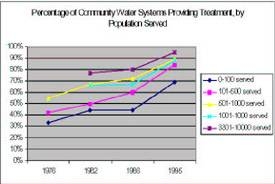
Since the passage of the original Safe Drinking Water Act, the number of water systems applying some type of treatment to their water has increased. According to several EPA surveys, from 1976 to 1995, the percentage of small and medium community water systems (systems serving people year-round) that treat their water has steadily increased. For example, in 1976 only 33 percent of systems serving fewer than 100 people provided treatment. By 1995, that number had risen to 69 percent.
Since their establishment in the early 1900s, most large urban systems have always provided some treatment, as they draw their water from surface sources (rivers, lakes, and reservoirs) which are more susceptible to pollution. Larger systems also have the customer base to provide the funds needed to install and improve treatment equipment. Because distribution systems have extended to serve a growing population (as people have moved from concentrated urban areas to more suburban areas), additional disinfection has been required to keep water safe until it is delivered to all customers.
Today, filtration and chlorination remain effective treatment techniques for protecting U.S. water supplies from harmful microbes, although additional advances in disinfection have been made over the years. In the 1970s and 1980s, improvements were made in membrane development for reverse osmosis filtration and other treatment techniques such as ozonation. Some treatment advancements have been driven by the discovery of chlorine-resistant pathogens in drinking water that can cause illnesses like hepatitis, gastroenteritis, Legionnaire’s Disease, and cryptosporidiosis. Other advancements resulted from the need to remove more and more chemicals found in sources of drinking water.
According to a 1995 EPA survey, approximately 64 percent of community ground water and surface water systems disinfect their water with chlorine. Almost all of the remaining surface water systems, and some of the remaining ground water systems, use another type of disinfectant, such as ozone or chloramine.
Many of the treatment techniques used today by drinking water plants include methods that have been used for hundreds and even thousands of years (see the diagram below). However, newer treatment techniques (e.g., reverse osmosis and granular activated carbon) are also being employed by some modern drinking water plants.
Recently, the Centers for Disease Control and Prevention and the National Academy of Engineering named water treatment as one of the most significant public health advancements of the 20th Century. Moreover, the number of treatment techniques, and combinations of techniques, developed is expected to increase with time as more complex contaminants are discovered and regulated. It is also expected that the number of systems employing these techniques will increase due to the recent creation of a multi-billion dollar state revolving loan fund that will help water systems, especially those serving small and disadvantaged communities, upgrade or install new treatment facilities.
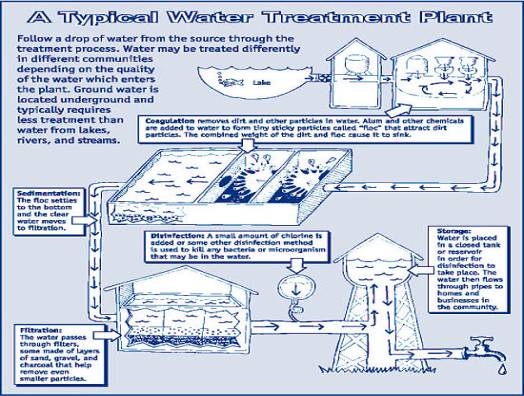

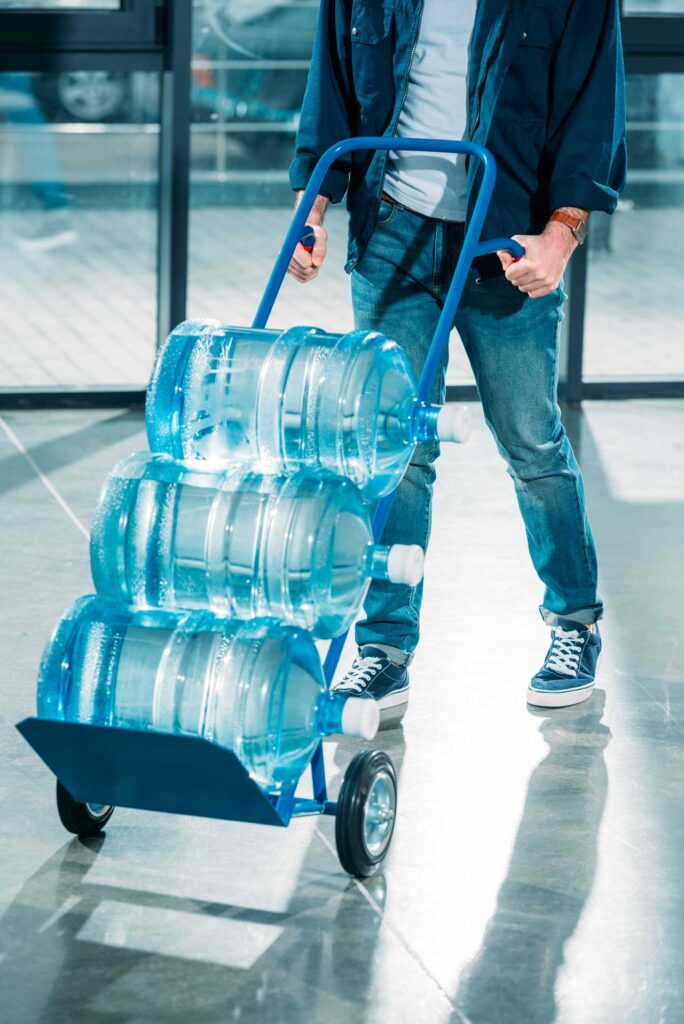
Dive into Tranquility
Who We Are
We're dedicated to ensuring you have access to the highest quality water with utmost convenience. Our commitment to excellence drives us to source water from pristine springs and subject it to rigorous quality control measures, guaranteeing premium quality with every drop. But we're not just about water – we're about service.
Convenient Delivery
Premium Quality
Exceptional Service
Refreshing Hydration
Clean Water Solutions
Ultimate destination for premium water delivery services. At Cooleri, we understand the importance of staying hydrated, which is why we've dedicated ourselves to providing pure, refreshing water straight to your doorstep. With our commitment to quality and customer satisfaction, you can trust AquaFlow to quench your thirst and elevate your hydration experience.
Pure Water Sourcing
We source our water from pristine springs and aquifers, ensuring the highest quality and purity.
Convenient Delivery
Enjoy hassle-free delivery options tailored to your schedule, making hydration effortless.
Purifier and Carbonator
Fresh Water Available

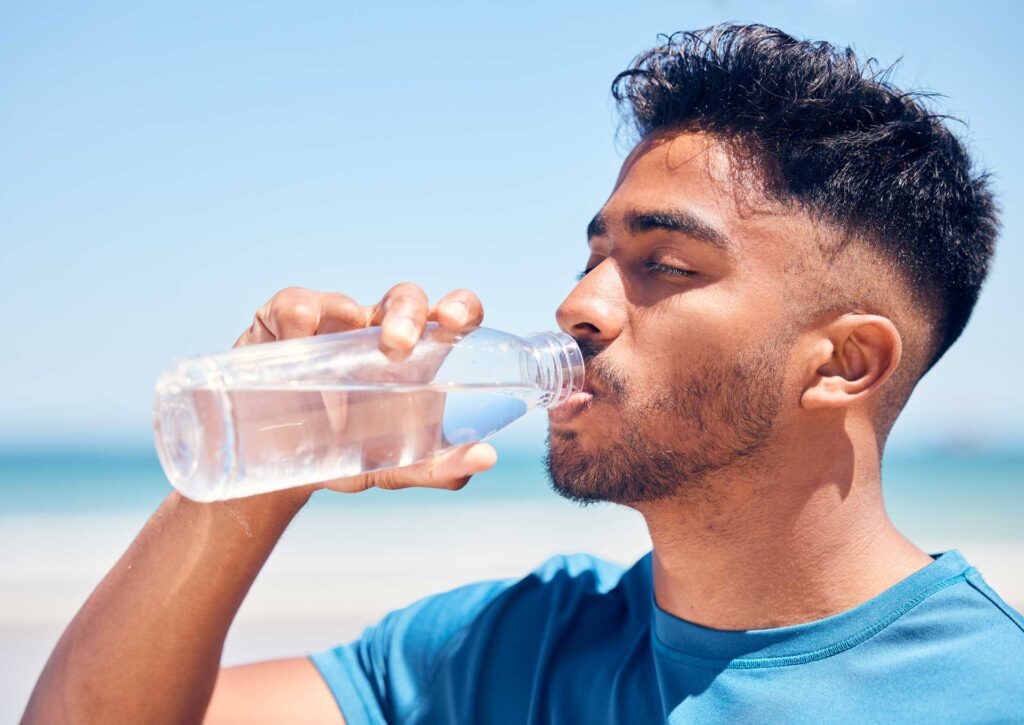
Our purifier systems ensure that every drop meets the highest standards of cleanliness, removing impurities and contaminants to deliver water that's as clean as nature intended. Additionally, our carbonator technology allows you to infuse your water.